Nepal PM: Balendra Shah Set to Lead After Landslide Election Victory
In a significant political development, Balendra Shah, commonly known as Balen, is set to become Nepal’s next Prime Minister following a landslide victory in the recent elections held on March 8, 2026. His party, the Rastriya Swatantra Party, secured at least 122 out of 165 direct seats, marking a decisive shift in the country’s political landscape.
The election results come in the wake of the Gen-Z protests, which had a profound impact on Nepal’s governance. These protests, ignited by a controversial ban on social media, led to significant unrest, resulting in the deaths of 70 individuals, including 19 protesters. The previous government resigned as a direct consequence of the public outcry, paving the way for this election.
Balendra Shah, who previously served as the mayor of Kathmandu, campaigned on a platform emphasizing good governance and accountability. His victory is seen as a response to the demands of the youth, who played a pivotal role in the protests that reshaped the political narrative in Nepal. Shah received 68,348 votes in his constituency of Jhapa-5, significantly outpacing his closest rival, KP Sharma Oli, who garnered only 18,724 votes.
In a statement following the election results, Shah expressed gratitude to his supporters, stating, “Congratulations to all of you, this is your victory.” His sentiment reflects the collective hope for change among the electorate, particularly the younger demographic that rallied for reform during the protests.
Ramesh Paudyal, a prominent figure in the Rastriya Swatantra Party, remarked, “It is the victory of hope and change,” highlighting the symbolic nature of Shah’s election as a mandate for a new direction in governance. This sentiment resonates with many who participated in the protests, which were characterized by calls for accountability and transparency from those in power.
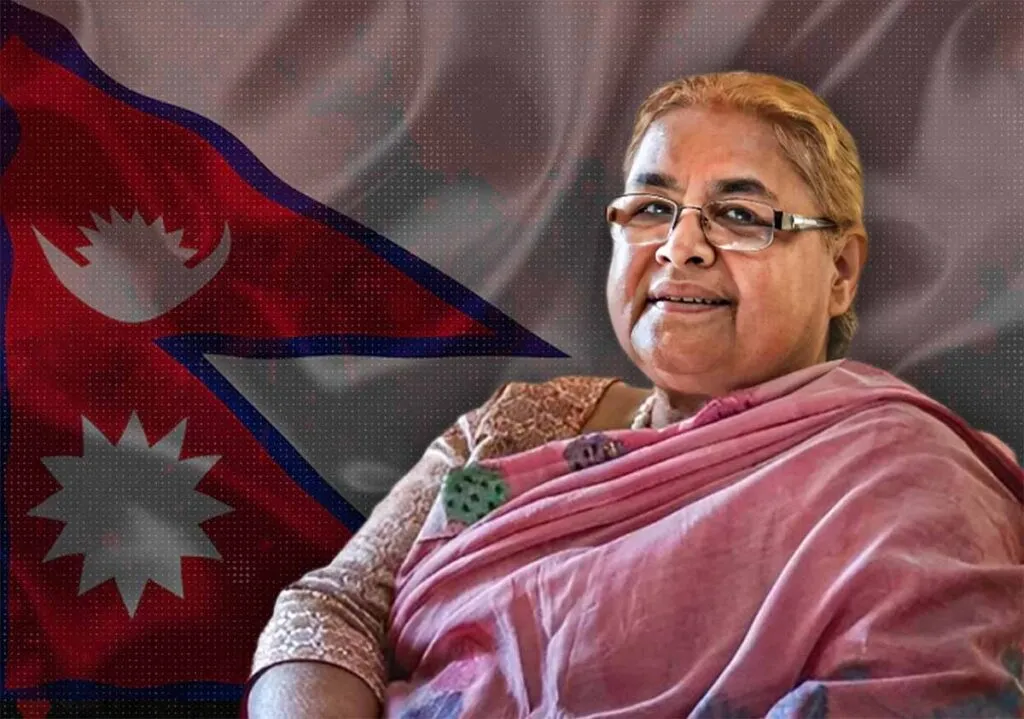
The political upheaval following the Gen-Z protests underscores a critical juncture in Nepal’s history. The resignation of the previous government was a direct outcome of the unrest, which not only challenged existing power structures but also mobilized a generation eager for reform. The 1,000-page report on the protests, received by Sushila Karki, the outgoing Prime Minister, is expected to provide further insights into the events that led to this significant political shift.
As Balendra Shah prepares to take office, the implications of his leadership will be closely monitored, particularly in terms of how he addresses the issues that ignited the protests. Bhawana Raut, another key figure in the movement, noted, “This sends a clear message to everyone who comes to power: you must be accountable.” The expectations are high as the new administration steps into a role defined by the demands for change and accountability.
Details remain unconfirmed regarding the specific policies Shah intends to implement, but the public’s appetite for reform is palpable. The upcoming months will be crucial as the new Prime Minister navigates the challenges ahead, aiming to fulfill the promises made during his campaign and respond to the aspirations of a generation that has made its voice heard.