Crude Oil Prices Surge Amid Ongoing Iran War
Crude oil prices have crossed $100 a barrel amid the ongoing Iran war, with Brent crude surging to around $119 per barrel, marking the highest level since July 2022. This spike in prices is largely attributed to the effective closure of the Strait of Hormuz, a critical chokepoint for global oil transportation.
The Strait of Hormuz handles nearly 20 million barrels of oil per day, representing roughly one-fifth of global oil production. In 2025, exports moving through the strait averaged 13.4 million barrels per day. The current geopolitical tensions have led to significant disruptions, with Iraq initiating its own production shut-ins last week due to the effective closure of this vital waterway.
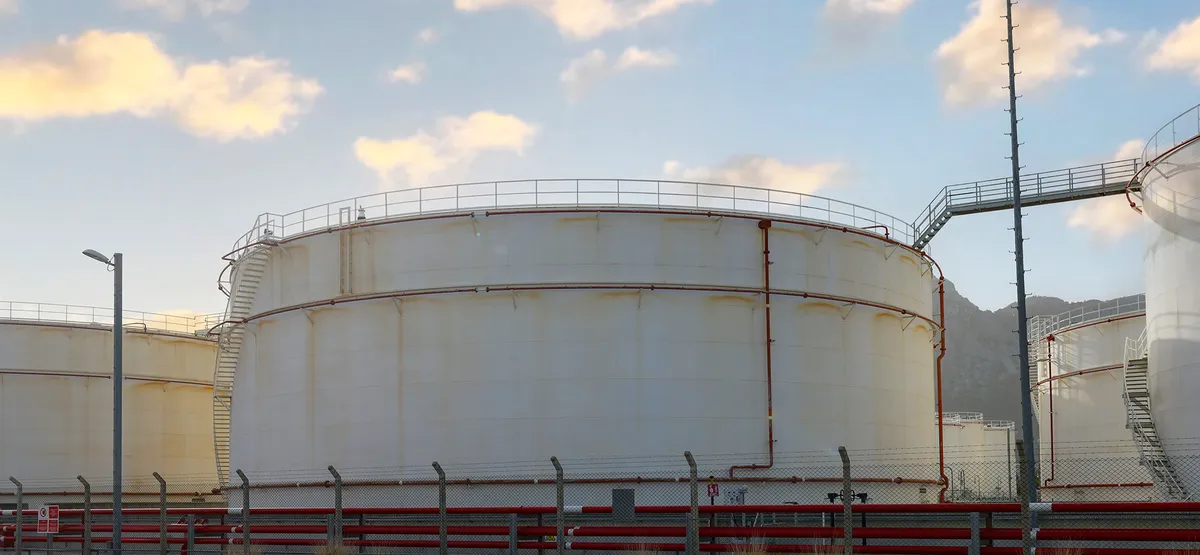
As a result of the ongoing conflict, storage facilities in the region are rapidly reaching capacity, raising concerns about potential shortages. “Right now, the biggest fear is still disruption to flows through Hormuz,” noted Haris Khurshid, highlighting the critical nature of this situation for global oil markets.
Historically, crude oil prices have fluctuated significantly due to geopolitical tensions. For instance, Brent crude hit a record high of $147.50 per barrel on July 11, 2008, during a period of heightened instability. Similarly, crude futures last climbed above $100 in February 2022, shortly after Russia’s invasion of Ukraine, illustrating how geopolitical events can dramatically impact oil prices.
Market analysts are closely monitoring the situation, with some predicting that the psychological level of $100 oil may just be a short-term price target on its way to higher levels as the conflict drags on. Andy Lipow remarked, “The psychological level of $100 oil may just be a short-term price target on its way to higher levels as the conflict drags on.”
In addition to the immediate price impacts, the current situation could have broader implications for stock markets. Analysts from ICICI Securities have suggested that in such an environment, the Nifty 50 could potentially drop by approximately 10% from its pre-conflict level of 25,178, with the P/E ratio potentially falling to around 18x.
The last instance of negative correlation between crude prices and the Nifty 50 occurred in 2022 when oil prices spiked beyond $100 per barrel. As the situation evolves, observers are left to ponder the potential long-term effects on both oil prices and global markets.
Details remain unconfirmed regarding the full extent of the conflict’s impact on oil supply and prices, but the current trajectory suggests that the energy market will continue to face significant volatility in the coming weeks and months.