Transition of Power in Iran
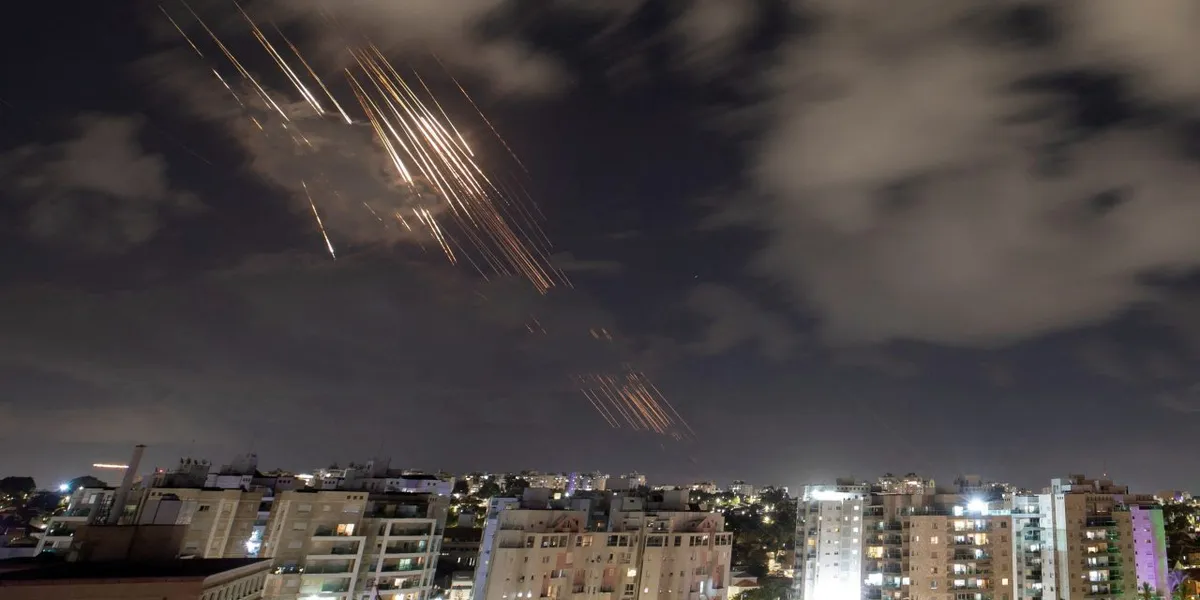
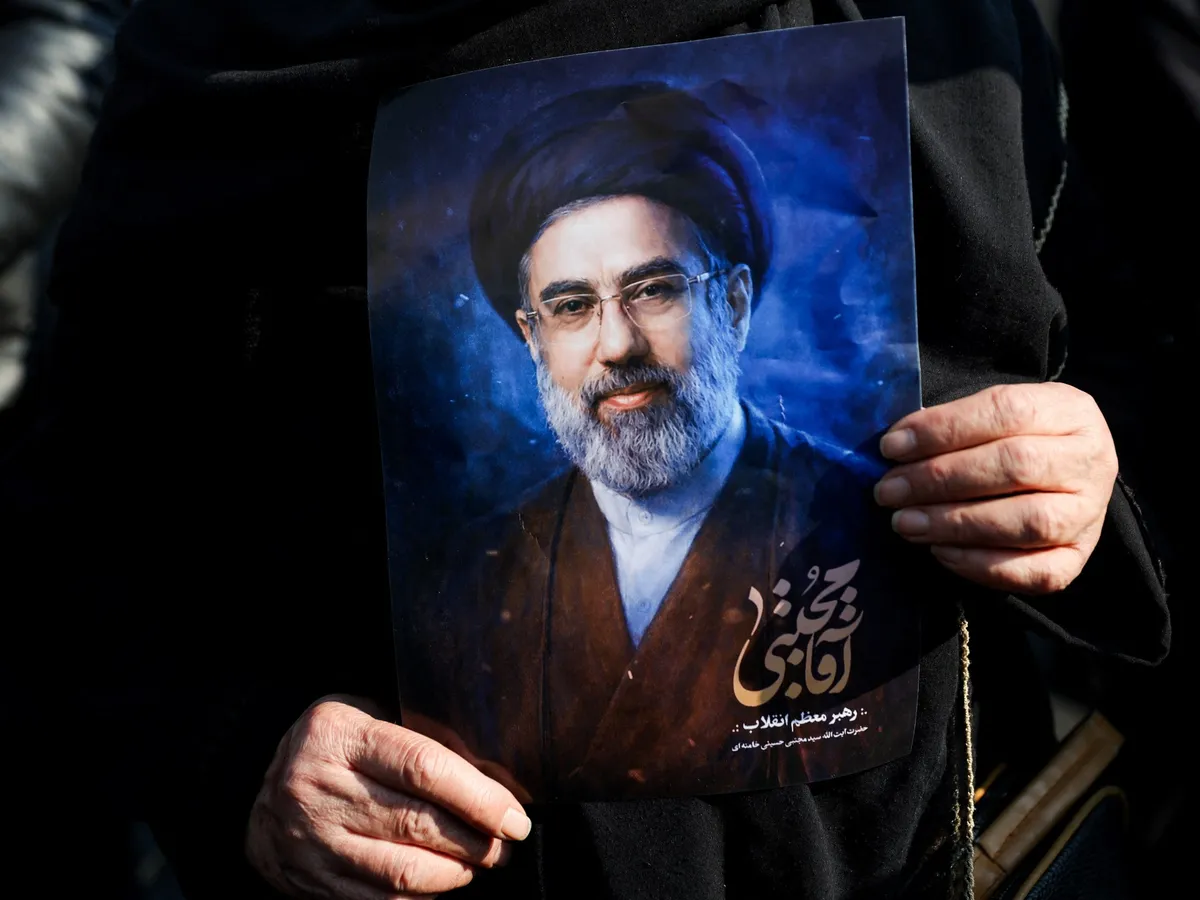
The political landscape in Iran has undergone a significant transformation with the appointment of Mojtaba Khamenei as the new Supreme Leader on March 9, 2026. This change follows the death of his father, the former Supreme Leader Ali Khamenei, who passed away due to US-Israeli strikes. Prior to this development, expectations were centered around a potential power struggle within the Iranian political establishment.
Mojtaba Khamenei, who has never held a formal position in government, received immediate backing from Iran’s political and security establishment, signaling a unified front during a time of crisis. His ascension to power marks a decisive moment in Iran’s leadership, as he steps into a role that has significant implications for the country’s future.
The immediate effects of Khamenei’s appointment were felt both domestically and internationally. Mass rallies were held across Iran to show support for the new Supreme Leader, reflecting a strong sentiment among the populace. Notably, Oman’s Sultan sent a congratulatory message, while Iraqi Prime Minister Mohammed Shia al-Sudani expressed confidence in Khamenei’s leadership, stating, “We express our confidence in the ability of the new leadership in the Islamic Republic of Iran to manage this sensitive stage.”
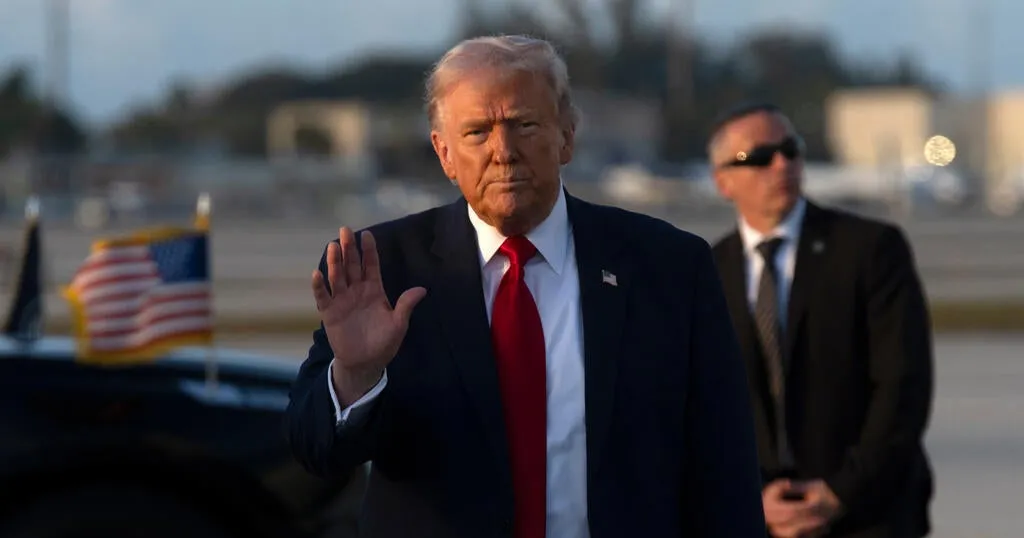
Conversely, the appointment was met with criticism from international figures. US President Donald Trump labeled the decision a mistake, expressing skepticism about its longevity. Israel’s Foreign Ministry condemned Khamenei, branding him a ‘tyrant’ and issuing threats, highlighting the ongoing tensions between Iran and Israel.
International Perspectives
In contrast, Russian President Vladimir Putin pledged unwavering support to Iran following Khamenei’s appointment, emphasizing the need for courage and dedication in facing armed aggression. Putin remarked, “At a time when Iran is confronting armed aggression, your tenure in this high position will undoubtedly require great courage and dedication.” This statement underscores the geopolitical ramifications of Khamenei’s leadership.
Additionally, Yemen’s Houthis congratulated Khamenei, further illustrating the regional dynamics at play. The support from various factions indicates a potential consolidation of power within Iran, despite the challenges that lie ahead.
As the new Supreme Leader, Mojtaba Khamenei inherits a complex legacy and a nation grappling with internal and external pressures. His leadership will be closely monitored as Iran navigates its path forward in a turbulent political environment.