Kannada Comedy Takes Center Stage
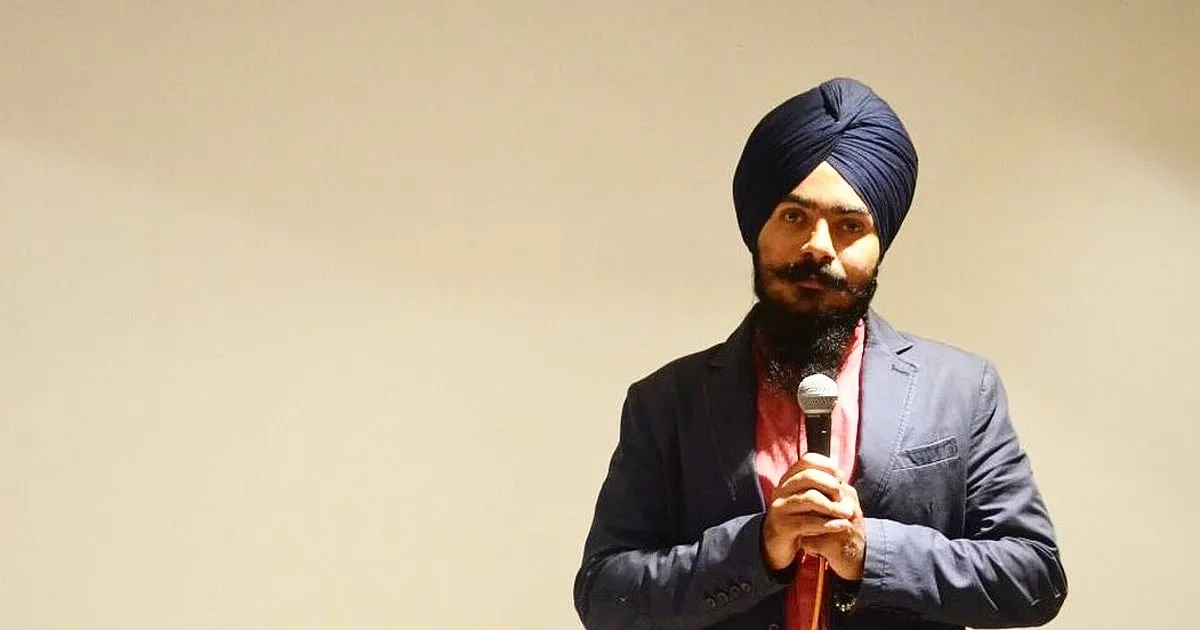
“I thought about it in two frames only: how I look and how I want to be perceived,” said Harman Preet Singh, a rising star in the world of Kannada comedy. His performances, which blend Kannada, Hindi, and English, have resonated with audiences, particularly in Bengaluru, where he co-founded the Underground Comedy Club. Singh’s recent set, titled ‘Heart Alli Kaveri,’ has gained traction on YouTube, showcasing his ability to connect with diverse audiences.
Singh’s approach to comedy is not just about humor; it reflects a deeper engagement with language and identity. In his performances, he incorporates approximately 60% Kannada, while 40% of his material is in Kannada gothilla, a dialect that resonates with many in the region. His bit, “Should North Indians Learn Kannada,” has amassed an impressive 3.5 million views on Instagram, highlighting the growing interest in regional languages and their representation in mainstream media.
However, the journey has not been without challenges. Singh revealed, “I got a little hate from both sides, but I realised that this is just part and parcel of being on the internet.” This statement underscores the complexities artists face when navigating cultural sensitivities, especially in a linguistically diverse country like India. Singh’s experience reflects a broader trend where artists are increasingly using their platforms to address and challenge societal norms.
The historical context of Kannada adaptations of literary works adds another layer to Singh’s narrative. Kannada adaptations of Shakespeare’s plays date back to the 19th century, with DV Gundappa’s translation of Macbeth in 1936 being the first faithful translation of a Shakespearean play into Kannada. This rich literary tradition continues to influence contemporary artists, including those in the comedy scene.
Roopa Pai, a noted author and advocate for Kannada literature, remarked, “Forsooth, the versatile Bard still lives and thrives in Kasturi Kannada.” This sentiment reflects the enduring legacy of Shakespeare’s works, which have been adapted into various forms, including Kannada cinema. Notably, adaptations like The Taming of the Shrew have made Shakespeare accessible to Kannada-speaking audiences, bridging cultural gaps through art.
As Kannada comedy continues to evolve, it is essential to recognize the contributions of artists like Singh who are pushing boundaries and redefining the landscape. His performances not only entertain but also provoke thought about language, identity, and the role of comedy in society.
Looking ahead, the Kannada comedy scene is expected to grow, with more artists embracing the language and its nuances. Singh’s journey serves as an inspiration for aspiring comedians, highlighting the importance of authenticity and cultural engagement in their work. The intersection of comedy and language will likely continue to be a focal point in the evolving narrative of Kannada arts.