US-Israeli War on Iran Intensifies
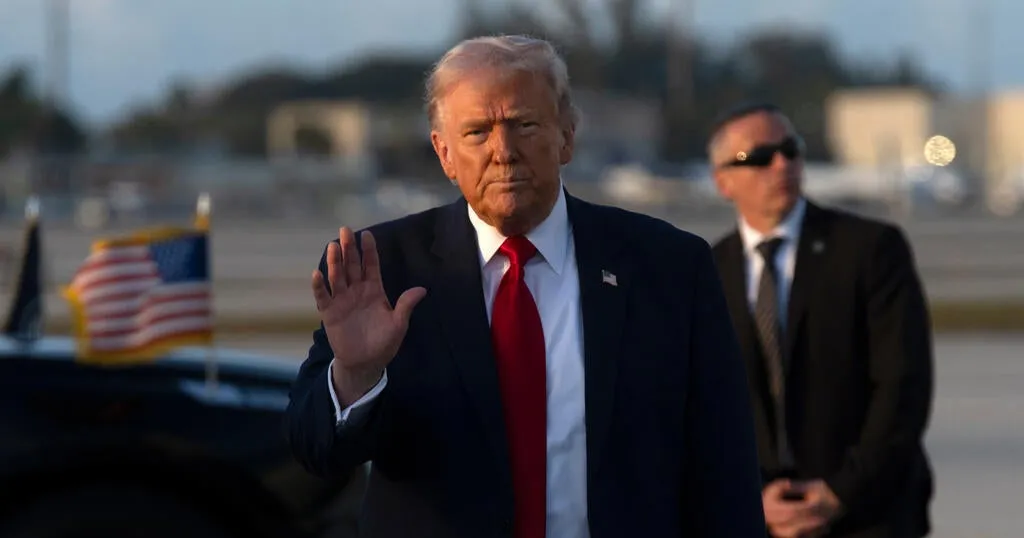
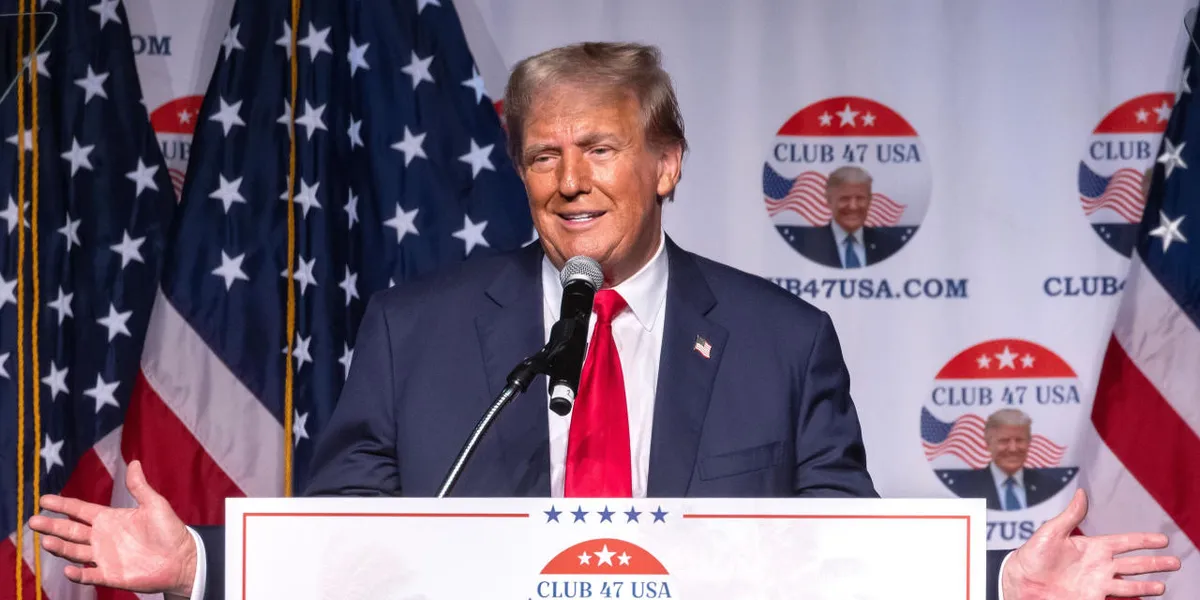
The US-Israeli war on Iran, which began on February 28, 2026, has escalated significantly, with Donald Trump stating that the conflict will be over “very soon.” This assertion comes amidst reports of extensive military actions and rising casualties in Iran.
Since the onset of the conflict, US and Israeli forces have struck approximately 5,000 targets across Iran. The Iranian government has reported 1,200 deaths and 10,000 injuries as a direct result of these military operations.
Trump characterized the military engagement as a “short-term excursion,” emphasizing the need to eliminate perceived threats from Iran. He expressed disappointment over the appointment of Mojtaba Khamenei as Iran’s new supreme leader, indicating concerns about the direction of Iranian leadership.
In a recent statement, Trump warned of a larger attack on Iran should it interfere with oil supplies in the Strait of Hormuz, asserting, “I will not allow a terrorist regime to hold the world hostage and attempt to stop the globe’s oil supply.” This reflects the high stakes involved, particularly regarding global oil markets.
Current Brent crude oil prices have surged to $119 per barrel during the conflict, highlighting the economic implications of the ongoing war. Trump claimed that Iran’s missile capability has been severely diminished, stating it is down to about 10 percent or less.
Additionally, Trump mentioned a “positive phone call” with Russian President Vladimir Putin, discussing the wars in Ukraine and Iran, which may indicate shifting alliances and strategies in the region.
As the conflict continues, the situation remains fluid, with further developments expected. Details remain unconfirmed regarding the long-term impact of these military actions on regional stability and international relations.