Prior Expectations
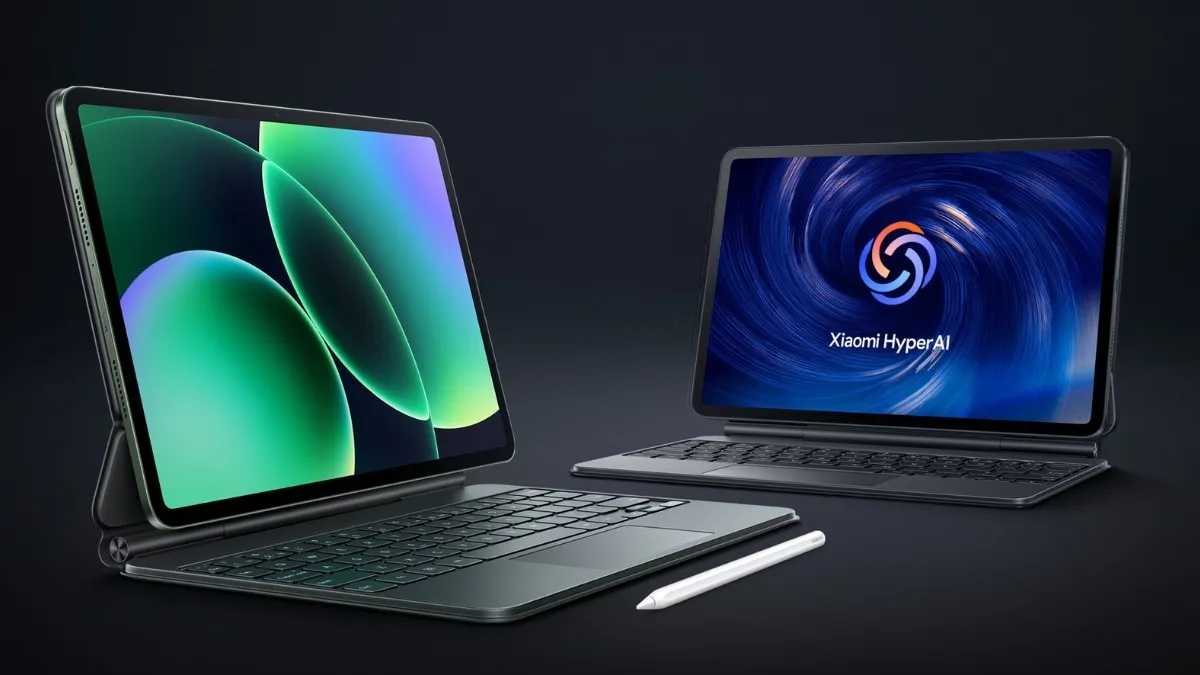
Before the launch of the Xiaomi Pad 8 on March 10, 2026, the tablet market was dominated by a few key players, with consumers anticipating a new entrant that could offer competitive specifications and pricing. The expectations were high, particularly for devices that could seamlessly integrate performance with user-friendly features.
Decisive Changes
The launch of the Xiaomi Pad 8 marked a significant shift in the landscape. This tablet is powered by the Snapdragon 8s Gen 4 processor, which is expected to enhance performance significantly compared to its predecessors. It features up to 12 GB LPDDR5T RAM and 256 GB UFS 4.1 storage, catering to both casual users and professionals alike.
Immediate Effects
With a starting price of ₹33,999 for the 8 GB/128 GB variant, the Xiaomi Pad 8 is positioned to attract a wide range of consumers. The tablet also offers four years of Android OS updates and six years of security updates, which is a notable commitment in an industry where software longevity is often overlooked. The device is set to go on sale starting March 17, 2026, creating anticipation among potential buyers.
Expert Perspectives
Industry experts have noted that the Xiaomi Pad 8’s specifications, including its 9,200 mAh battery with 45W turbo charging, 11-inch 3.2K display with a 144Hz refresh rate, and support for Dolby Vision and Dolby Atmos, position it as a strong competitor in the tablet market. The inclusion of stylus support with the Focus Pen Pro further enhances its appeal for creative professionals.
Overall, the Xiaomi Pad 8 represents a significant advancement in tablet technology, offering features that were previously only available in higher-end devices. As the tablet market evolves, the introduction of such devices may redefine consumer expectations and set new benchmarks for performance and value.