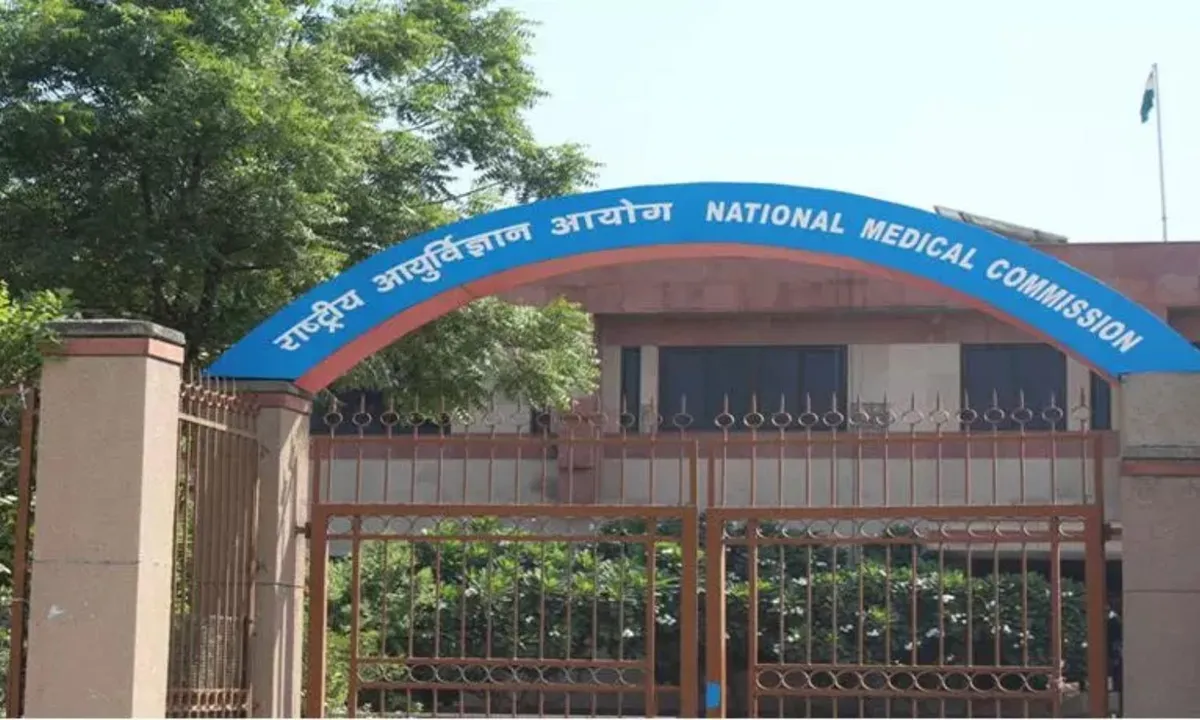
NMC’s New Regulations on Student Mental Health
On March 10, 2026, the National Medical Commission (NMC) in India took significant steps to address the pressing issue of student mental health within medical colleges. This initiative comes in response to increasing concerns about student suicides and the overall mental well-being of medical students, particularly those aged 15 to 29. The Supreme Court had previously established a National Task Force to examine these mental health issues and recommend preventive strategies, highlighting the urgency of the situation.
In a landmark decision, the Supreme Court directed the NMC to implement immediate measures to tackle mental health concerns among students. Following this directive, the NMC issued mandatory advisories requiring medical colleges to report any incidents of student suicides and to enhance mental health support systems. This includes the necessity for colleges to maintain detailed records of student suicides or unnatural deaths, ensuring that these tragic events are documented and addressed appropriately.
As part of these new regulations, medical colleges are now required to submit monthly Action Taken Reports (ATR) to the NMC. This accountability measure aims to ensure that institutions are actively working to improve mental health resources and are taking appropriate actions in response to any incidents that occur. The NMC’s commitment to mental health support reflects a growing recognition of the challenges faced by medical students in a high-pressure academic environment.
Clarifications for Foreign Medical Students
In addition to addressing mental health issues, the NMC has clarified its stance on the education of foreign medical students. The commission stated that while online medical studies are permissible, they must be complemented with physical onsite training. This requirement aims to ensure that foreign students receive a comprehensive education that meets the standards set by the NMC, thereby enhancing the quality of medical training in India.
NMC’s Financial Initiatives
On the financial front, the NMC has made headlines with the launch of its Clean Godavari Bonds, which are valued at Rs 200 crore. These bonds were listed on the National Stock Exchange and have garnered significant interest from institutional investors, being oversubscribed by 3.95 times. This oversubscription indicates a strong confidence in municipal bonds as a viable asset class, as noted by Ashishkumar Chauhan, who commented on the growing trust in such financial instruments.
The funds raised through these bonds are earmarked for infrastructure projects related to the upcoming Simhastha Kumbh Mela in 2027, a major religious event that attracts millions of visitors. The successful fundraising effort is expected to take approximately four to five months to complete, with plans to utilize the capital for enhancing facilities and services in Nashik, where the event will take place.
Implications of Recent Developments
The recent actions taken by the NMC and the Supreme Court are significant for multiple stakeholders. For medical colleges, the new regulations impose a framework that prioritizes student welfare and mental health, compelling institutions to take proactive measures. For students, these developments signal a shift towards a more supportive educational environment, where mental health is recognized as a critical component of their overall well-being.
Moreover, the financial initiatives undertaken by the NMC not only aim to improve infrastructure but also reflect a broader strategy to enhance the credibility and attractiveness of municipal bonds in India. As noted by Maharashtra’s Deputy Chief Minister Devendra Fadnavis, there is optimism that other government institutions will follow suit in listing on the NSE, potentially leading to a more robust municipal bond market.