Recent Developments
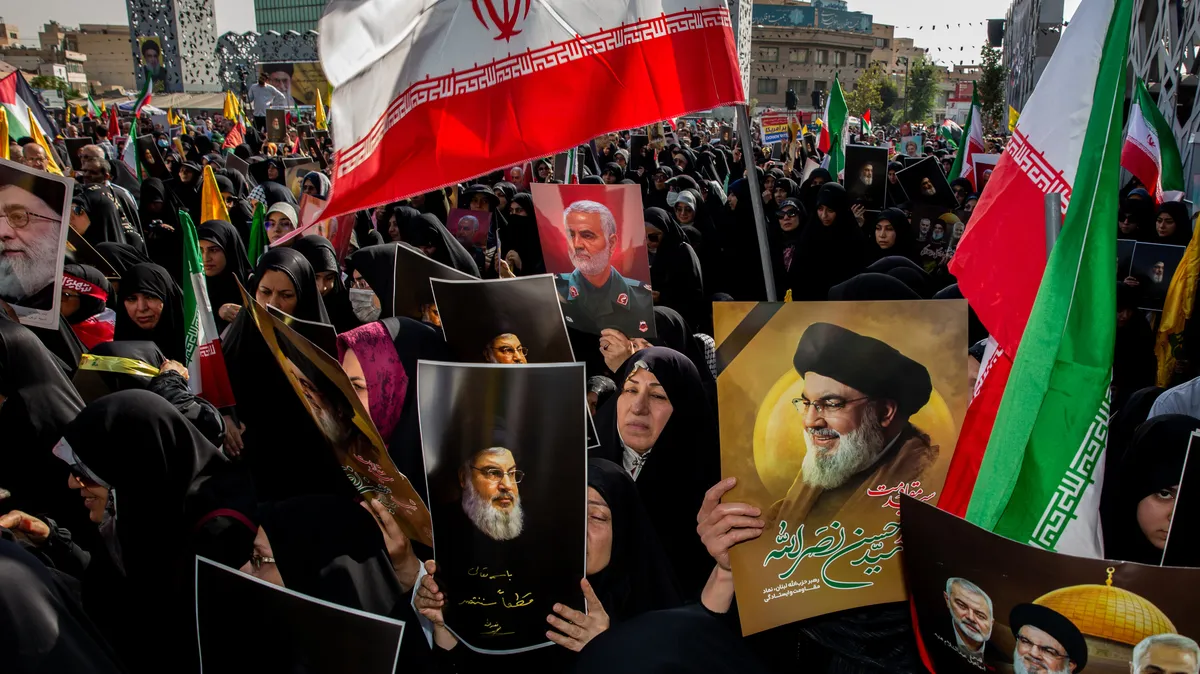
In a significant development regarding nuclear capabilities, Iran’s Isfahan nuclear site has reportedly been struck, as confirmed by the United Nations. This incident comes amidst heightened tensions in the region, particularly concerning nuclear proliferation.
The damage to the Isfahan site appears to be minor, according to Rafael Mariano Grossi, who noted, “Since the beginning of this campaign, we’ve seen some impacts in Natanz — a couple — and one in Isfahan. Not a very major one, I should say.” This assessment suggests that the operational capacity of the site may not be severely compromised.
At the Isfahan nuclear facility, more than 200 kilograms of enriched uranium were stored, with the uranium enriched up to 60% purity. Grossi indicated that the widespread assumption is that the material is still there, raising concerns about its potential use in nuclear weapons development, as weapons-grade uranium levels are typically around 90% purity.
The implications of this strike extend beyond Iran, particularly affecting North Korea’s nuclear posture. North Korea’s relationship with Iran has historically been characterized by cooperation on military technology, including the sale of Scud missiles during the Iran-Iraq War. This partnership has been reinforced by a shared struggle against perceived US hegemony.
As tensions rise, North Korea’s nuclear weapons program is increasingly viewed as a survival strategy for the Kim regime. Analysts suggest that the Iran crisis will reinforce the belief that nuclear arms are the ultimate guarantor of regime survival, further hardening North Korea’s nuclear stance.
Despite the lack of deep economic or cultural foundations between North Korea and Iran, their military collaboration remains significant. North Korea even opened a Shia mosque in Pyongyang for Iranian diplomats, symbolizing their alliance.
The US-South Korea alliance, treaty-bound to deter North Korean threats, may face new challenges as the situation evolves. The interconnectedness of these nuclear issues highlights the complexity of regional security dynamics.
As of now, the current state of the Isfahan site and the broader implications for nuclear proliferation remain under scrutiny. Details remain unconfirmed regarding the full extent of the damage and the future of Iran’s nuclear ambitions.