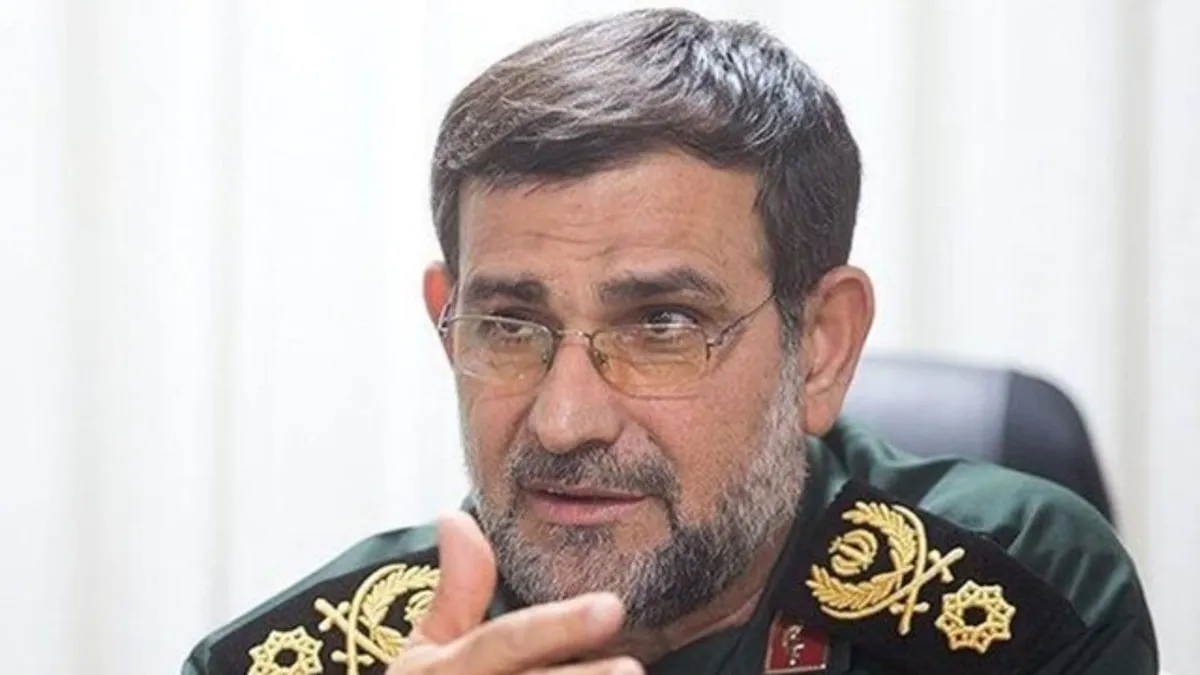
Before the recent developments, Alireza Tangsiri was a prominent figure in Iran’s naval strategy, leading the Islamic Revolutionary Guard Corps’ Navy since August 2018. His tenure was marked by aggressive maritime tactics, including the closure of the vital Strait of Hormuz, through which one-fifth of global oil and gas trade passes. Tangsiri had been known for his threats against U.S. facilities in the region, asserting that Iranian interests would be defended with force.
However, on March 26, 2026, a decisive moment occurred when Tangsiri was killed in an Israeli strike in Bandar Abbas at 3 a.m. local time. This attack represents a significant escalation in the ongoing conflict across West Asia, highlighting the increasing tensions between Iran and Israel.
The immediate effects of Tangsiri’s death are profound. He was responsible for overseeing a major buildup of the IRGC Navy and directed attacks on oil tankers and commercial vessels using drones and maritime mines. His absence could create a power vacuum within the IRGC Navy, potentially altering Iran’s naval operations and strategies in the Gulf.
Israeli officials have noted that Tangsiri was ‘responsible for the closure’ of the Strait, indicating that his death may facilitate a more favorable environment for maritime operations in the region. Israeli Prime Minister Benjamin Netanyahu stated, “We continue to strike the targets of the Iranian terror regime with force,” reflecting the ongoing military objectives against Iranian influence.
Furthermore, Israel Katz, an Israeli official, emphasized that this development is significant for U.S. partners, as it may help to reopen the Strait of Hormuz. Tangsiri’s aggressive stance had long posed a challenge to U.S. interests in the region, and his removal could shift the balance of power.
Despite these developments, uncertainties remain. The exact circumstances of Tangsiri’s death have not been independently confirmed by Iran, and the broader impact of his killing on the ongoing conflict remains unclear. Observers are watching closely to see how Iran will respond to this significant loss.
In the wake of Tangsiri’s death, the IRGC may need to reassess its strategies and operations in the Gulf. His previous threats against U.S. facilities, such as, “Our list of targets is updated. Oil facilities associated with America are now on par with American bases and will come under fire with full force,” underscore the potential for retaliation.
As the situation evolves, the international community will be closely monitoring the implications of this event for regional stability and security. Tangsiri’s killing not only alters the dynamics within the IRGC but also raises questions about the future of U.S.-Iran relations and the security of maritime trade routes.
Details remain unconfirmed.