Political Landscape Before the Uprising
Prior to the upheaval in 2024, Bangladesh was under the leadership of Sheikh Hasina and the Awami League, which had maintained a firm grip on power for over a decade. The political environment was marked by allegations of authoritarianism, with many citizens feeling disenfranchised. The Parliament was seen as largely dysfunctional, failing to address the pressing issues facing the nation, including an ongoing energy crisis.
Decisive Changes Post-Uprising
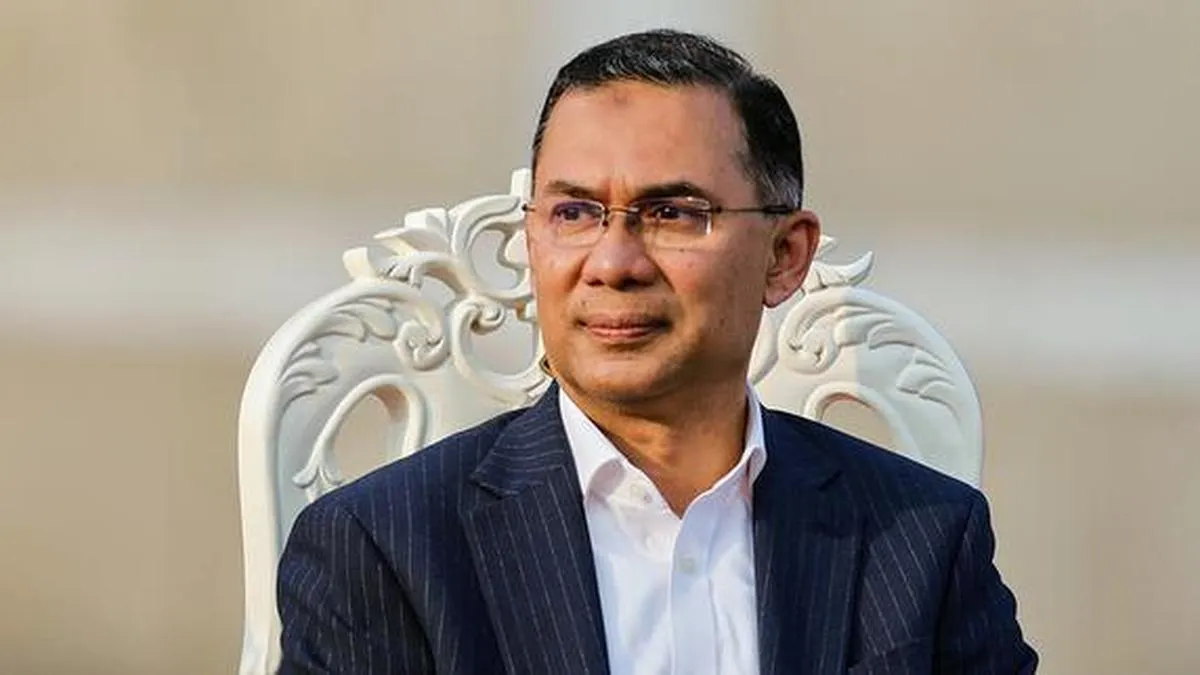
The deadly uprising in 2024, which resulted in approximately 1,400 fatalities and over 20,000 injuries, marked a turning point in the country’s governance. Following this turmoil, Bangladesh’s Parliament convened for the first time on March 12, 2026, with a new political landscape emerging. The Bangladesh Nationalist Party (BNP), led by Tarique Rahman, secured 212 seats in the 350-seat Parliament, a significant shift from the previous political order.
Immediate Effects on Governance
The BNP’s victory has led to a reconfiguration of power dynamics in Bangladesh. With the BNP winning 209 seats and the Jamaat-e-Islami-led alliance holding 76 seats, the opposition has gained a stronger foothold. Tarique Rahman emphasized the importance of restoring parliamentary functions, stating, “After more than a decade and a half of fascist and subservient rule, the activities of Parliament are beginning today with representatives elected by the people.”
Expert Perspectives on the Shift
Experts suggest that the recent changes in governance could lead to a more democratic and participatory political environment. Rahman has expressed the BNP’s commitment to making Parliament the center of national debate and problem-solving, indicating a potential shift towards more inclusive governance. He remarked, “We will make Parliament the centre of all debates and arguments aimed at resolving the country’s problems.”
Broader Implications for Bangladesh
This political transformation comes amid ongoing challenges, including an energy crisis that has forced the government to close universities and implement fuel rationing. The operational India-Bangladesh Friendship Pipeline, which has been supplying diesel since 2017, remains a critical component of the energy trade between the two nations. However, the political stability necessary to manage such resources effectively is now in question.
Looking Ahead
As Bangladesh navigates this new political terrain, the focus will be on how the BNP-led government addresses the pressing issues of governance and energy supply. The aftermath of the 2024 uprising has set the stage for a potentially transformative period in the nation’s history, but the path forward remains fraught with challenges.