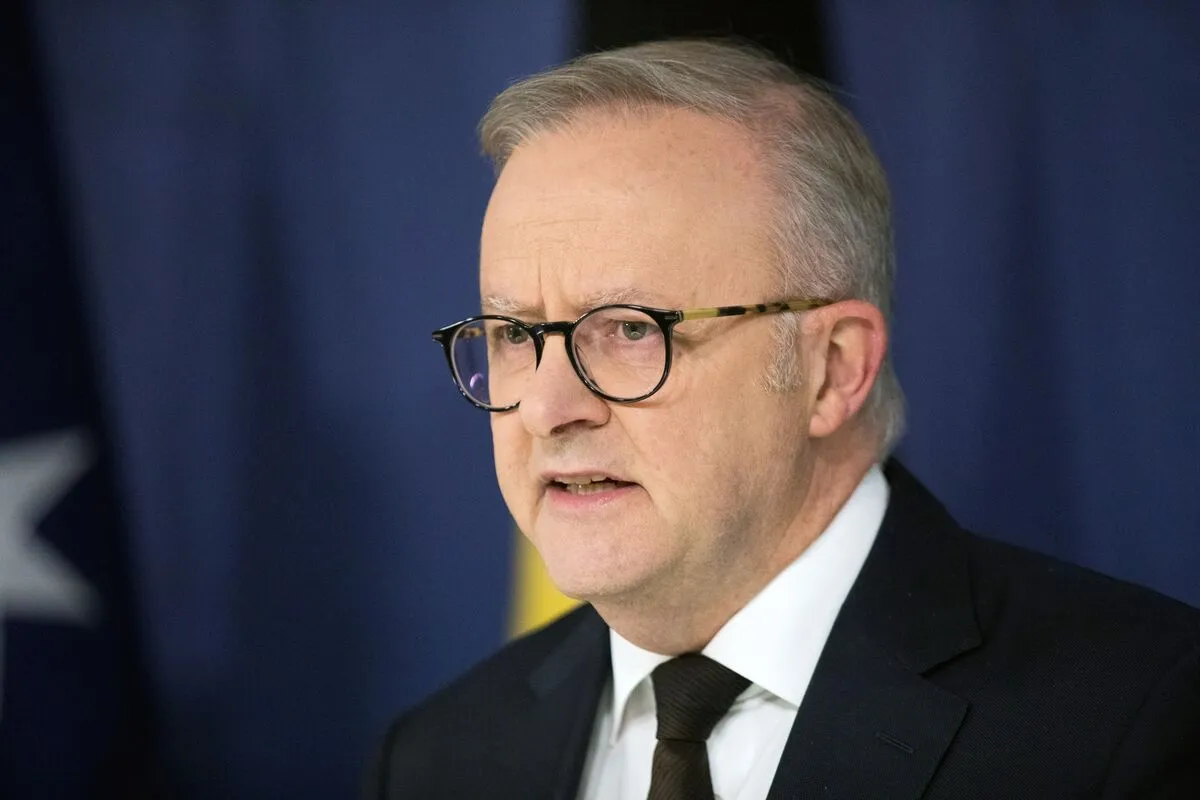
“Engaging with critical regional partners such as Brunei Darussalam and Malaysia will help ensure Australia’s energy supply remains secure during times of uncertainty,” stated Australian Prime Minister Anthony Albanese ahead of his upcoming visit to Brunei and Malaysia from April 14 to 17, 2026.
Albanese’s trip comes as Australia faces localised shortages and soaring prices, exacerbated by the recent closure of the Strait of Hormuz. The Prime Minister’s discussions will focus on securing vital fuel and fertiliser supplies, particularly in light of disruptions caused by ongoing conflicts in the Middle East.
Brunei plays a significant role in Australia’s energy landscape, supplying 9% of its diesel imports and 11% of its fertiliser-grade urea imports. Meanwhile, Malaysia stands as Australia’s third-largest source of refined fuel, contributing 10% of its fertiliser-grade urea imports.
Australia relies heavily on imports for its energy needs, with approximately 80% of its fuel coming from overseas sources. This dependency highlights the importance of strengthening ties with regional partners like Brunei and Malaysia.
During the visit, Albanese is expected to meet with Brunei’s ruler, Sultan Hassanal Bolkiah, and Malaysian Prime Minister Anwar Ibrahim. These meetings aim to bolster cooperation in energy supply security, a critical issue for both nations.
Additionally, Australia supplies 95% of Malaysia’s imported natural gas, further intertwining the energy needs of the two countries. Albanese’s engagement with these partners underscores a strategic approach to ensuring that Australia can navigate the uncertainties of global energy markets.
As the geopolitical landscape continues to shift, the outcomes of this visit could have lasting implications for Australia’s energy strategy and its relationships within the region. Albanese’s commitment to dialogue and cooperation reflects a proactive stance in addressing these challenges.
Looking ahead, the discussions in Brunei and Malaysia are expected to pave the way for enhanced collaboration on energy security and trade, crucial for both Australia and its regional partners.