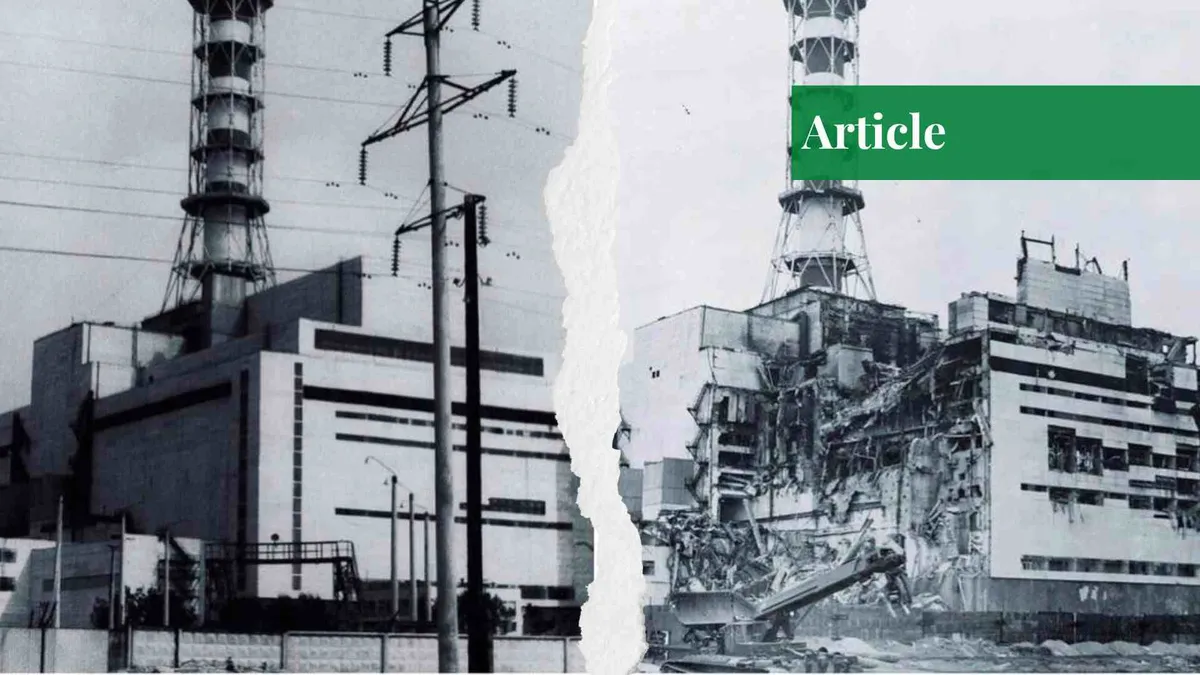
The Impact of Chernobyl: A Survivor’s Story
The Chernobyl disaster, which occurred in 1986, continues to cast a long shadow over the lives of those affected, including Oksana Masters. Born with several birth defects linked to her birth mother’s proximity to the site of the nuclear catastrophe, Masters’ life story exemplifies the far-reaching consequences of this tragic event.
Masters was born with six toes, webbed hands, and missing several organs, including one kidney. These birth defects are attributed to the radiation exposure that permeated the region following the explosion. “They linked it to Chernobyl because I was really not that far from there, and the fact that radiation levels continued to rise years after the explosion,” Masters explained, shedding light on the personal impact of the disaster.
Her early life was marked by significant challenges. By the age of 10, she became a double amputee after undergoing surgery to remove her impaired left leg. Despite these hardships, Masters found a way to channel her experiences into athletic achievement. In 2012, she won her first Paralympic medal, a bronze, in adaptive rowing, paving the way for her future successes.
Masters’ athletic career reached new heights when she won gold medals in cross-country skiing at the 2018 Winter Paralympics in PyeongChang, South Korea. Her journey from a child affected by a nuclear disaster to a celebrated athlete serves as an inspiring testament to resilience and determination.
The Chernobyl disaster is often compared to other nuclear incidents, such as the Fukushima disaster, which occurred on March 11, 2011, following a 9.0 magnitude earthquake and tsunami. The Fukushima Daiichi nuclear power plant suffered severe damage, leading to three reactor meltdowns and explosions. The total cost of the Fukushima accident reached an estimated $119 billion, highlighting the financial and human toll of nuclear disasters.
As Japan grapples with the aftermath of Fukushima, experts emphasize the importance of learning from past mistakes. Tatsujiro Suzuki, a prominent figure in the energy sector, stated, “Japan has to learn from the lessons of Fukushima and gradually reduce its dependency on this energy.” This sentiment echoes the broader need for accountability and reform in the nuclear industry.
Oksana Masters’ story is a poignant reminder of the human cost associated with nuclear disasters. “I don’t want to say I was a product of it [the Chernobyl disaster] but, out of something horrific, it’s about how you can see the potential and possibilities – like becoming an athlete – instead of dwelling on it,” she reflected, illustrating her perspective on overcoming adversity.
As the world continues to confront the legacy of Chernobyl and Fukushima, the stories of survivors like Masters remain crucial. They not only highlight the ongoing impact of these disasters but also inspire hope and resilience in the face of overwhelming challenges. Details remain unconfirmed regarding the long-term effects of radiation exposure, but the narratives of those affected will undoubtedly shape future discussions on nuclear safety and policy.