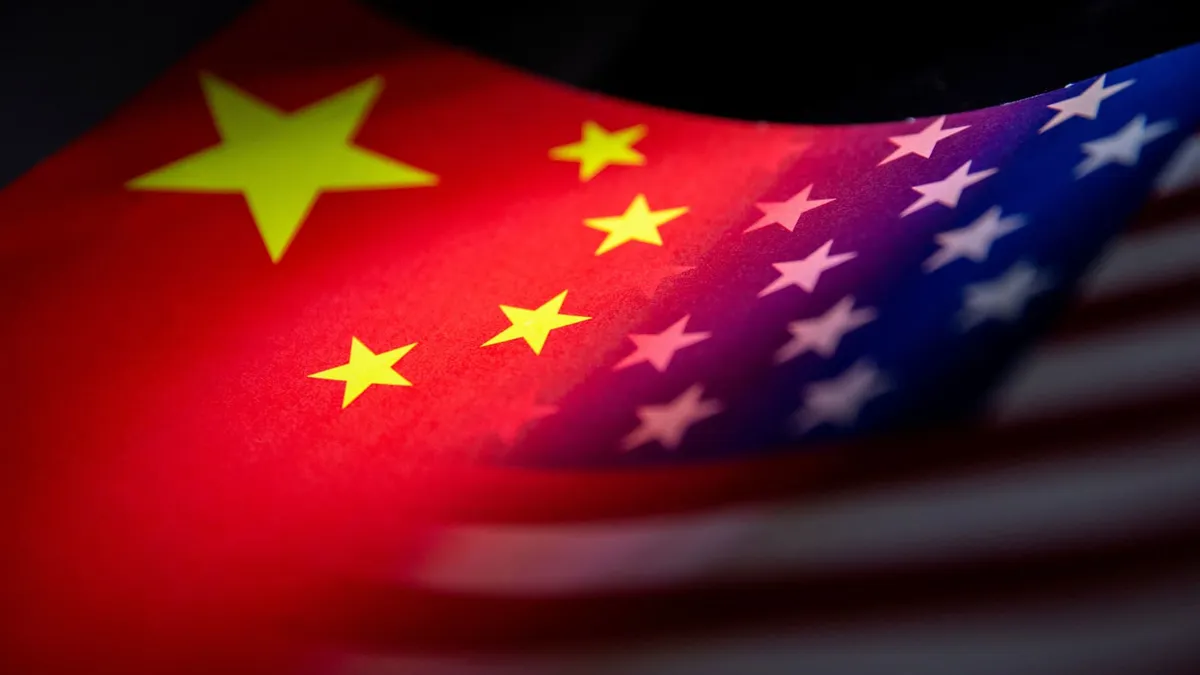
In a significant development, US intelligence has reported that China is preparing to deliver new air defense systems to Iran. The systems in question are shoulder-fired anti-air missile systems known as MANPADs. This announcement comes amidst rising tensions in the region and has drawn immediate attention from various stakeholders.
According to sources, the potential transfer of these defense systems has raised alarms, particularly in Washington. Former President Donald Trump stated, “If China does that, China will have big problems, OK?” This statement underscores the seriousness with which the US views China’s military support to Iran.
China, however, has denied any plans to supply weapons to Iran. A spokesperson for the Chinese Embassy in Washington emphasized that China has never provided weapons to any party involved in the ongoing conflict, highlighting the complexity of the geopolitical landscape.
In a separate but notable development, Hyundai Motor Company launched its all-electric IONIQ lineup brand in Beijing. The event featured the unveiling of two design concept cars, showcasing Hyundai’s commitment to the growing electric vehicle market in China.
Li Fenggang, a representative from Hyundai, remarked, “Starting with the two concept cars unveiled today, we will continue to present products that reflect deep insight into Chinese customers and our genuine commitment to this market.” This launch signifies Hyundai’s strategic focus on electric vehicles amid a competitive landscape.
Meanwhile, Volkswagen Group is also making strides in the electric vehicle sector with its ‘In China, for China’ strategy. At Auto China 2026, Volkswagen showcased four world premieres, emphasizing its commitment to smart electric vehicles tailored for the Chinese market.
The simultaneous developments in military and automotive sectors illustrate the multifaceted nature of China’s international relations and economic strategies. China has long maintained established military and economic relationships with both Iran and Russia, further complicating its position in global affairs.
Details remain unconfirmed regarding whether the air defense system used to hit the F-15 jet was of Chinese manufacture, adding another layer of uncertainty to the situation.
As these events unfold, reactions from various governments and organizations are anticipated, particularly from the US, which has been vocal about its stance on China’s military engagements.
The intersection of military support and electric vehicle advancements highlights the dynamic nature of China’s role on the global stage, as it navigates complex relationships and economic opportunities.