Impact of Rising Crude Oil Prices
Benchmark crude oil prices have surged by $20 per barrel to reach $92 per barrel since the outbreak of hostilities on February 28. This significant increase has raised concerns about the stability of global oil markets and the potential for further economic repercussions.
Causes of the Price Surge
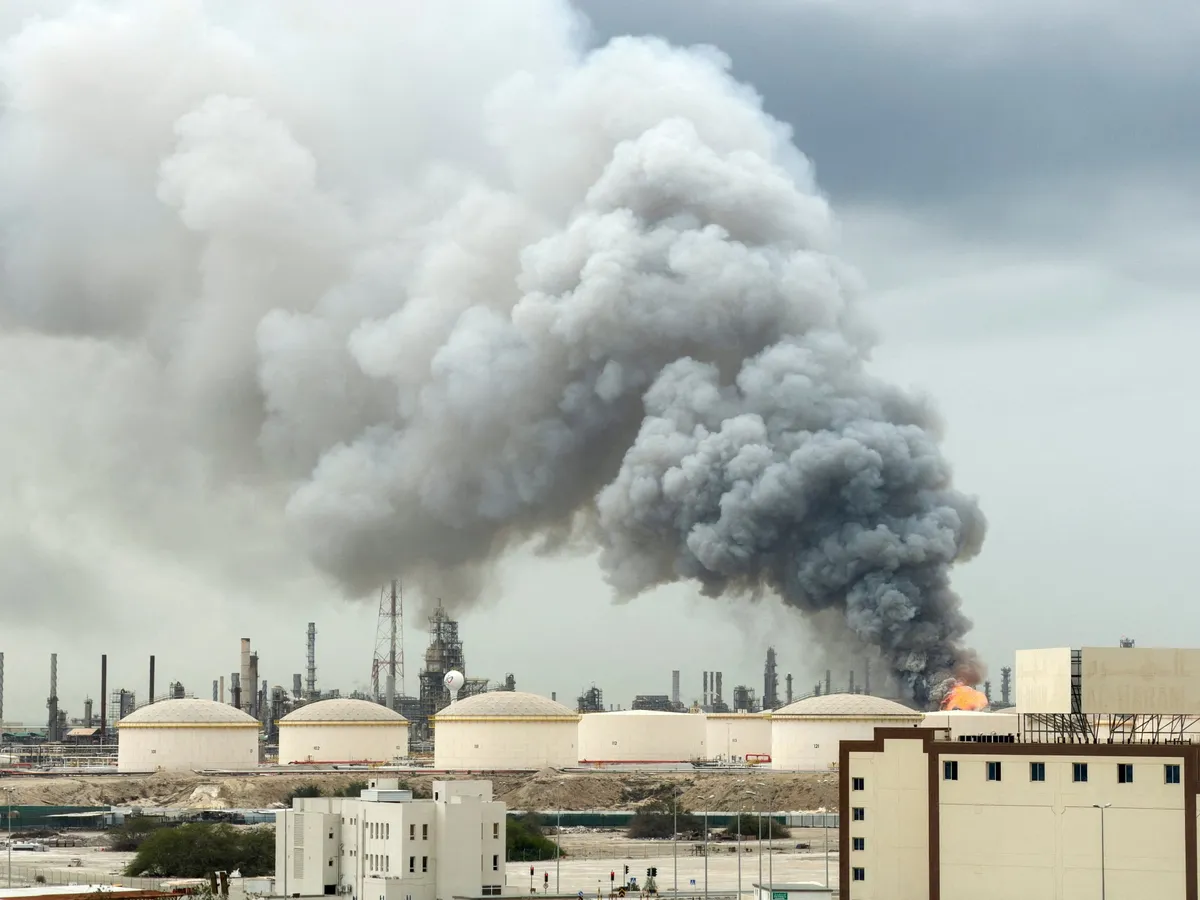
The escalation of conflict, particularly involving Iran, has led to substantial disruptions in oil production. Currently, crude production is being curtailed by at least 8 million barrels per day (mb/d), with an additional 2 mb/d of condensates and natural gas liquids (NGLs) also shut in. These production cuts are a direct response to the geopolitical tensions that have emerged, leading to fears of supply shortages.
International Response
In an effort to stabilize the market, member countries of the International Energy Agency (IEA) agreed on March 11 to release 400 million barrels of oil from their emergency reserves. This coordinated action aims to mitigate the impact of the ongoing conflict on global oil supply and prices.
Current Inventory Levels
Despite the rising prices, global observed inventories of crude and products are currently assessed at more than 8.2 billion barrels, marking the highest level since February 2021. This high inventory level provides some cushion against the immediate effects of production disruptions, but the situation remains precarious.
Market Fluctuations
Market volatility has been evident, with May Brent crude futures experiencing a 13% drop to $87.5 per barrel, followed by a rise of 4.5% back to $92 per barrel, and even reaching $100 per barrel at one point. Such fluctuations reflect the uncertainty surrounding the ongoing conflict and its potential impact on oil supply.
Related Commodity Movements
The turmoil in the oil market has also influenced other commodities. For instance, exports of palm oil products from Malaysia saw an increase of 37.9% to 45.3% during the first ten days of March compared to the same period in February. Additionally, May soybean oil futures rose by 7% at the onset of the conflict, showcasing the interconnectedness of global commodity markets.
Future Uncertainties
Looking ahead, the duration of disruptions to shipping through the Strait of Hormuz remains unclear, which could further exacerbate the situation. The ultimate impact on oil and gas markets from the ongoing conflict also remains uncertain. Details remain unconfirmed, leaving analysts and market participants on edge as they navigate this volatile landscape.