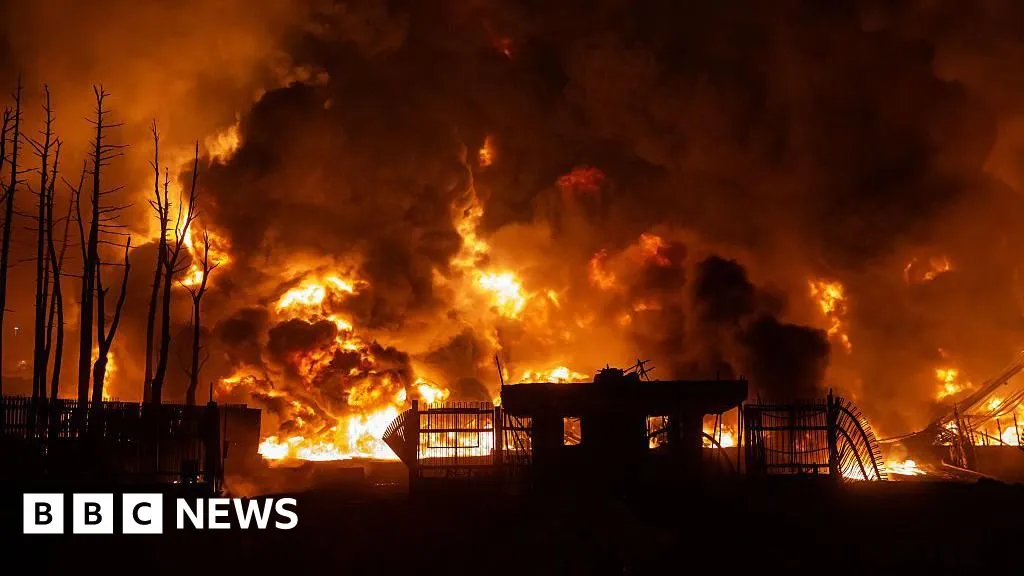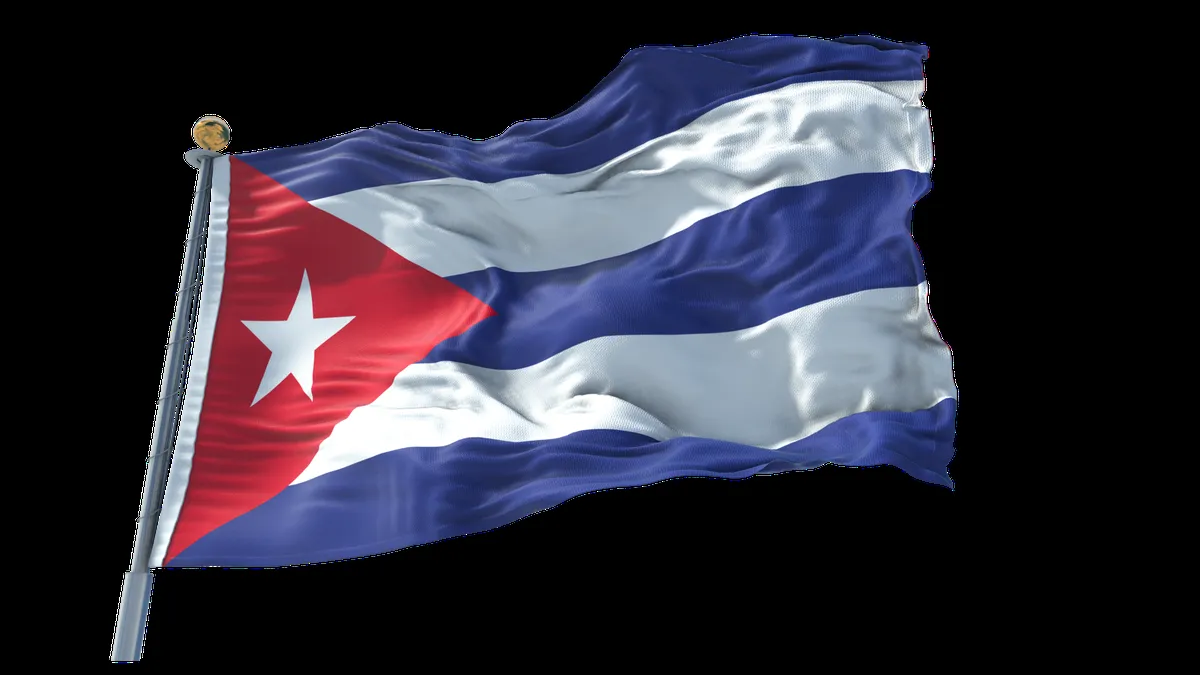
The ongoing energy crisis in Cuba has reached alarming levels, primarily due to a US oil blockade that has resulted in nationwide blackouts and a dire humanitarian situation. The United Nations has issued warnings regarding the potential for a humanitarian crisis if the current circumstances do not improve.
Raul Castro is reportedly involved in discussions aimed at easing tensions between Cuba and the United States, with Cuban President Miguel Diaz-Canel indicating that these talks are still in their early stages. The urgency of these discussions is underscored by the fact that Cuba has not received any fuel shipments for three months, severely impacting its energy supply.
Cuba’s power generation is heavily reliant on oil, with approximately 83% of its energy coming from this source. This dependence has been detrimental, particularly in light of the recent US sanctions and the Trump administration’s threats of tariffs on countries supplying fuel to Cuba.
In March 2026 alone, Cuba experienced three significant grid collapses, highlighting the fragility of its energy infrastructure. The situation has escalated to the point where UN officials have proposed a $94 million aid plan to assist Cuba in addressing its energy crisis.
The health services in Cuba are also in peril, with Tedros Adhanom Ghebreyesus, Director-General of the World Health Organization, expressing deep concern over the delivery of health services amid the ongoing crisis. The combination of energy shortages and health service disruptions poses a significant threat to the well-being of the Cuban population.
Diaz-Canel emphasized the need for dialogue, stating, “First, we must build a channel for dialogue. Then, we must build common agendas of interests for the parties, and the parties must demonstrate their intention to move forward and truly commit to the program based on the discussion of those agendas.” This statement reflects the Cuban government’s desire to engage constructively with the United States.
As the situation develops, the potential for further humanitarian aid and international cooperation remains uncertain. Francisco Pichon has warned that if the energy crisis continues to spiral, the consequences could be dire for the Cuban people.
Details remain unconfirmed regarding the outcomes of the ongoing talks and the potential for relief from the blockade. The international community is closely monitoring the developments in Cuba, as the stakes continue to rise for its citizens.