How it unfolded
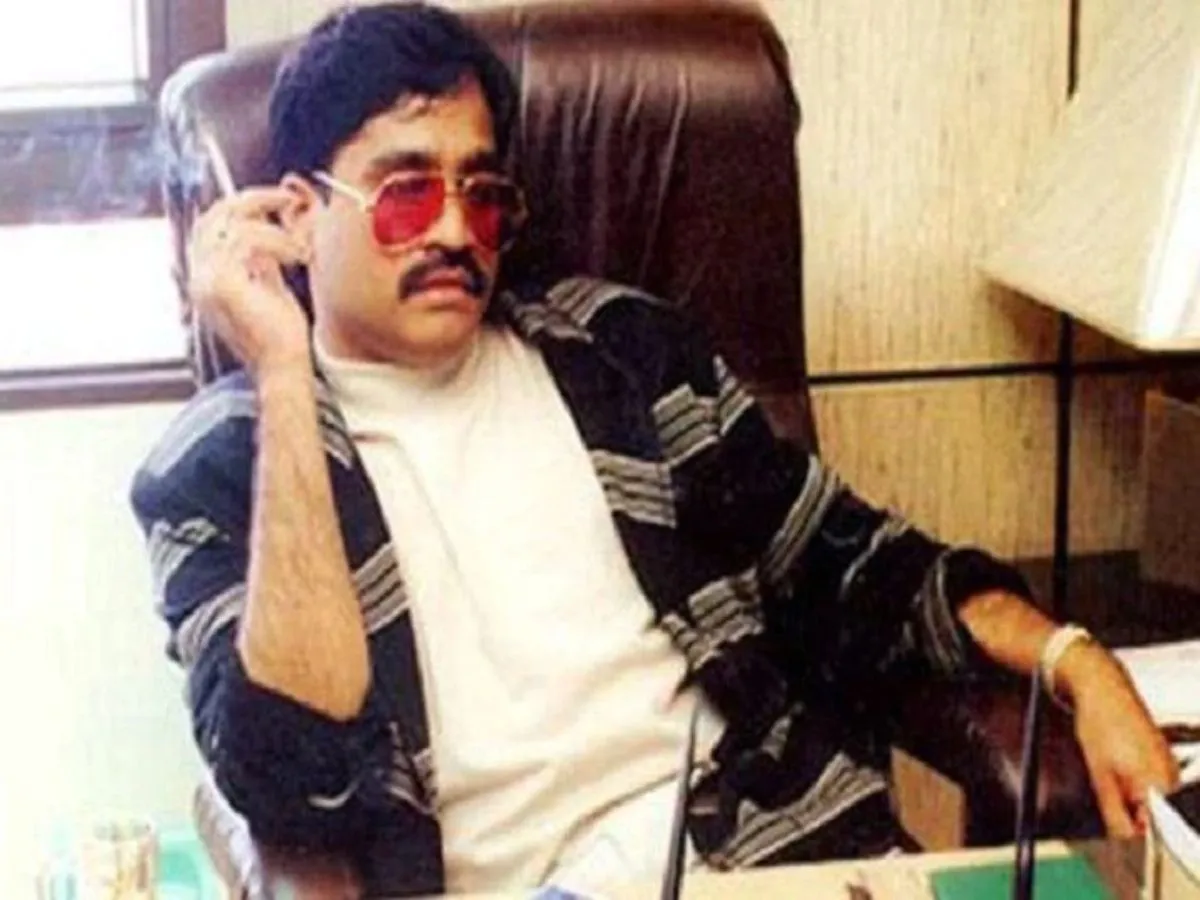
The saga of Dawood Ibrahim, a notorious figure in global crime and terrorism, continues to unfold, with his status as a wanted terrorist in India remaining a subject of intense speculation. Ibrahim, who is implicated in the 1993 Mumbai serial blasts that resulted in the deaths of over 250 people, has been on the run since fleeing India in 1993, allegedly with the backing of Pakistan. Reports from late August 2020 indicated that he is alive and residing in Karachi, Pakistan, where he is believed to have multiple addresses, as noted in the UN Security Council Consolidated List.
Since his departure from India, Ibrahim’s criminal enterprise, known as D-Company, has evolved from a gold smuggling racket into a significant terrorist organization. This transformation was marked by the orchestration of the Mumbai blasts, which not only devastated the city but also drew international attention to his activities. The United States designated him a Specially Designated Global Terrorist in 2003, and the UN Security Council has associated him with Al-Qaeda since November of the same year.
In recent years, the narrative surrounding Ibrahim has been reignited, particularly with the release of the film “Dhurandhar 2,” which features a character heavily implied to be based on him. This resurgence in public interest has led to renewed discussions about his whereabouts and the implications of his continued existence. As noted by India’s ambassador to the United Nations, “Dawood Ibrahim’s D-Company started out as a gold smuggling and counterfeit currency racket, but transformed into a terrorist entity when it orchestrated the 1993 Mumbai serial blasts that killed more than 250 people.”
Despite the ongoing speculation, the exact status of Dawood Ibrahim’s health and current activities remains unconfirmed. Reports of his death have surfaced intermittently, but none have been officially validated. The absence of a clear narrative has only deepened speculation, leaving many to wonder about the truth behind the elusive figure.
Adding to the complexity of the situation, Zahoor Mistry, a figure associated with Ibrahim’s network, was shot dead in Karachi on March 1, 2026. Mistry’s funeral attracted senior figures linked to Jaish-e-Mohammed, further illustrating the intricate web of connections that Ibrahim maintains within the realm of international terrorism.
As of now, Ibrahim’s D-Company is one of 88 individuals and entities banned by Pakistan under Financial Action Task Force (FATF) compliance, highlighting the international community’s efforts to combat terrorism financing. The implications of Ibrahim’s status are significant not only for India, which continues to seek justice for the victims of the Mumbai blasts, but also for global security as his network is linked to supporting various terrorist organizations.
The ongoing uncertainty surrounding Dawood Ibrahim’s fate raises critical questions about the effectiveness of international efforts to apprehend him and dismantle his operations. As the world watches, the narrative of Dawood Ibrahim remains a potent reminder of the challenges faced in combating transnational crime and terrorism.