The wider picture
Delhi’s weather is poised for a significant shift as the Indian Meteorological Department (IMD) forecasts rain beginning March 18, 2026. This rainfall is attributed to a western disturbance system, which is typical for this time of year in northern India. The expected thunderstorms and gusty winds are anticipated to provide much-needed relief from the high daytime temperatures that have recently hovered around 33°C.
As the rain approaches, a yellow alert has been issued for Delhi from March 18 to March 20, signaling potential weather disruptions. Authorities have urged residents to exercise caution while commuting or planning outdoor activities during this period. The IMD’s warning highlights the importance of preparedness as the city braces for the impact of this weather system.
On March 19, the forecast indicates a drop in daytime temperatures to around 29°C, with nighttime lows expected to reach 19°C. This change in temperature is a welcome relief for residents who have been experiencing unusually high temperatures for late March. Furthermore, on March 20, maximum temperatures are projected to decrease further to 27°C, while minimums are expected to settle at around 17°C.
Recent weather patterns have shown that the average precipitation in Delhi on March 19 was recorded at 9.4 mm, marking it as the wettest March since 2023. This rainfall has also contributed to an improvement in the city’s air quality index (AQI), which has dropped to 137, placing it in the ‘moderate’ category. Such improvements are crucial for the health and well-being of Delhi’s residents, who often contend with poor air quality.
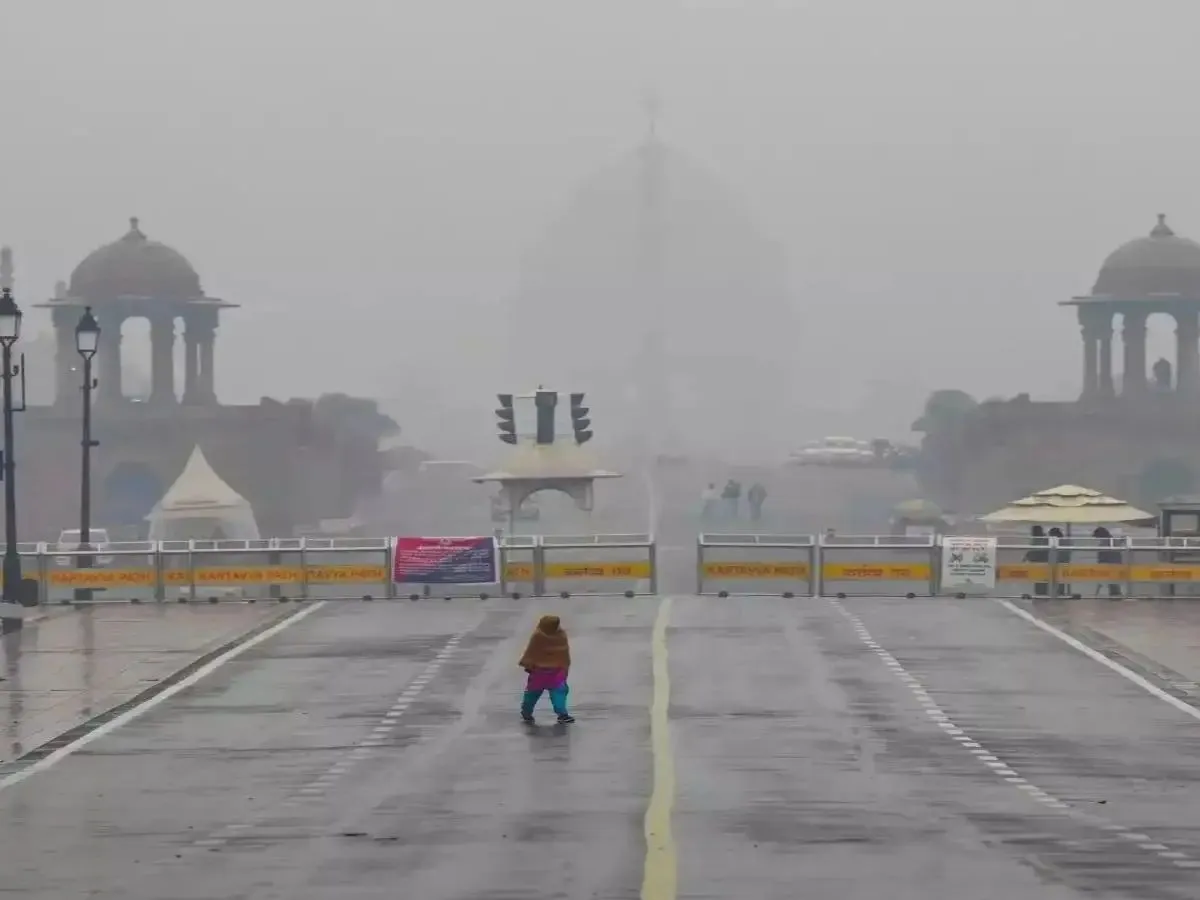
Fog has been reported in various parts of Delhi, a phenomenon attributed to a mix of rain-soaked air and the overnight cooling that followed the rainfall. This unusual weather has led to a sharp drop in minimum temperatures, which fell to 13 degrees Celsius, creating a rare overlap of winter-like mornings and pre-summer afternoons. Such fluctuations in temperature are not typical for this time of year, prompting discussions among meteorologists about the changing climate patterns.
Mahesh Palawat, a meteorologist, noted that the western disturbance is currently positioned over North Pakistan and adjoining Jammu and Kashmir, causing heavy rainfall in the western Himalayan regions. He remarked, “The pre-monsoon activity has also arrived earlier than usual,” indicating a shift in seasonal weather behavior that could have broader implications for the region.
Looking ahead, the IMD predicts that another spell of rain could hit the capital early next week, suggesting that residents should remain vigilant and prepared for further weather changes. As temperatures in Delhi currently run below what is typical for late March, the upcoming weather patterns may continue to challenge the norms of seasonal expectations.
As the situation develops, officials and weather observers will continue to monitor the conditions closely, providing updates and guidance to the public. The coming days will be crucial in determining the full impact of this weather system on Delhi and its residents.