Reaction from the field
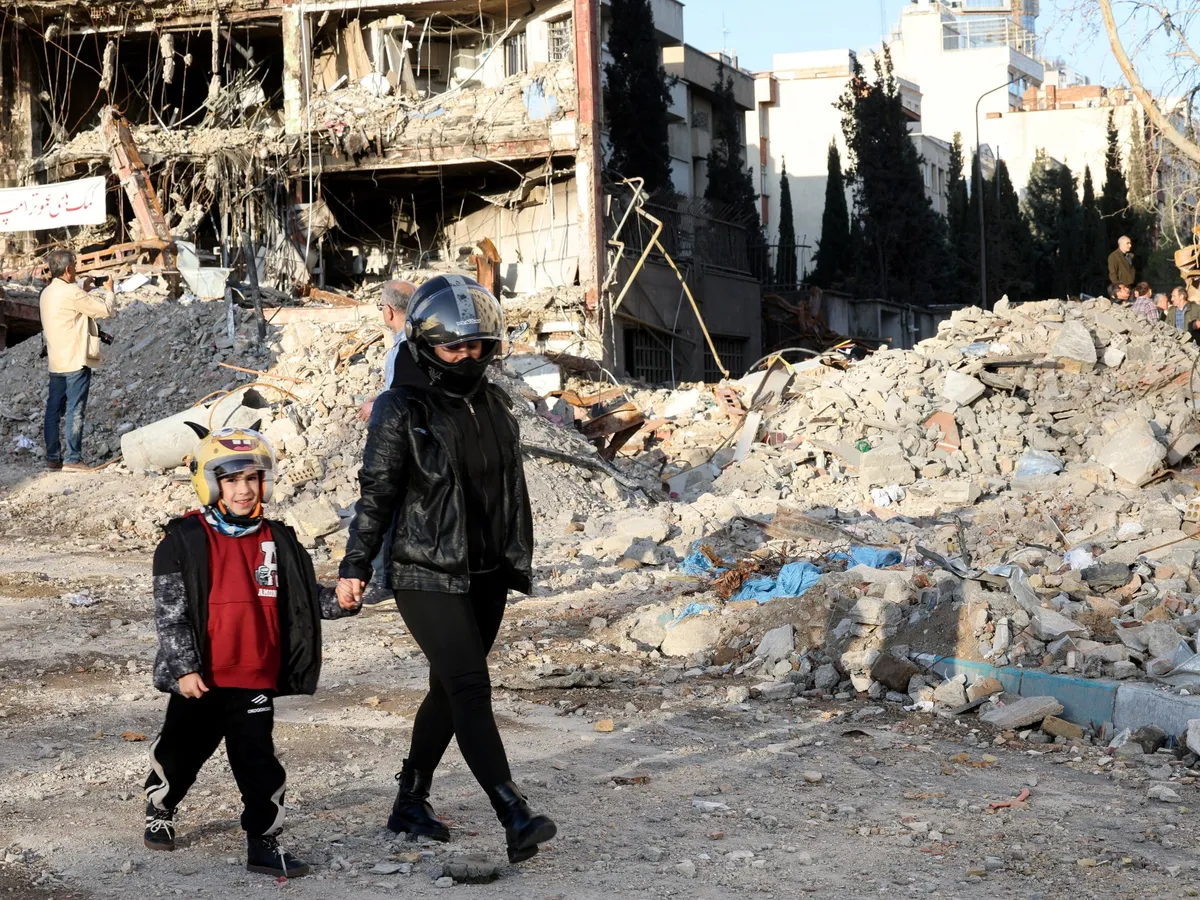
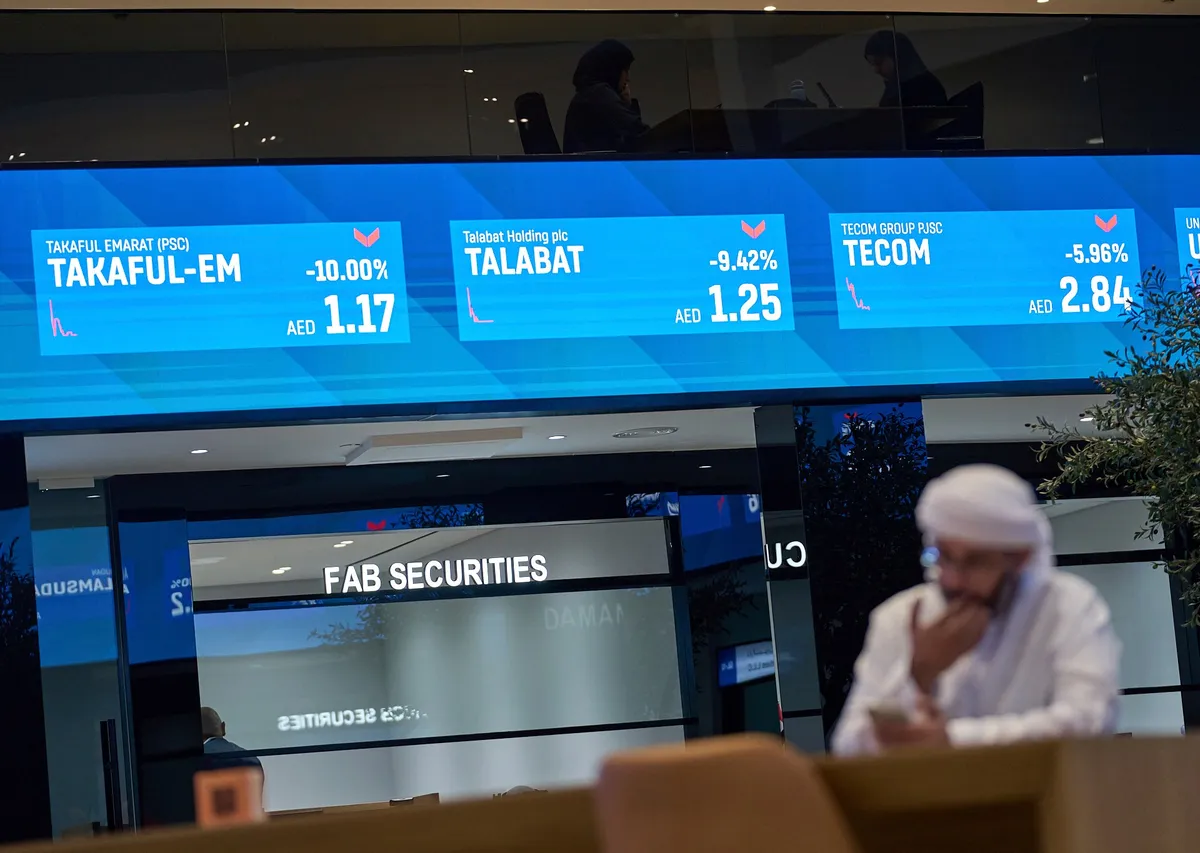
The ongoing Dubai Iran War has had a profound impact on the economic landscape of the UAE, particularly in Dubai and Abu Dhabi. Since the onset of the conflict, which has lasted for over a month, the UAE’s stock markets have suffered a staggering loss of approximately $120 billion in value. This significant downturn underscores the war’s immediate effects on investor sentiment and market confidence.
Dubai’s benchmark index has experienced a sharp decline, plunging about 16 percent since February 28, 2026. The Dubai Financial Market (DFM) General Index alone has lost around $45 billion in market capitalization, while the Abu Dhabi Securities Exchange (ADX) General Index has shed about $75 billion since the war began. These figures illustrate the financial turmoil that has gripped the region as tensions escalate.
Amidst this economic turmoil, a drone attack on a Kuwaiti oil tanker, the Al-Salmi, further highlights the conflict’s implications for energy security. The tanker, which was loaded with two million barrels of oil from Kuwait and Saudi Arabia, caught fire while anchored at Dubai Port. Fortunately, no oil leakage or injuries were reported from this incident. However, the attack raises alarms about the safety of maritime operations in the region.
As the conflict continues, it has resulted in thousands of casualties and disruptions to energy supplies, exacerbating concerns over rising oil prices. In March alone, Brent crude prices surged by 59 percent, reflecting the market’s reaction to the instability in the region. Analysts are closely monitoring these developments, as they could have long-lasting implications for the global energy market.
Experts have weighed in on the situation, with Haytham Aoun stating, “It is clearly a short-term setback to investor sentiment and market confidence, but not necessarily a fundamental challenge to the UAE’s long-term economic plan.” This perspective suggests that while the immediate effects are severe, the UAE’s economic resilience may mitigate long-term damage.
On the ground, the atmosphere remains tense. Zein Basravi noted, “These attacks seem to be getting closer, they’re getting louder, and one of them hit that oil tanker off the coast of the waters of Dubai.” This sentiment reflects the growing apprehension among residents and businesses regarding the safety and stability of the region.
Despite the escalating tensions, diplomatic efforts continue. Abbas Araghchi, a senior Iranian official, remarked, “Iran respects the Kingdom of Saudi Arabia and considers it a brotherly nation,” indicating a potential for dialogue amidst the conflict. However, the effectiveness of such statements in de-escalating the situation remains to be seen.
As the situation evolves, uncertainties persist regarding the long-term impact of the war on the UAE’s financial markets. Details remain unconfirmed, and stakeholders are keenly awaiting further developments that could shape the future of the region’s economy and security.