Drone Strikes Target Dubai
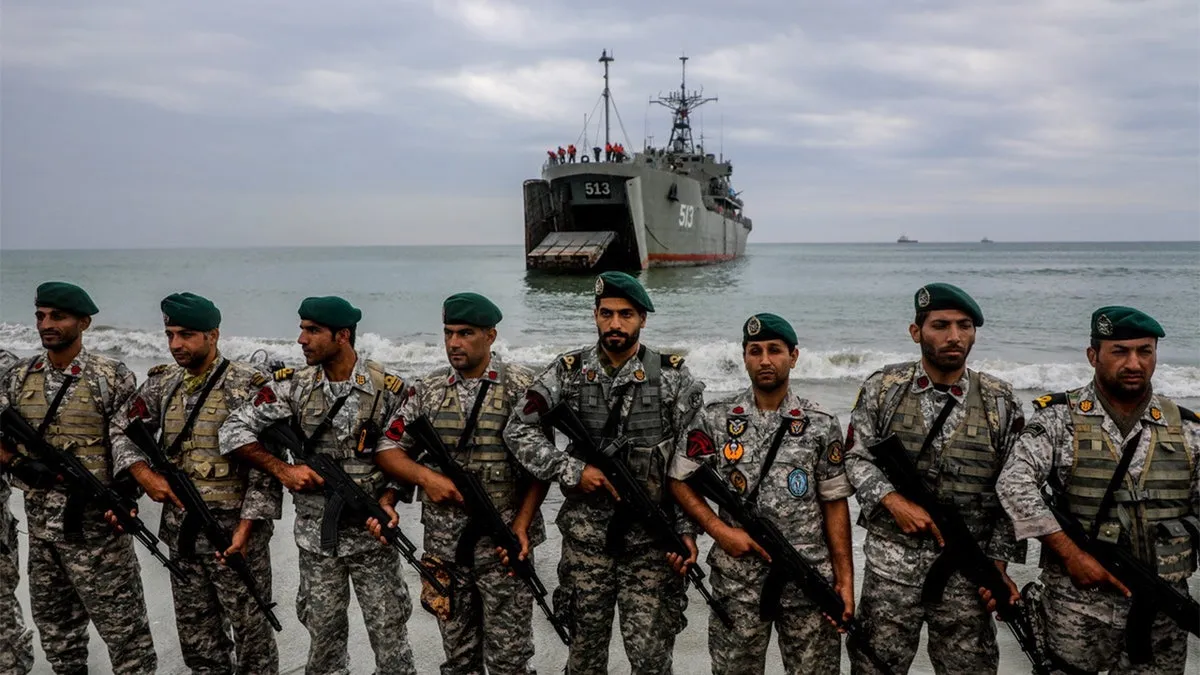
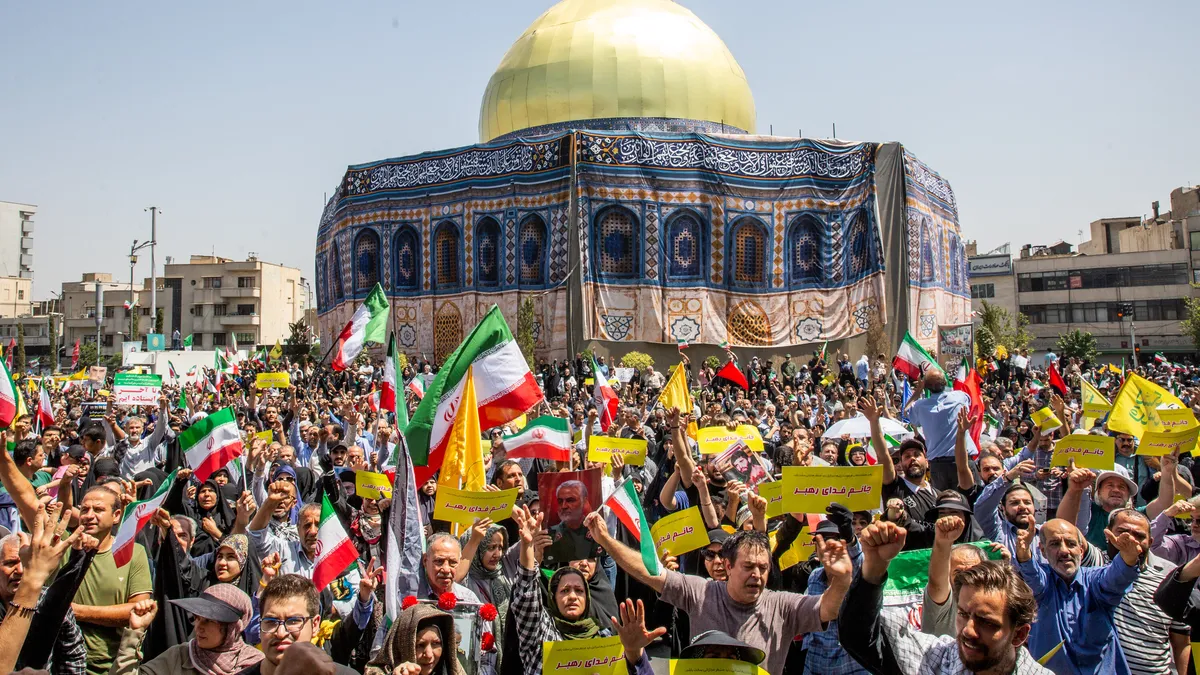
On March 11, 2026, Iran escalated its military aggression by targeting Dubai International Airport with drone strikes, resulting in four reported injuries. Explosions were also reported in downtown Dubai, including areas near the iconic Burj Khalifa, raising security concerns in one of the world’s busiest cities.
International Response and Economic Impact
The U.N. Security Council has responded to these attacks by demanding an immediate halt to Iran’s actions against its Gulf neighbors. Bahrain’s U.N. ambassador, Jamal Alrowaiei, stated, “The international community is resolute in rejecting these Iranian attacks against sovereign countries that are threatening the stability of the peoples, especially in a region of strategic importance to global economy, energy, security and security of global trade.” The conflict has already resulted in significant economic repercussions, with the U.S. estimating a cost of $11.3 billion in the first week alone.
Casualties and Displacement
Since the conflict began on February 28, 2026, at least 24 people have died across the Gulf region, including seven U.S. service members. Additionally, the fighting has led to the displacement of 759,000 people in Lebanon, with 634 reported fatalities there since the onset of hostilities. The situation remains dire as the conflict continues to unfold.
Shifts in Operations and Security Measures
In response to the escalating violence, the U.S. has temporarily suspended routine services at its diplomatic missions in the UAE. Major global technology firms operating in Dubai have also shifted to remote work for their employees, with a Google executive noting, “All employees across the region, apart from critical staff responsible for maintaining cloud infrastructure, had been shifted to mandatory work from home — that continues.” This shift reflects the heightened security concerns in the region.
Energy Sector Responses
As part of the international response to the conflict, the International Energy Agency has agreed to release 400 million barrels of oil to stabilize the market. Furthermore, the U.S. plans to release 172 million barrels from its Strategic Petroleum Reserve to mitigate the impact of the conflict on global oil supplies.
Ongoing Developments
Details remain unconfirmed regarding further military actions or diplomatic negotiations. The situation continues to evolve, with observers closely monitoring developments in the region. The U.N. Security Council’s recent resolution demanding a halt to Iran’s “egregious attacks” signifies the international community’s growing concern over the conflict’s implications for regional stability.
The ongoing conflict between Iran and its Gulf neighbors, particularly the recent attacks on Dubai, underscores the volatile security landscape in the Middle East. As the situation develops, the global community remains watchful, hoping for a resolution that ensures peace and stability in the region.