Reaction from the field
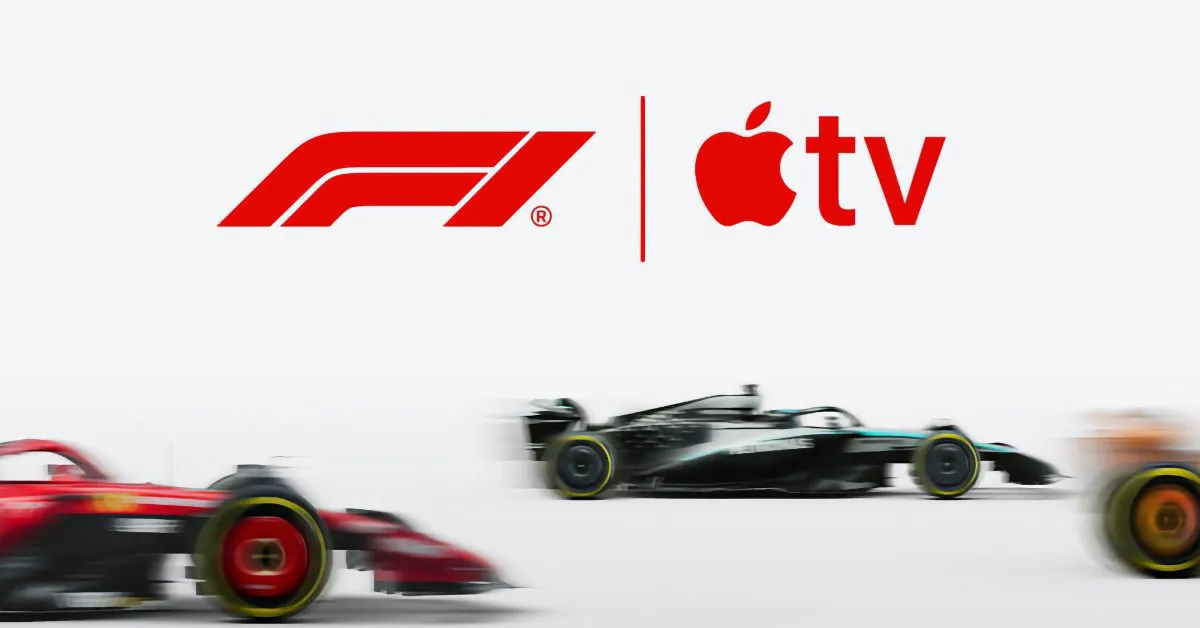
The landscape of Formula 1 broadcasting in the United States is set to undergo a significant transformation as Apple TV has entered into an exclusive deal to broadcast all Formula 1 events starting with the 2026 season. This move marks a departure from the previous arrangement where ESPN held the broadcasting rights. The implications of this shift are profound, as it not only changes how fans will access the sport but also integrates F1.TV Premium into Apple TV subscriptions, enhancing the viewing experience for dedicated fans.
Under the new agreement, Apple TV subscribers will have access to all Grand Prix races, qualifying sessions, and practice events, which are crucial for fans looking to follow the season closely. The subscription costs are set at $12.99 per month or $99 per year, making it a competitive option in the streaming market. Additionally, the inclusion of F1.TV Premium as a complimentary perk for subscribers adds significant value, allowing fans to enjoy exclusive content and features.
In a related incident during the recent Japanese Grand Prix, driver Ollie Bearman experienced a harrowing crash that resulted in a staggering 50G impact. Following the incident, Bearman was promptly taken to the FIA medical centre, where it was confirmed that he suffered a right knee contusion but thankfully no fractures were detected. Haas F1, Bearman’s team, provided updates on his condition, emphasizing the severity of the crash while also reassuring fans of his recovery.
“Ollie has had an X-ray at the medical centre. No fractures, a right knee contusion following the impact,” stated Haas, highlighting the team’s commitment to the safety and well-being of their drivers. The crash also prompted discussions among drivers about the dangers of high-speed racing, with Carlos Sainz remarking, “With the accident with Ollie, we’ve been warning them with these closing speeds that this was going to happen.” His comments reflect ongoing concerns within the racing community regarding safety protocols and the need for improvements.
Sainz further added, “I hope it serves as one example, if they listen to teams and drivers… the racing is clearly not OK.” This sentiment resonates with many in the paddock who are advocating for enhanced safety measures to protect drivers in the face of increasingly competitive racing dynamics.
The introduction of Apple TV as a primary broadcaster for Formula 1 is expected to attract a new audience to the sport, particularly among younger viewers who are more inclined to consume content via streaming platforms. This strategic move aligns with the broader trend of sports leagues transitioning to digital-first approaches, catering to the evolving preferences of fans.
As the 2026 season approaches, the integration of F1.TV into Apple TV’s offerings will likely redefine how fans engage with Formula 1. While the details of this transition are still being finalized, the potential for increased accessibility and enhanced viewing experiences is promising. However, uncertainties remain about how this shift will affect existing fan bases and the overall landscape of sports broadcasting in the United States.
With these developments, the Formula 1 community is poised for a new chapter that could reshape the sport’s presence in the American market. As fans await further updates, the focus will be on how Apple TV and F1.TV can deliver a compelling and safe viewing experience for all motorsport enthusiasts.