Key moments
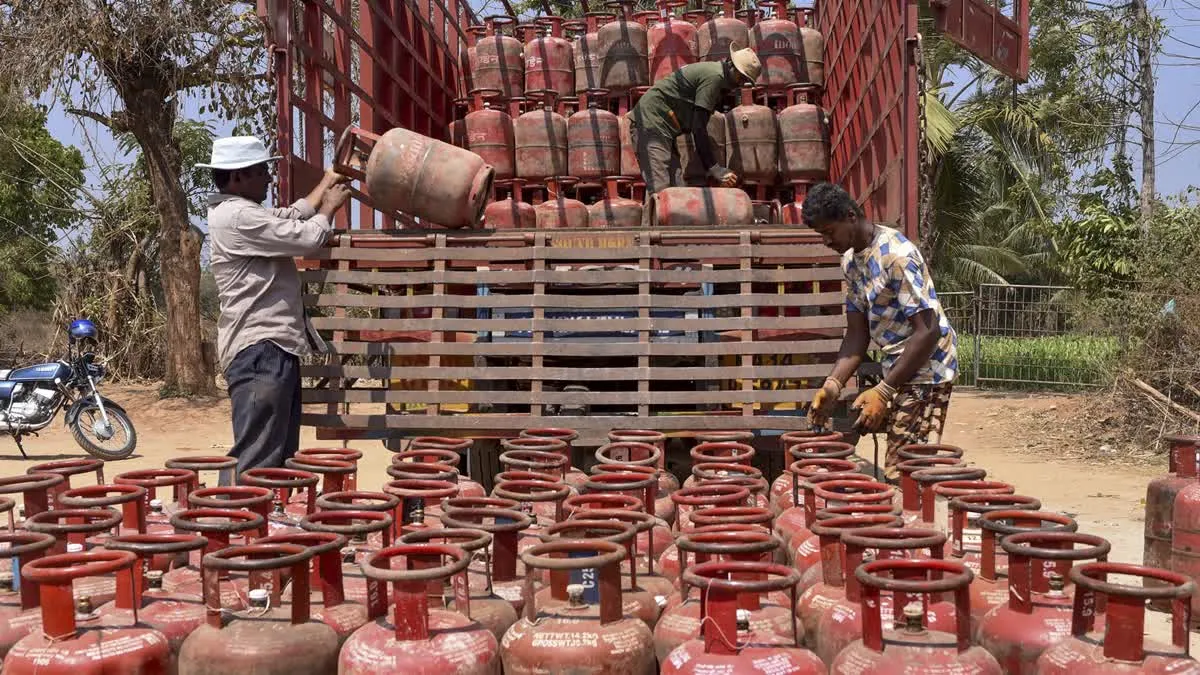
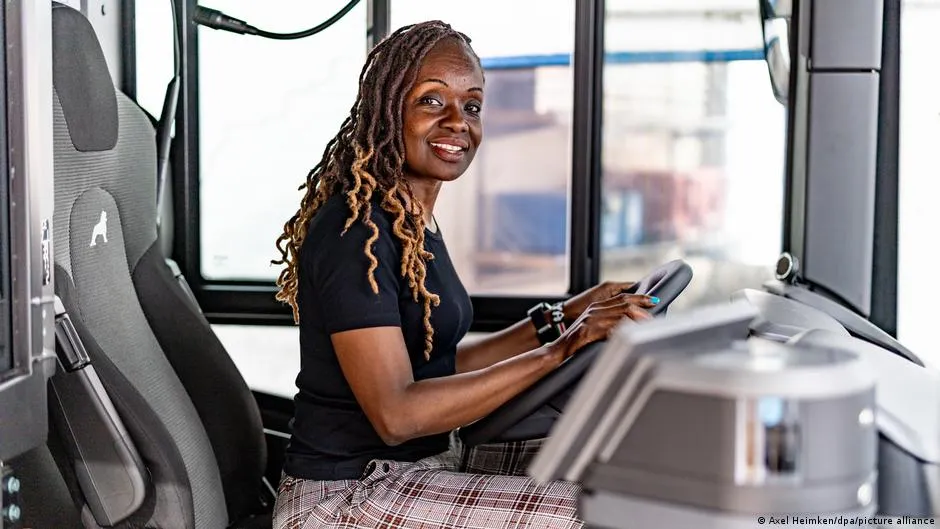
Germany is currently facing a significant skilled worker shortage, with the government estimating a need for 400,000 foreign skilled workers each year over the next decade. This urgent requirement arises from a combination of an aging population and a declining birth rate, which has led to a demographic crisis in the country.
The immediate circumstances highlight that more than 20% of employees in Germany are at least 55 years old and are expected to retire within the next ten years. This impending retirement wave is exacerbating the existing labor gaps, as many young candidates are opting to move to other sectors, leaving critical industries understaffed.
In response to this crisis, the WE-Fair alliance has been established to attract foreign skilled workers while simultaneously strengthening training structures in their countries of origin. This initiative aims to create a sustainable pipeline of talent that can support Germany’s economy in the long term.
Germany’s immigration process for skilled workers, however, faces challenges. Bureaucratic delays and overburdened immigration offices have hindered the timely arrival of foreign talent. Despite these obstacles, the Migration and Mobility Partnership Agreement signed with India in 2022 has simplified the process for Indian workers seeking employment in Germany.
India presents a unique opportunity for Germany, as it has a labor surplus with 600 million people below the age of 25, although only 12 million enter the workforce each year. To capitalize on this potential, Germany plans to increase the skilled work visa quota for Indian citizens from 20,000 to 90,000 annually by the end of 2024. This increase is expected to help fill the gaps in various sectors, particularly in technology and engineering.
Interestingly, Indian workers in Germany are earning significantly more than their German counterparts. In 2024, Indian employees had a median gross monthly income of €5,393, which is 29% higher than the €4,177 earned by German workers. This disparity in wages may further incentivize skilled workers from India to seek opportunities in Germany.
As the situation evolves, industry leaders are voicing their concerns. Reem Alabali Radovan, a government official, stated, “Germany needs qualified skilled workers.” Meanwhile, business owner Joachim Lederer remarked, “I wouldn’t be in business today without India,” emphasizing the crucial role that foreign talent plays in sustaining German enterprises.
Looking ahead, organizations like India Works are planning initiatives to bring young Indians to Germany for apprenticeships in various trades. In 2026, they expect to facilitate the arrival of 775 young Indians, further contributing to the skilled labor pool. However, the success of these efforts will largely depend on how Germany manages its immigration policies and treats the immigrants already residing in the country. Jasmin Arbabian-Vogel noted, “If we want to remain attractive, then the question is directly tied to how we treat the immigrants who are already here in the country.”