ICSE Class 10th Physics Paper Overview
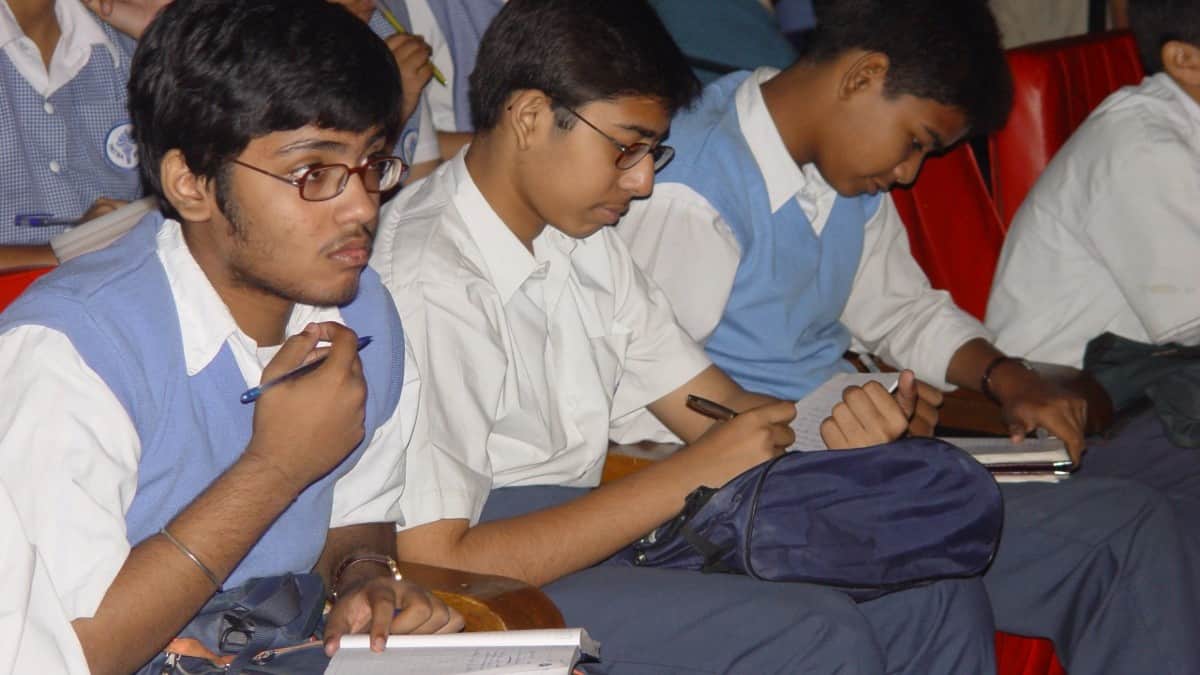
The ICSE Class 10 Physics exam was held on March 9, 2026, from 11 am to 1 pm at various CISCE centres. This examination is a significant milestone for students, as it contributes to their overall academic performance.
Students were provided with 15 minutes of reading time prior to the start of the exam, allowing them to familiarize themselves with the questions. The physics paper was structured for a total of 100 marks, with 80 marks allocated for theory and 20 marks for internal assessment.
To successfully pass the ICSE Class 10 physics exam, students needed to achieve a minimum of 33 marks out of 100. This requirement underscores the importance of thorough preparation and understanding of the subject matter.
Exam Structure and Content
The question paper included a diverse range of question types, encompassing objective questions, very short-answer, short-answer, and long-answer questions. This variety aimed to assess students’ comprehension and application of physics concepts effectively.
Feedback from students indicated that the exam was rated as moderate to difficult. Many found the exam balanced and aligned with the syllabus, which is crucial for ensuring that students are adequately prepared for the challenges of the examination.
The exam was divided into two sections: Section A, which was compulsory, and Section B, which offered students a choice of questions. This structure allowed students to demonstrate their strengths in specific areas of physics.
Context and Future Implications
The ICSE Class 10 board exams for 2026 are being conducted from February 17 to March 30, encompassing a range of subjects. The completion of the physics exam marks a significant step for students as they navigate their academic journey.
Overall, the ICSE Class 10 Physics exam 2026 was considered balanced, syllabus-based, and moderately challenging. The analysis of this exam will help students understand the exam pattern and how the paper was set, providing valuable insights for future assessments.
Details remain unconfirmed regarding the overall performance of students and the subsequent impact on their academic trajectories. As the examination period continues, students and educators alike await further developments and results.