The International Energy Agency (IEA) was founded in 1974 in response to the oil embargo imposed by Arab producers over U.S. support for Israel during the 1973 Arab-Israeli war. This historical context underpins the agency’s role in managing energy crises and ensuring stability in global oil markets.
Recent Developments
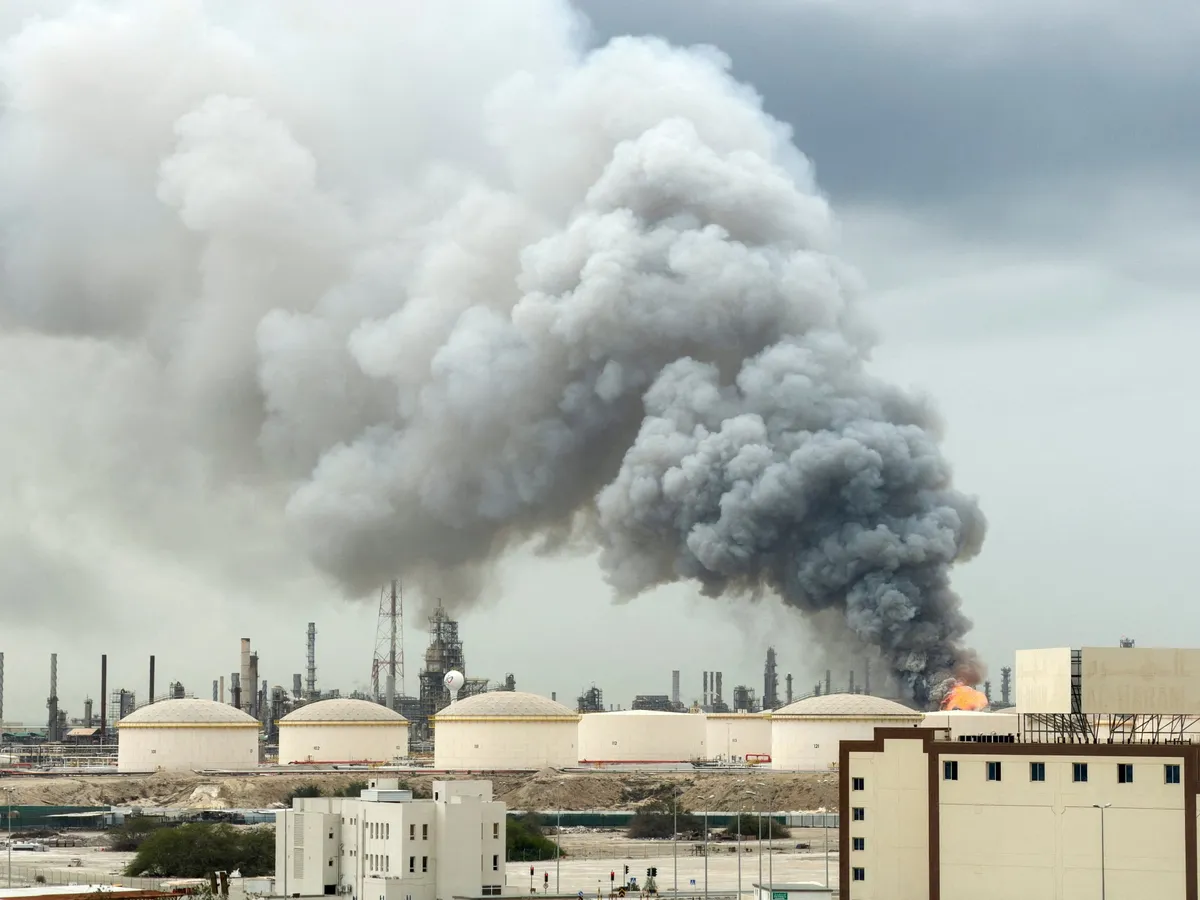
In a significant move, the IEA has agreed to release 400 million barrels of oil from its members’ strategic reserves. This release is larger than the 182 million barrels that were released following Russia’s invasion of Ukraine in 2022. The decision comes amid unprecedented challenges in the oil market, triggered by the closure of the Strait of Hormuz, which has led to the largest oil supply disruption in history.
Fatih Birol, the Executive Director of the IEA, stated, “The oil market challenges we are facing are unprecedented in scale, therefore I am very glad that IEA Member countries have responded with an emergency collective action of unprecedented size.” He further emphasized the unanimous decision among IEA countries to launch this historic release of emergency oil stocks.
Impact of the Closure of the Strait of Hormuz
The Strait of Hormuz is a critical chokepoint through which about a fifth of global oil supplies transit, with approximately 20 million barrels per day typically passing through. The ongoing conflict in the Middle East has significant implications for energy security, affordability, and the global economy, as highlighted by Birol’s comments on the situation.
While the IEA has not set a specific timeline for when the released stocks will hit the market, the action is designed to address the immediate impacts of the supply disruption. Member countries hold more than 1.2 billion barrels of emergency oil stocks, including 600 million barrels held under government obligation, which can be mobilized to stabilize the market.
Observers are closely monitoring the situation, as the release of these stocks could help mitigate the adverse effects on global oil prices and supply chains. The IEA’s proactive measures reflect a commitment to ensuring energy security during a turbulent period for the oil market.