Who is involved
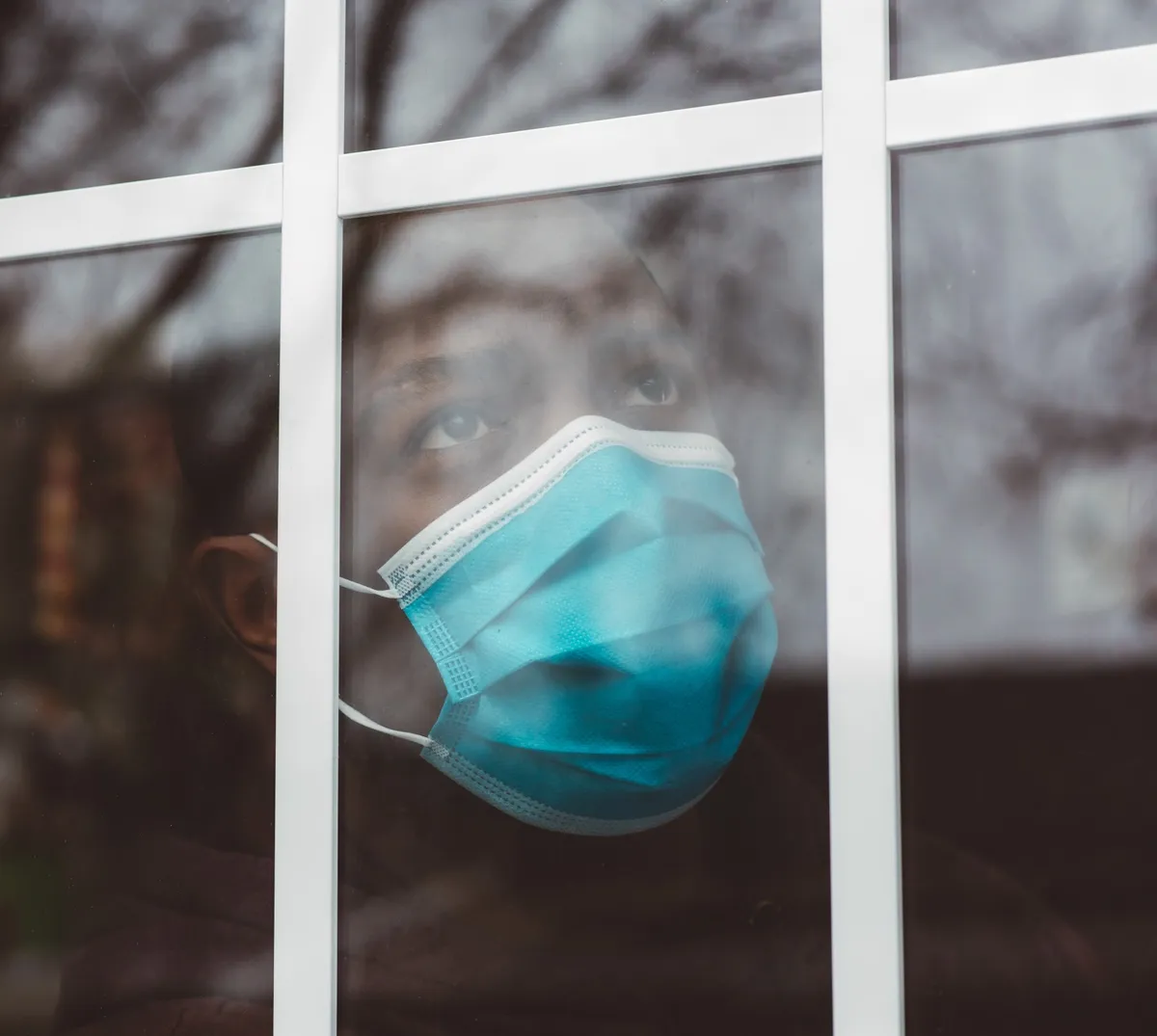
Before the recent developments, the idea of a lockdown in India was a topic of concern for many, especially given the memories of the nationwide lockdown that was announced on March 24, 2020, to curb the spread of Covid-19. The previous lockdown had significant implications for the economy and daily life, leading to widespread disruptions. As the world faced new challenges, including geopolitical tensions and supply chain issues, speculation about a potential repeat of such measures began to circulate.
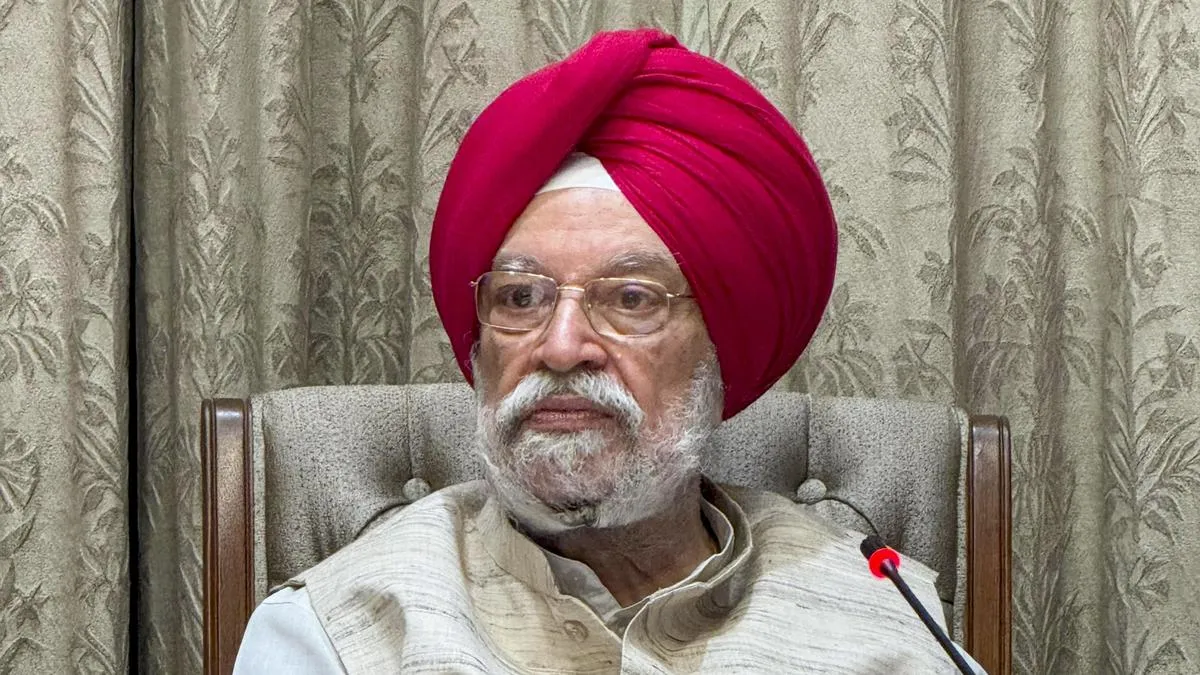
However, this speculation was met with swift and decisive responses from Indian government officials. Union Minister Hardeep Singh Puri stated unequivocally, “There shall not be any lockdown,” while Finance Minister Nirmala Sitharaman reassured the public that there would be no lockdown akin to the one experienced during the pandemic. These statements were aimed at quelling the rising fears and rumors that had begun to take hold.
The immediate effect of these declarations was a reduction in public anxiety regarding the possibility of a lockdown. Government officials dismissed the rumors as baseless, emphasizing that the current health situation in India is stable, with only seven active Covid-19 infections reported as of February 2, 2026. This stark contrast to the peak of the pandemic, when daily cases soared, highlights the progress made in managing the virus.
Moreover, the context of the ongoing conflict in West Asia, which has raised concerns about supply chains and energy flows, adds another layer to the situation. Prime Minister Modi warned of serious consequences if global disruptions persist due to the war, indicating that the government is closely monitoring developments across energy, supply chains, and essential commodities. The Strait of Hormuz, a critical route for nearly 20% of the world’s oil and gas supplies, remains a focal point of concern.
In light of these challenges, the Indian government is taking proactive steps to ensure uninterrupted availability of fuel and energy supplies. Hardeep Singh Puri noted, “The global situation remains in flux, and we are closely monitoring developments,” reinforcing the government’s commitment to maintaining stability in the face of external pressures.
Experts have pointed out that India has demonstrated resilience in the face of global uncertainties. The measures taken over the past years to build resilience are now being accelerated, as highlighted by Prime Minister Modi, who stated, “India is therefore accelerating all the resilience-building measures that have been undertaken over the past years.” This focus on resilience is crucial as the country navigates both domestic and international challenges.
As the situation evolves, the Indian government remains vigilant, ensuring that the public is informed and reassured. The commitment to avoiding a lockdown reflects a broader strategy to balance public health concerns with economic stability. While the past experiences of lockdowns linger in the collective memory, the current government stance aims to foster confidence among citizens and businesses alike.
Details remain unconfirmed regarding future measures, but the clear message from the government is one of stability and preparedness. As India continues to monitor both health and geopolitical developments, the emphasis remains on maintaining normalcy while being ready to respond to any emerging threats.