The question arises: What do the latest education results in India reveal about student performance and educational standards in 2026? The answer is a mix of commendable achievements and ongoing challenges across various states.
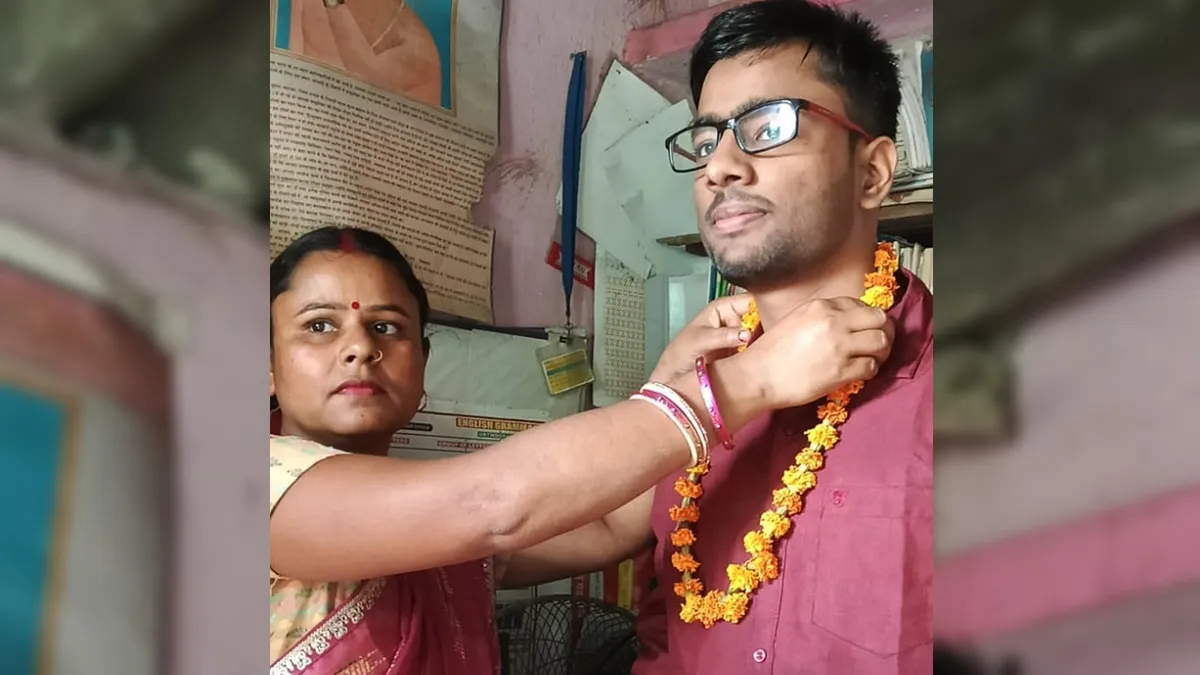
In Bihar, Aditya Prakash Aman emerged as the state topper in the Science stream, scoring an impressive 96.2%. This year, 17 districts in Bihar were represented among the top 100 rankholders, a notable improvement compared to previous years when only six districts made the list between 2016 and 2018.
Meanwhile, the Rajasthan Board of Secondary Education (RBSE) declared its Class 5 and 8 results on March 24, 2026. Students were required to secure at least 33% marks to pass these classes. Last year, the overall pass percentage for RBSE Class 8 was 96.66%, while Class 5 had a pass percentage of 97.47%.
In Madhya Pradesh, around 17 lakh students appeared for the Class 9 and 11 exams, with a minimum passing mark of 33% required in each subject for Class 11. This reflects a significant number of students engaging with the educational system, although the pressure to perform remains high.
These results not only highlight individual student achievements but also reflect broader trends in educational performance across states. The representation of more districts in Bihar’s top ranks suggests improvements in educational access and quality.
However, the challenges remain, particularly in ensuring that all students meet the minimum passing criteria. The requirement of 33% marks to pass in various classes indicates that while many students excel, others may struggle to meet basic educational standards.
As the educational landscape in India continues to evolve, the focus will likely shift towards addressing these disparities and improving overall student performance. The ongoing efforts by educational boards and institutions will be crucial in shaping future outcomes.
Details remain unconfirmed regarding the specific factors contributing to the improvements seen in Bihar and the overall performance in Madhya Pradesh. Stakeholders will be keen to analyze these results further to understand the implications for future educational policies.