Indian Gas Shortage: Supply Disruptions and Rising Prices
Indian families are facing an acute cooking gas shortage as the ongoing conflict in West Asia disrupts supply chains. India, the world’s second-largest buyer of liquefied petroleum gas (LPG), sources over 90% of its supplies from the Middle East, making it highly vulnerable to geopolitical tensions.
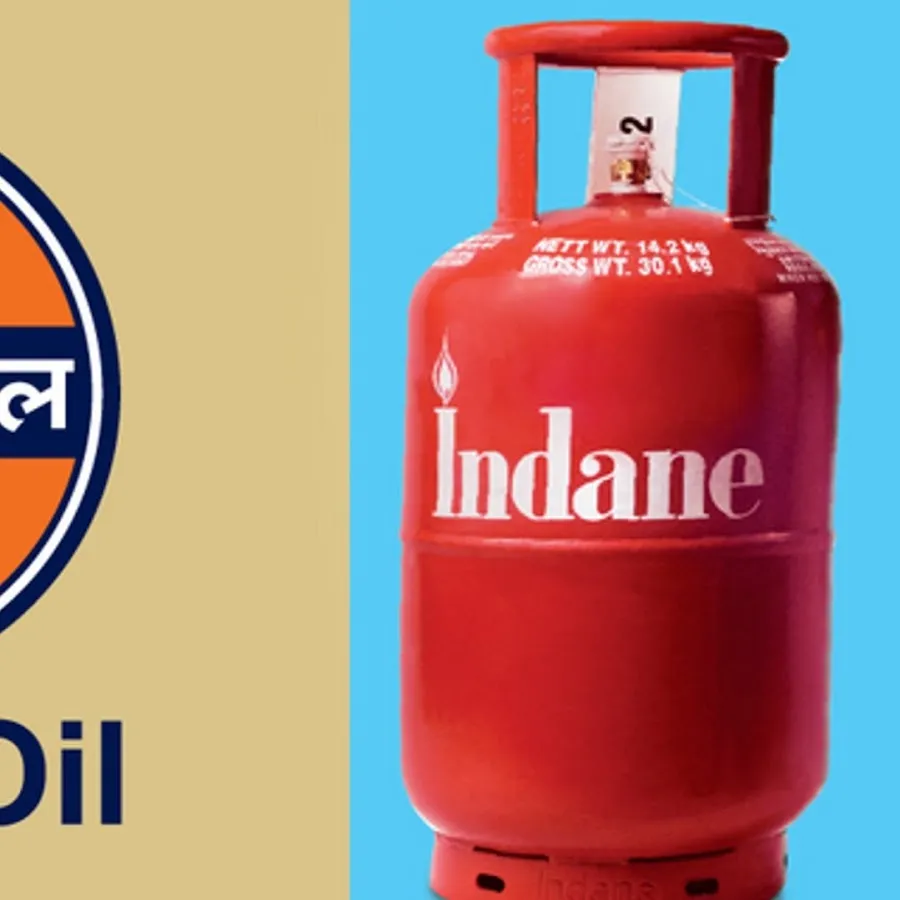
In the fiscal year 2024-25, India consumed 31.3 million tonnes of LPG but only produced 12.8 million tonnes domestically. This heavy reliance on imports has led to significant challenges in maintaining supply levels, especially as the price of a 14.2kg domestic LPG cylinder has surged by Rs 60, now costing Rs 913 in Delhi.
The Ministry of Petroleum and Natural Gas has responded to the crisis by ordering all refineries to maximize LPG production for household cooking. Approximately 33 crore active LPG connections are at risk, as domestic cooking needs take precedence over commercial requirements, according to the ministry’s emergency order.
Public sector oil marketing companies (OMCs) have locked in 2.2 million tonnes of imports from the US Gulf Coast for 2026, which accounts for about 10% of India’s annual LPG needs. However, the situation remains precarious as GAIL reported that its long-term supplier, Petronet LNG Limited, issued a force majeure notice, effectively reducing LNG allocations to zero.
About 54% of India’s total natural gas consumption is met through liquefied natural gas (LNG) imports, with a significant portion coming through the Strait of Hormuz. This dependency has made total price protection challenging, particularly as the crisis intensified last week when QatarEnergy declared a production stoppage for LNG and associated products, affecting one of India’s top suppliers.
GAIL is currently assessing the situation regarding potential supply curtailments that may need to be imposed on its downstream customers. The exact impact of the ongoing West Asia conflict on future gas supplies remains unclear, and the long-term viability of production at current spot prices is in question.
As the situation develops, observers are closely monitoring the implications for India’s energy security and household cooking needs. Details remain unconfirmed regarding how long these disruptions may last and what measures will be taken to stabilize the market.