Escalation of Conflict in the Middle East
On March 11, 2026, the ongoing conflict involving Iran, Israel, and the United States continues to escalate, following the war that began on February 28, 2026. This war was ignited by the assassination of Iran’s Supreme Leader and several top officials, which has led to significant military actions and civilian casualties in the region.
Iran’s Conditions for Peace
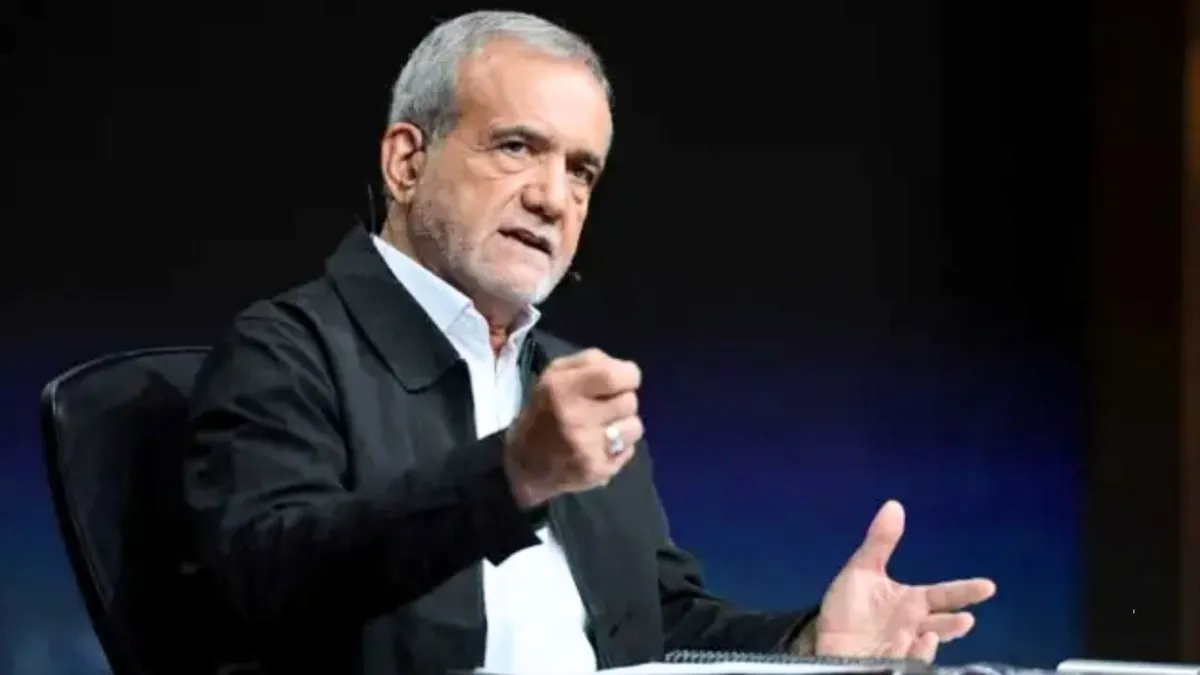
In a recent statement, Iran’s President Masoud Pezeshkian outlined three conditions necessary to end the war: recognition of Iran’s legitimate rights, compensation for the damages caused by the conflict, and firm international guarantees against future attacks. Pezeshkian emphasized that military pressure alone will not bring about a resolution to the ongoing hostilities, stating, “The only way to end this war — ignited by the Zionist regime and U.S. — is recognising Iran’s legitimate rights, payment of reparations, and firm international guarantees against future aggression.”
Wider Regional Implications
The conflict has not only resulted in significant destruction within Iran but has also raised alarms about potential wider regional repercussions. Iranian military officials have warned that any attack on its ports could trigger a broader response, with Abolfazl Shekarchi stating, “If our ports and docks are threatened, all ports and docks in the region will be our legitimate targets.” This statement underscores the potential for the conflict to escalate beyond its current boundaries.
Israeli Perspective
Israeli officials have expressed skepticism regarding the effectiveness of military actions in leading to the collapse of Iran’s political system. Despite the ongoing military pressure, they believe that Iran’s resilience may prolong the conflict. The situation remains tense, with both sides preparing for further military engagements.
Humanitarian Impact
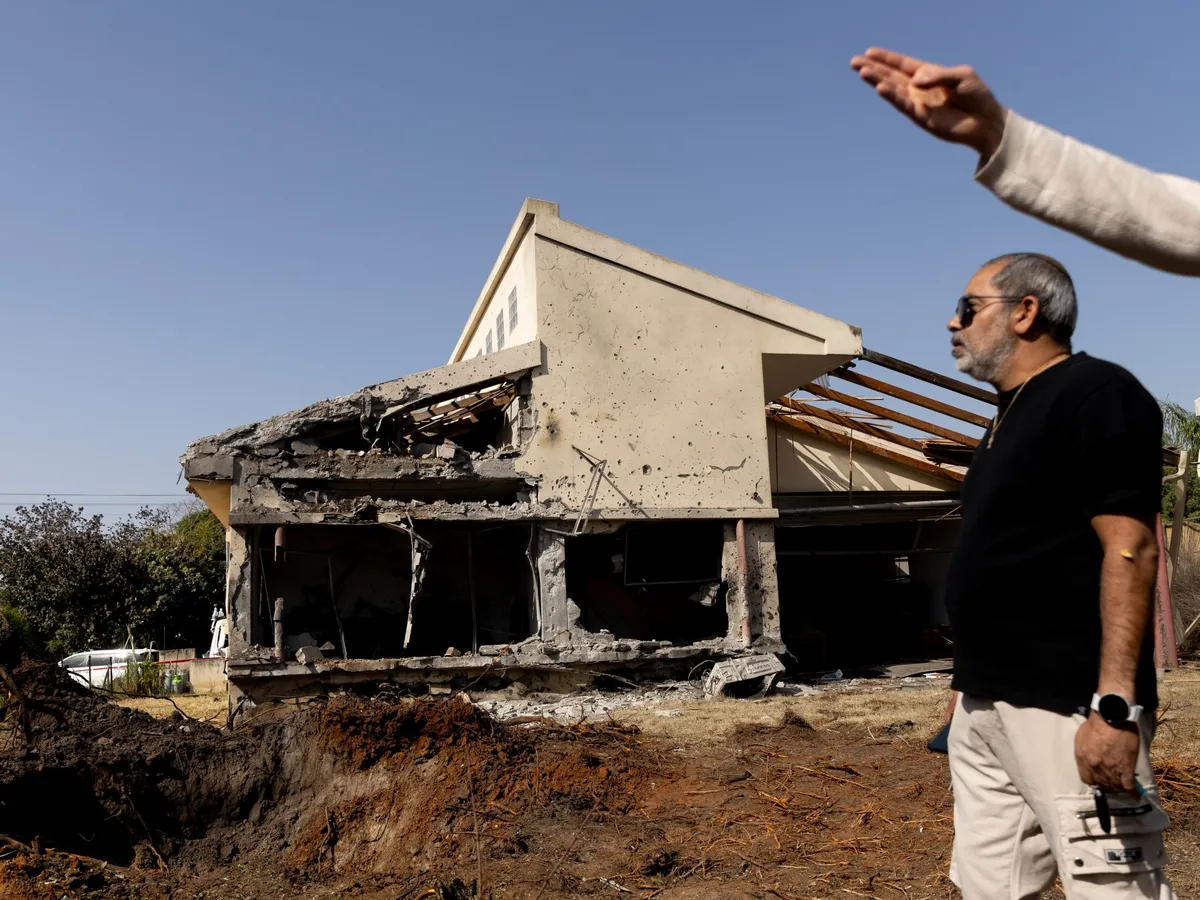
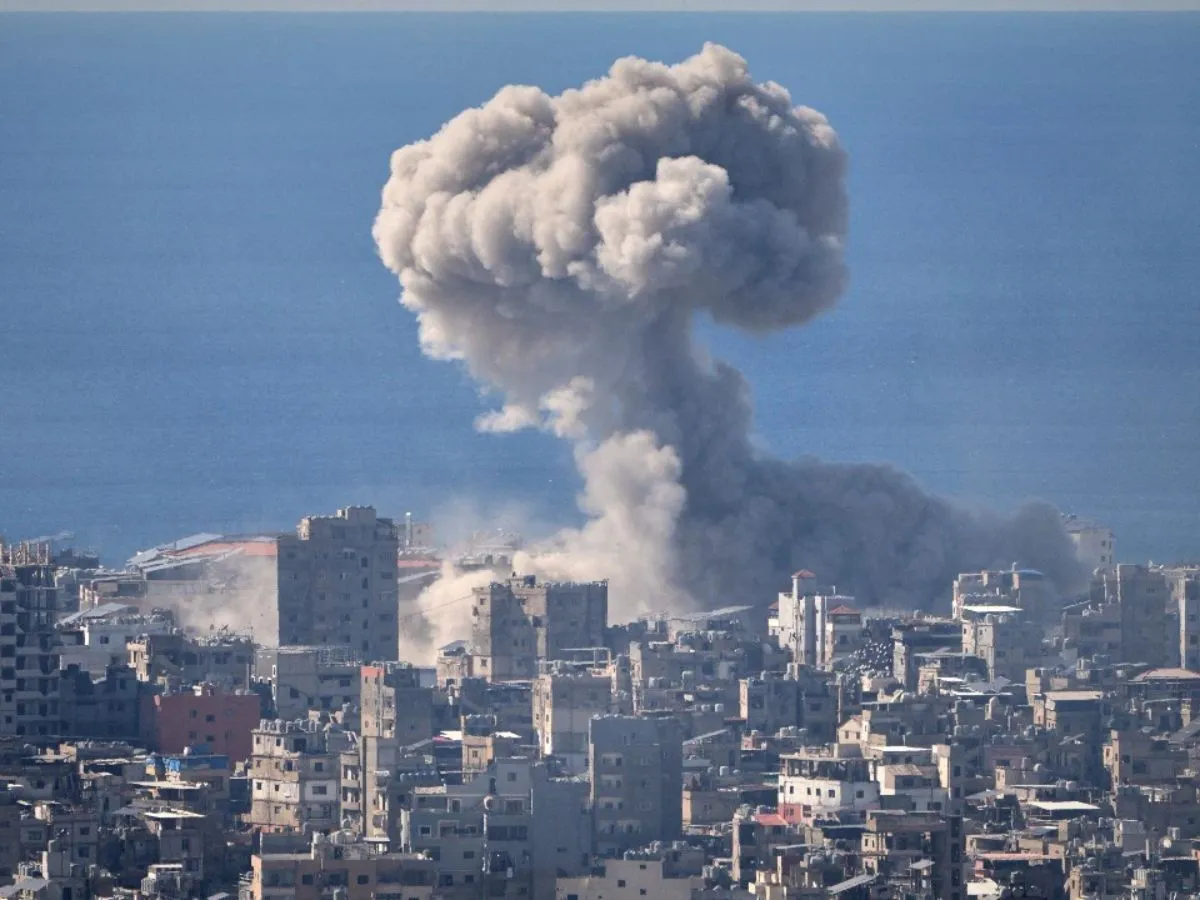
The war has led to significant civilian casualties and widespread destruction of infrastructure in Iran. Reports indicate that the humanitarian situation is deteriorating, exacerbated by ongoing international sanctions that have further weakened Iran’s economy. The conflict has also impacted global shipping routes and energy markets, with Brent crude prices soaring to $100 per barrel due to the instability in the region.
International Reactions
As the situation unfolds, international reactions are varied. While some countries call for immediate ceasefire and negotiations, others are taking sides, complicating the prospects for peace. Iranian officials maintain that they are open to dialogue but insist on addressing the damages caused by the conflict first. Mohammad-Bagher Ghalibaf, a prominent Iranian politician, stated, “The aggressor must be punished and taught a lesson that will deter them from attacking Iran again.”
Looking Ahead
The conflict continues to evolve, and details remain unconfirmed as both sides prepare for what may be a prolonged engagement. The international community watches closely, with hopes for a resolution that addresses the underlying issues contributing to the ongoing violence.