Background and Expectations
Before the recent developments, the political landscape in Iran was largely dominated by Ali Khamenei, who had served as the Supreme Leader since 1989. His leadership was characterized by a firm grip on power and a significant influence over both domestic and foreign policies. The expectation was that he would continue to guide the nation, especially amid rising tensions with Israel and the West. However, the sudden shift in leadership dynamics was unforeseen.
Decisive Change
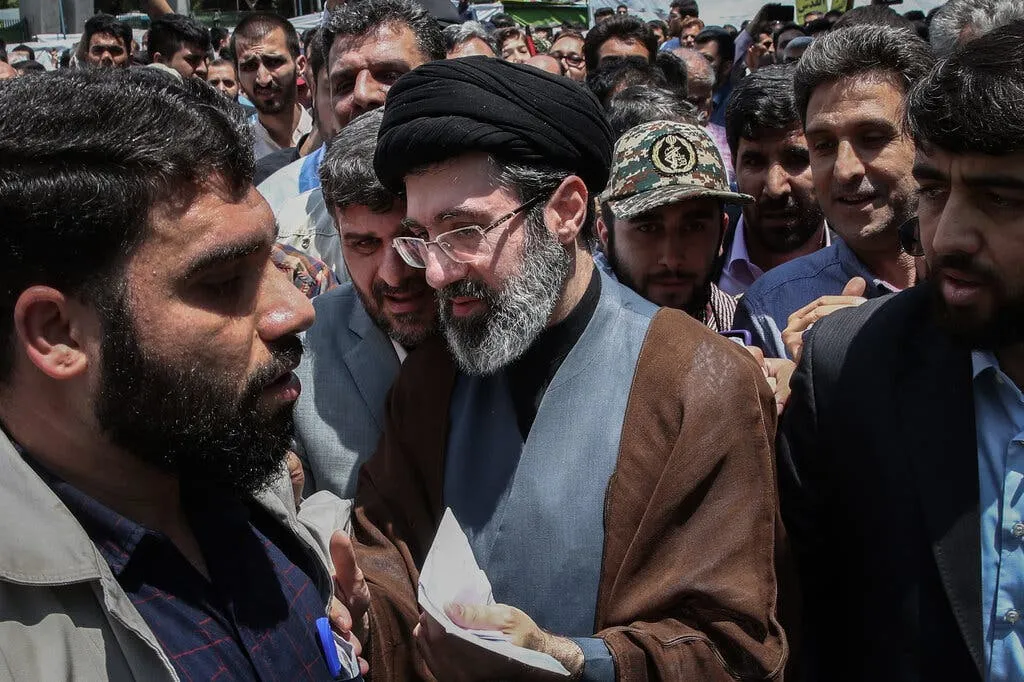
The decisive moment came on February 28, 2026, when an Israeli airstrike targeted a convoy in which Mojtaba Khamenei was present. This attack resulted in the death of his father, Ali Khamenei, along with other family members, including his mother and wife. Just days later, on March 8, 2026, Mojtaba Khamenei was appointed as Iran’s Supreme Leader, marking a significant transition in leadership. Despite his new role, he has not been seen in public since his appointment, raising concerns about his health and ability to lead.
Immediate Effects
The immediate aftermath of the airstrike has had profound effects on the Iranian political landscape. The Islamic Revolutionary Guards Corps (IRGC) and military forces quickly pledged their allegiance to Mojtaba Khamenei following his nomination, indicating a desire for continuity in leadership. However, public sentiment has been mixed, with reports of opposition manifesting in protests, including chants of “Death to Mojtaba!” in Tehran. This public dissent highlights the challenges he may face in consolidating power.
Health Concerns and Speculation
As details about the airstrike emerged, speculation regarding Mojtaba Khamenei’s health intensified. Iranian officials have stated that he is safe but has sustained injuries, with some reports suggesting he may be in a coma. Israeli intelligence has indicated that he suffered leg injuries during the attack, but the full extent of his injuries remains unclear. Details remain unconfirmed.
Expert Perspectives
Experts have weighed in on the implications of this leadership change. Yousef Pezeshkian, an Iranian politician, expressed relief at the news of Khamenei’s safety, stating, “I heard news that Mr. Mojtaba Khamenei had been injured. I have asked some friends who had connections. They told me that, thank God, he is safe and sound.” However, the broader implications of his leadership remain uncertain, with some analysts suggesting that if he survives, he could become a symbol of resilience for the regime.
Political Landscape Ahead
The political landscape in Iran is now at a crossroads. The IRGC’s support for Mojtaba Khamenei indicates a desire for stability, yet the public’s reaction suggests that he may face significant challenges in gaining legitimacy. As one Iranian journalist noted, “The important point is the management of the country,” highlighting the need for effective governance during this turbulent time. Moreover, there are claims that he may delegate power to other officials due to his injuries, further complicating the leadership structure.
As Iran navigates this unprecedented transition, the future of Mojtaba Khamenei’s leadership remains uncertain. With public opposition and health concerns looming, the coming months will be critical in determining how he will fulfill his duties as Supreme Leader. The situation continues to evolve, and the international community is closely monitoring developments in Iran.