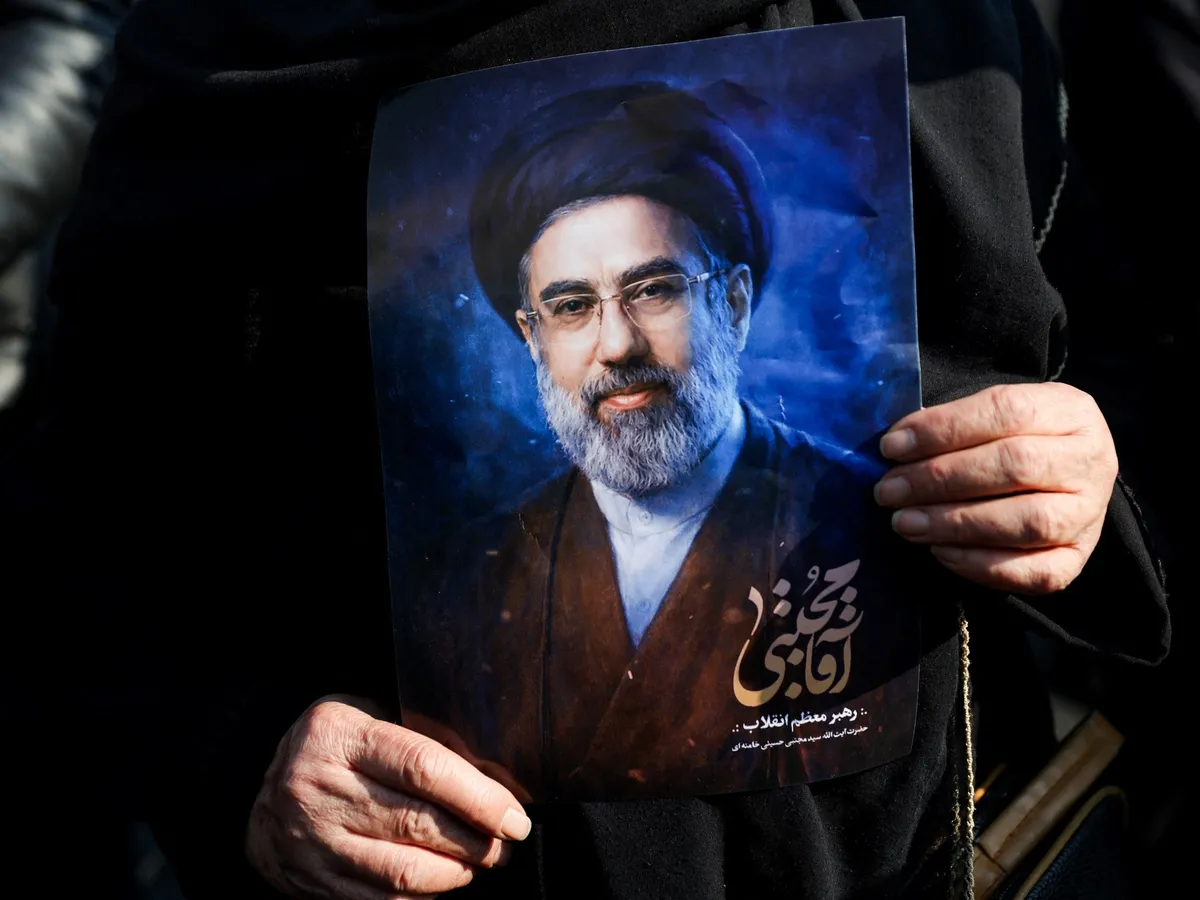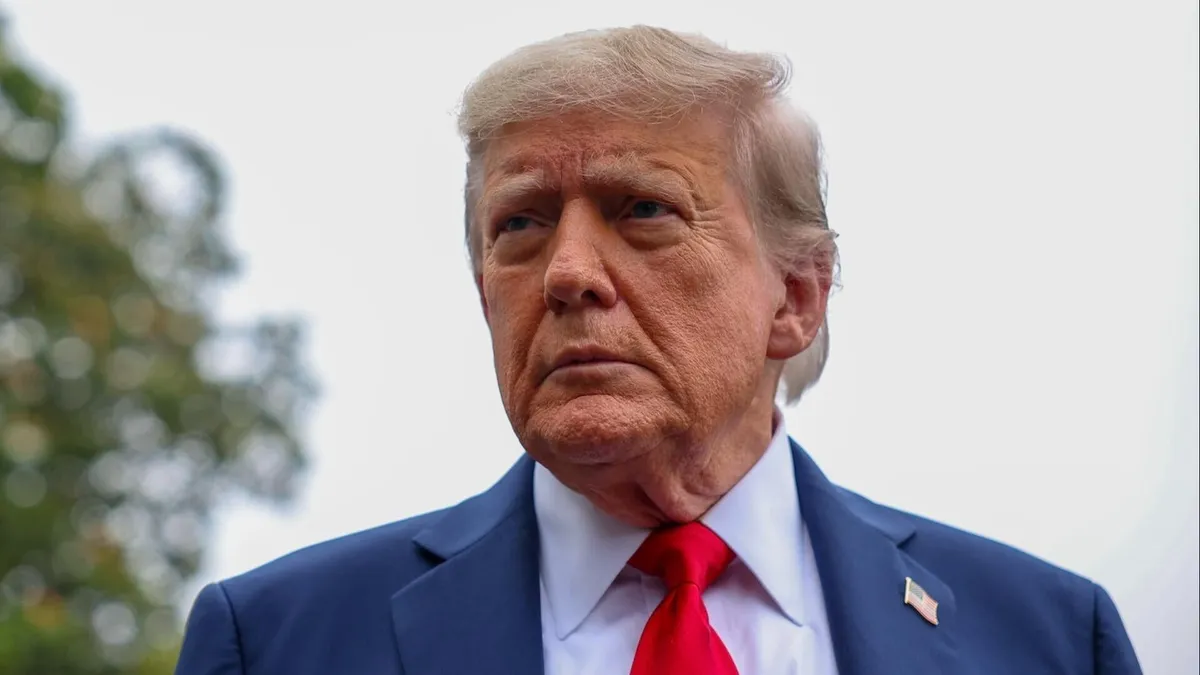
The war launched by the United States and Israel against Iran has entered its 24th day as of March 23, 2026. The conflict escalated significantly following the US-Israeli strikes that resulted in the death of Iranian Supreme Leader Ali Khamenei on February 28, 2026. Since then, military actions have intensified across the region, with Iran responding aggressively.
On March 22, 2026, a US-Israeli attack targeted a radio transmitter in Bandar Abbas, resulting in the death of one individual. This incident is part of a broader pattern of attacks that have seen significant civilian and military casualties. In Urmia city, an airstrike flattened residential buildings, prompting rescuers to search for survivors amidst the rubble.
In a related development, Saudi Arabia reported that two ballistic missiles were launched towards Riyadh, with one successfully intercepted. The UAE also reported minor injuries to an Indian national due to falling debris from an intercepted missile. These incidents highlight the regional implications of the ongoing conflict, as neighboring countries face direct threats.
Amidst these military actions, Iran officials have firmly denied any negotiations or discussions with the United States regarding a potential end to the war, stating, “Iran said no negotiations or discussions with the United States have taken place since the war began.” This statement underscores the ongoing tensions and the lack of diplomatic avenues for resolution.
On the international front, the UK has summoned Iran’s ambassador to express criticism over Tehran’s actions, reflecting the broader geopolitical ramifications of the conflict. Meanwhile, the US Senate’s minority leader has called for an end to the military operation against Iran, indicating a growing divide in US political opinion regarding the war.
As the conflict continues, the Pentagon is seeking an additional $200 billion in funding to sustain military operations, highlighting the financial strain of the prolonged engagement. Reports indicate that at least 1,029 people have been killed in Israeli strikes in Lebanon since March 2, 2026, further complicating the humanitarian situation in the region.
Iran has launched thousands of drones towards Israel in retaliation for the strikes, showcasing the asymmetric warfare tactics employed by Tehran. As military resources are depleted, experts warn that the US and Israel are deploying costly sophisticated weaponry against the less expensive arms used by Iran. Stephen Flynn noted, “We are using them far quicker than we can replace them,” emphasizing the unsustainable nature of the current military strategy.
The situation remains fluid, with conflicting claims over peace talks between the US and Iran remaining unconfirmed. As the war continues to unfold, the implications for regional stability and international relations remain profound.