Pakistan’s Emergency Measures
On March 10, 2026, Pakistan announced sweeping emergency austerity and fuel conservation measures in response to severe disruptions in oil and gas supply caused by the ongoing Iran war. The conflict has significantly impacted the Strait of Hormuz, a vital waterway for traded oil, exacerbating the energy crisis in the region.
Pakistan, which relies on imports for more than 80 percent of its oil needs, has seen its oil imports total $10.71 billion between July 2025 and February 2026. The recent disruptions have triggered the largest fuel price increase in the country’s history, with petrol prices rising to $1.15 per litre and diesel to $1.20 per litre, marking a 20 percent increase since the previous week.
Impact on Households
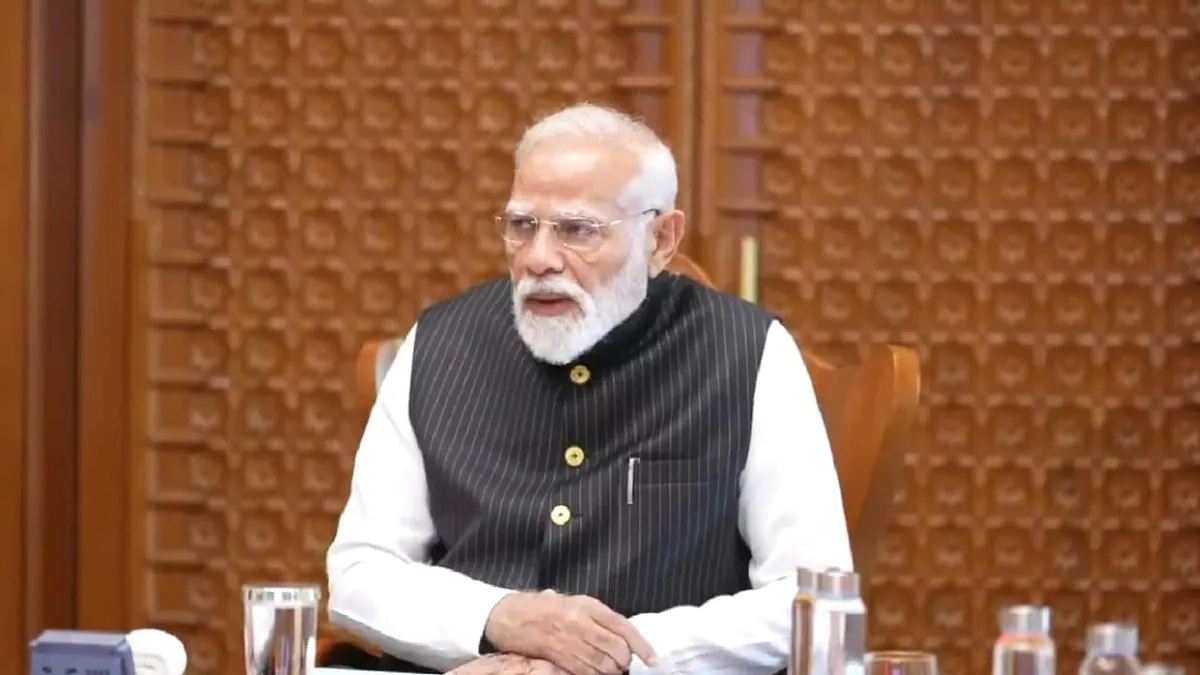
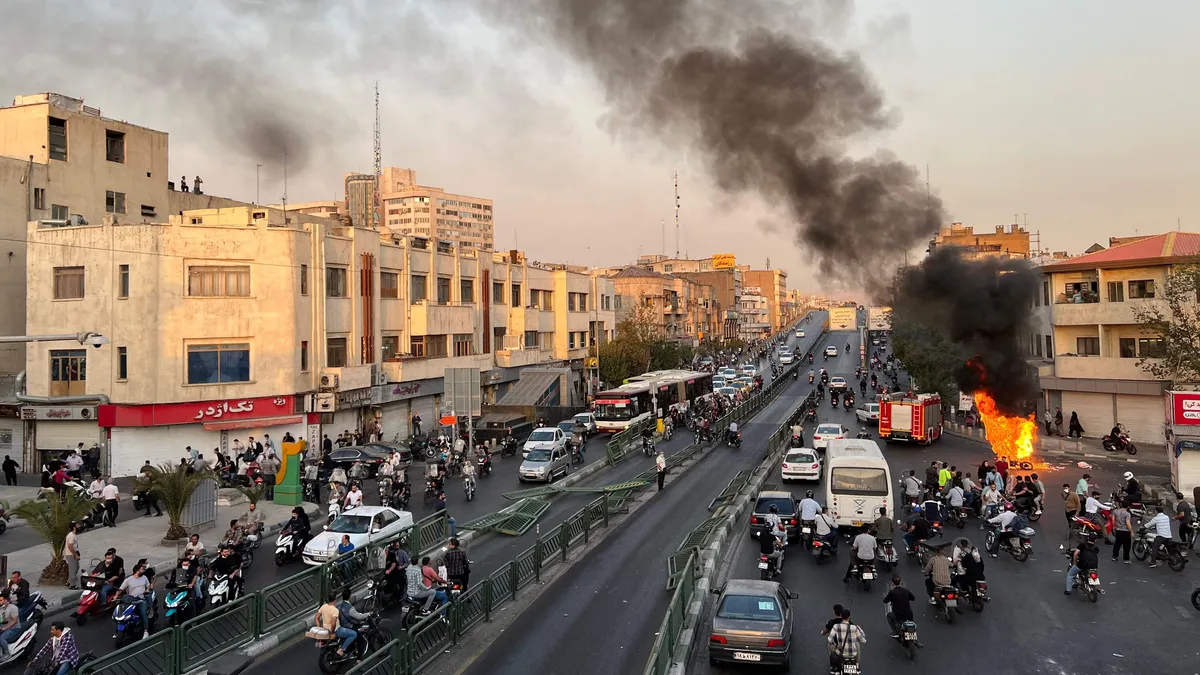
The fuel crisis has emerged during the final days of Ramadan, significantly affecting household budgets across Pakistan. Prime Minister Shehbaz Sharif remarked, “The entire region is currently in a state of war,” highlighting the broader implications of the conflict on everyday life.
Amer Zafar Durrani, an energy expert, noted that “Transport dominates petroleum consumption,” indicating that the rising fuel costs will have a direct impact on transportation and logistics within the country. He further warned that “The biggest risk does not come from oil prices alone. The real macroeconomic trigger is currency depreciation,” suggesting that the economic fallout could extend beyond just fuel costs.
US Military Actions
As the situation unfolds, the United States has intensified its military actions against Iran, with Defense Secretary Pete Hegseth stating, “Today will be yet again our most intense day of strikes inside Iran.” This escalation aims to dismantle Iran’s missile capabilities and defense industrial base, further complicating the geopolitical landscape.
Details remain unconfirmed regarding the full extent of the military operations and their potential impact on oil supplies. Qatar remains Pakistan’s primary LNG supplier, with cargoes also passing through the critical Strait of Hormuz, emphasizing the interconnectedness of regional energy security.
The ongoing conflict in the Middle East continues to have significant implications for global oil supply and prices, with countries like Pakistan feeling the immediate effects of the Iran war oil crisis.