How it unfolded
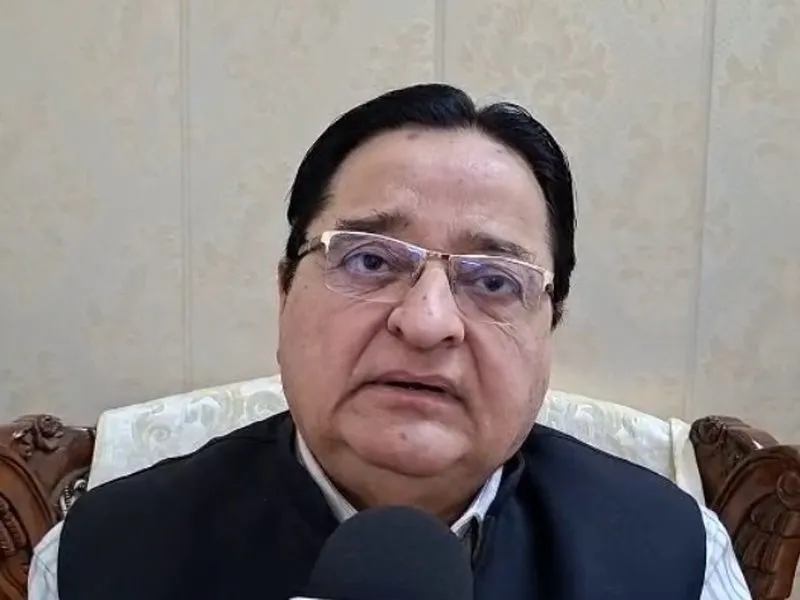
On March 19, 2026, a significant controversy erupted in Uttar Pradesh, Pakistan, surrounding the film ‘Dhurandhar 2’. The film has been criticized for allegedly linking notorious criminal Atiq Ahmed to the Inter-Services Intelligence (ISI), Pakistan’s premier intelligence agency. S.T. Hasan, a prominent political figure, publicly condemned the film, asserting that the police are well aware of the connections between various individuals involved, stating, “Who they were connected to and who they were not, our police know this very well.” This statement reflects the broader concerns about the portrayal of criminal and political figures in media.
Despite the film’s implications, intelligence agencies have not confirmed any links between Atiq Ahmed and the ISI. This lack of confirmation has led to further scrutiny of the film’s narrative and its potential impact on public perception. Hasan’s criticism is part of a larger discourse among political leaders, with Waris Pathan, another political figure, expressing concerns about efforts to spread hatred within the country, suggesting that the film may serve as a catalyst for divisive sentiments.
In the backdrop of this controversy, Field Marshal Asim Munir, the head of the ISI, has issued a stark warning regarding potential shake-ups within the agency due to ongoing intelligence failures. He emphasized the urgent need for the ISI to improve its performance, stating, “Perform or perish.” This statement underscores the pressure the agency faces amid rising security challenges, particularly concerning the Tehreek-e-Taliban Pakistan (TTP), which is reported to operate a parallel government in Khyber Pakhtunkhwa.
The ISI has faced criticism for its inability to provide actionable intelligence on the TTP, which has increasingly become a significant threat to national security. The disconnect between the ISI and the military regarding operational strategies has raised alarms among security analysts, suggesting a need for a cohesive approach to counter-terrorism efforts.
Amidst these developments, law enforcement agencies in Uttar Pradesh have taken action against individuals allegedly involved in sharing sensitive information with a Pakistan-based gang. Two men, identified as Azeem Rana and Azad Rajput, were arrested, highlighting ongoing concerns about cross-border criminal activities and the potential for organized crime to exploit political narratives.
The situation remains fluid, with details still unconfirmed regarding the extent of the connections between the film’s portrayal and real-life implications for those involved. The arrests and the political fallout from the film’s release may have lasting repercussions on public trust in both media and law enforcement.
As the controversy continues to unfold, it raises critical questions about the role of media in shaping public perceptions of crime and politics in Pakistan. The intersection of entertainment and serious political discourse exemplifies the challenges faced by authorities in managing narratives that can incite public unrest or reinforce existing divisions.
In conclusion, the events surrounding ‘Dhurandhar 2’ and its implications for figures like Atiq Ahmed and the ISI reflect a complex interplay of media, politics, and security in Pakistan. The ongoing discussions and actions taken by political leaders and law enforcement will likely influence the future landscape of both the entertainment industry and national security strategies.