Recent Developments in the Israel-Iran War
As of March 1, 2026, the conflict between Israel and Iran has reached a critical juncture following a series of significant military operations. Just before the escalation, tensions had been mounting for years, with Iran’s pursuit of nuclear capabilities and its support for militant groups in the region posing ongoing threats to Israel and its allies.
On February 28, 2026, the United States and Israel launched coordinated military operations, dubbed “Epic Fury,” targeting Iran’s nuclear facilities, military infrastructure, and leadership. U.S. President Donald Trump stated that the military began these operations to defend the American people by eliminating imminent threats from the Iranian regime. Israeli Prime Minister Benjamin Netanyahu echoed this sentiment, asserting that Israel acted to remove the existential threat posed by Iran.
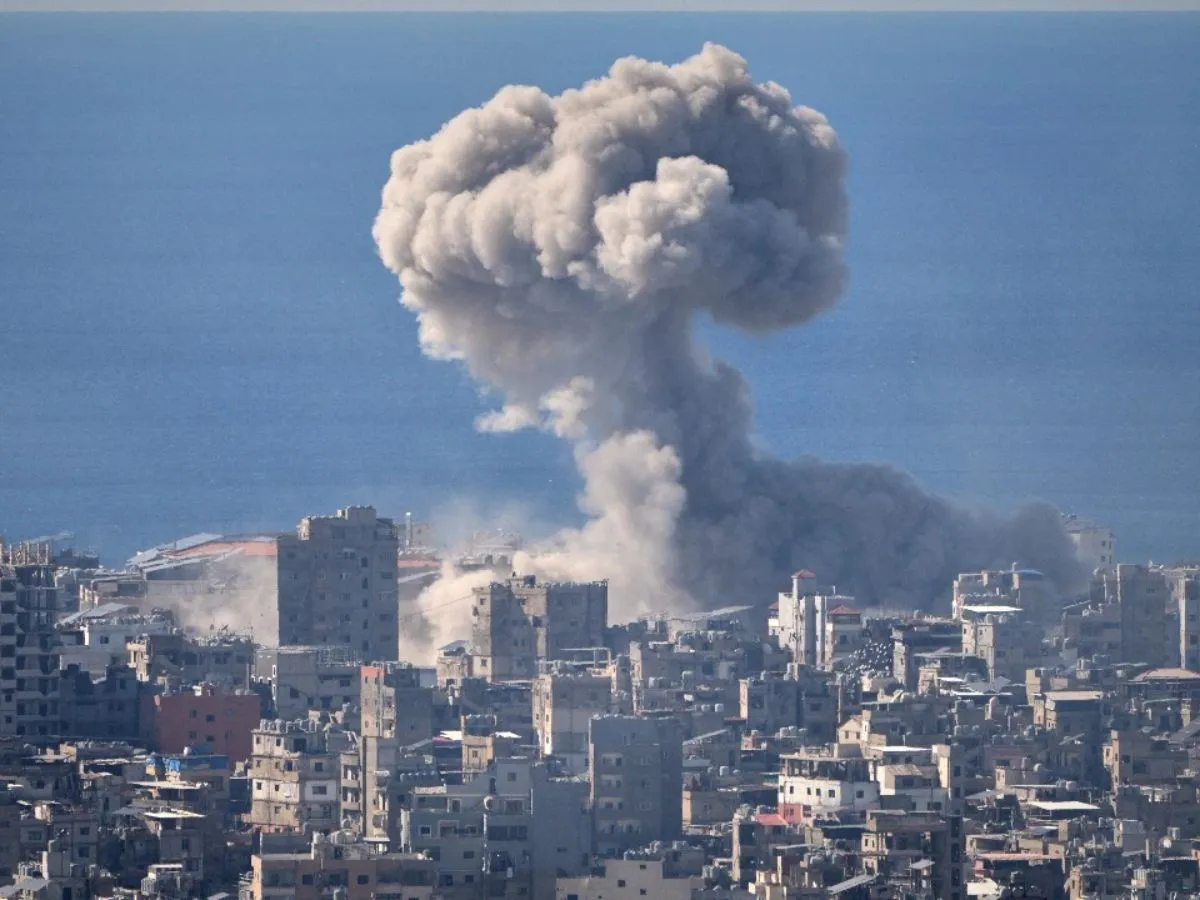
Since the conflict began, Iran has launched over 180 ballistic missiles toward Israel, resulting in 14 civilian deaths and more than 2,000 injuries within Israel. The Iranian missile attacks have also extended to the Gulf region, causing approximately 30 civilian casualties outside of Israel. In response, Israeli officials reported that the Israel Defense Forces have successfully destroyed over 300 Iranian ballistic missile launchers, which accounts for roughly 60% of Iran’s operational launch capacity.
In the wake of these military actions, Iran’s missile attacks have seen a dramatic decline, with ballistic missile launches down about 90% from the initial day of the war. This reduction is attributed to the combined efforts of U.S. and Israeli forces, which have severely degraded Iran’s missile and drone capabilities. However, the conflict has not been without its challenges, as Hezbollah has intensified its attacks on Israel, launching rockets, missiles, and drones from southern Lebanon.
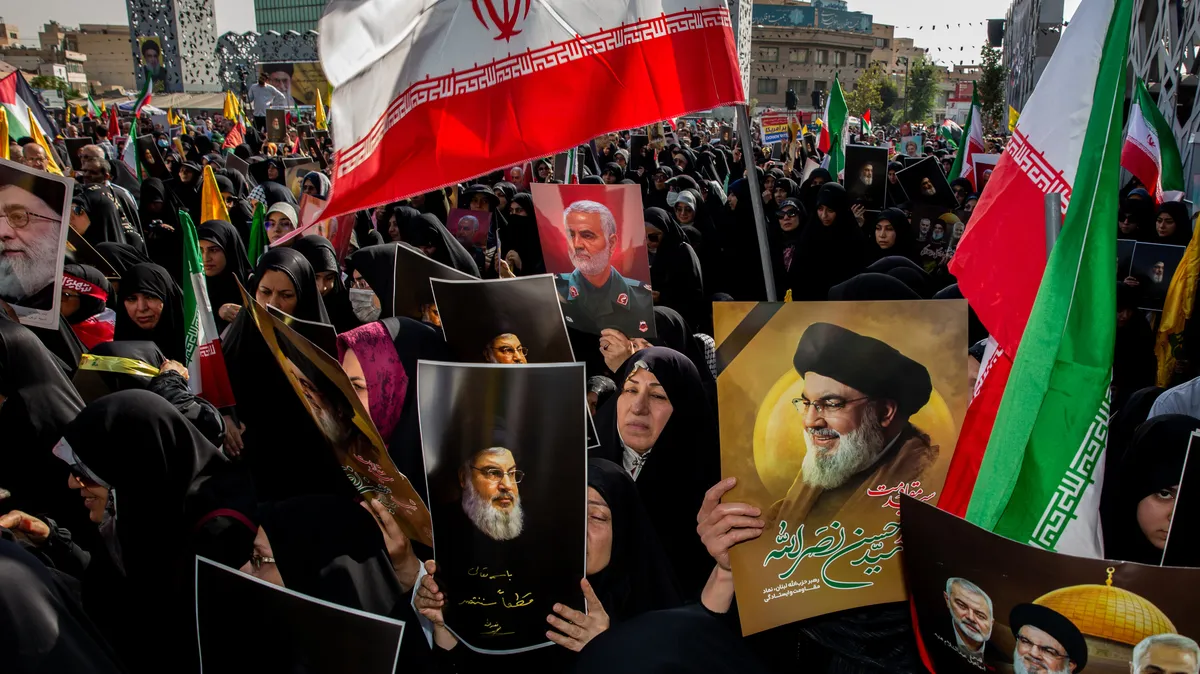
Amidst the turmoil, a significant leadership change has occurred in Iran. Mojtaba Khamenei has been appointed as the new supreme leader following the death of his father, Ali Khamenei. In the interim, Iranian authorities have established a temporary leadership council to oversee the transition until a new supreme leader is officially chosen. This shift in leadership may influence Iran’s strategic decisions moving forward.
Iranian strikes have also targeted locations associated with U.S. forces, including facilities linked to the U.S. Fifth Fleet in Bahrain. These actions highlight the broader implications of the conflict, as it not only affects Israel and Iran but also involves U.S. interests in the region. The ongoing military operations and retaliatory strikes have created a complex and volatile situation that could lead to further escalation.
The current status of the Israel-Iran war is precarious, with both sides continuing to engage in military operations. The recent developments underscore the importance of international attention and potential diplomatic efforts to mitigate the conflict. As the situation evolves, the implications for regional stability and security remain significant for all parties involved.
Details remain unconfirmed regarding the full extent of casualties and damage on both sides as the conflict continues to unfold.