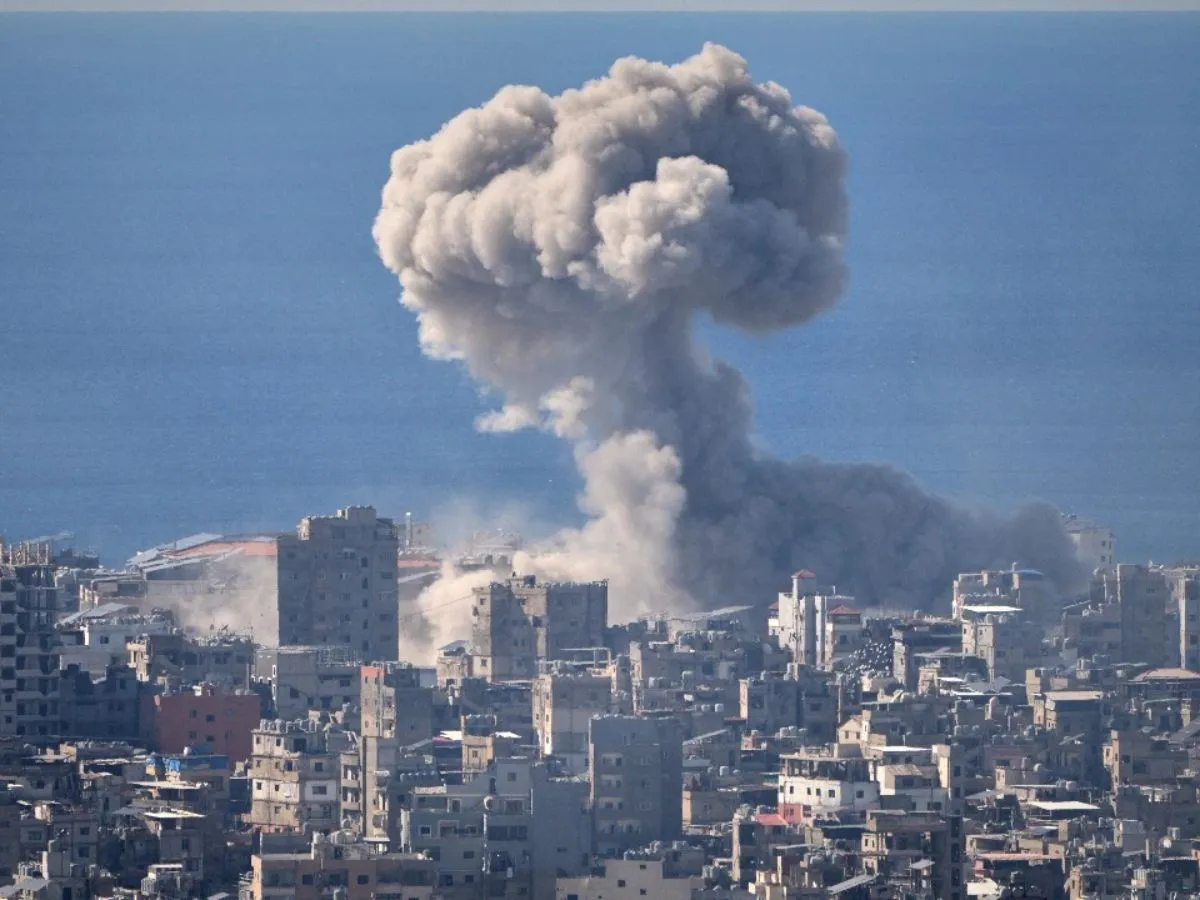
The ongoing Israel-Iran war has reached a critical juncture as military actions intensify, particularly in the strategically vital Strait of Hormuz. This escalation poses a direct threat to Gulf security, shipping, and the global economy, with Brent oil prices soaring to $100 per barrel amid fears of further disruptions.
Recent reports indicate that the United States and Israel have significantly ramped up their military operations against Iran, targeting two-thirds of the country’s missile and drone production facilities. In retaliation, Iran has launched strikes against Israel and several Gulf nations, with Iranian Foreign Minister Abbas Araghchi asserting that Tehran will continue its “resistance” and has no intention of negotiating.
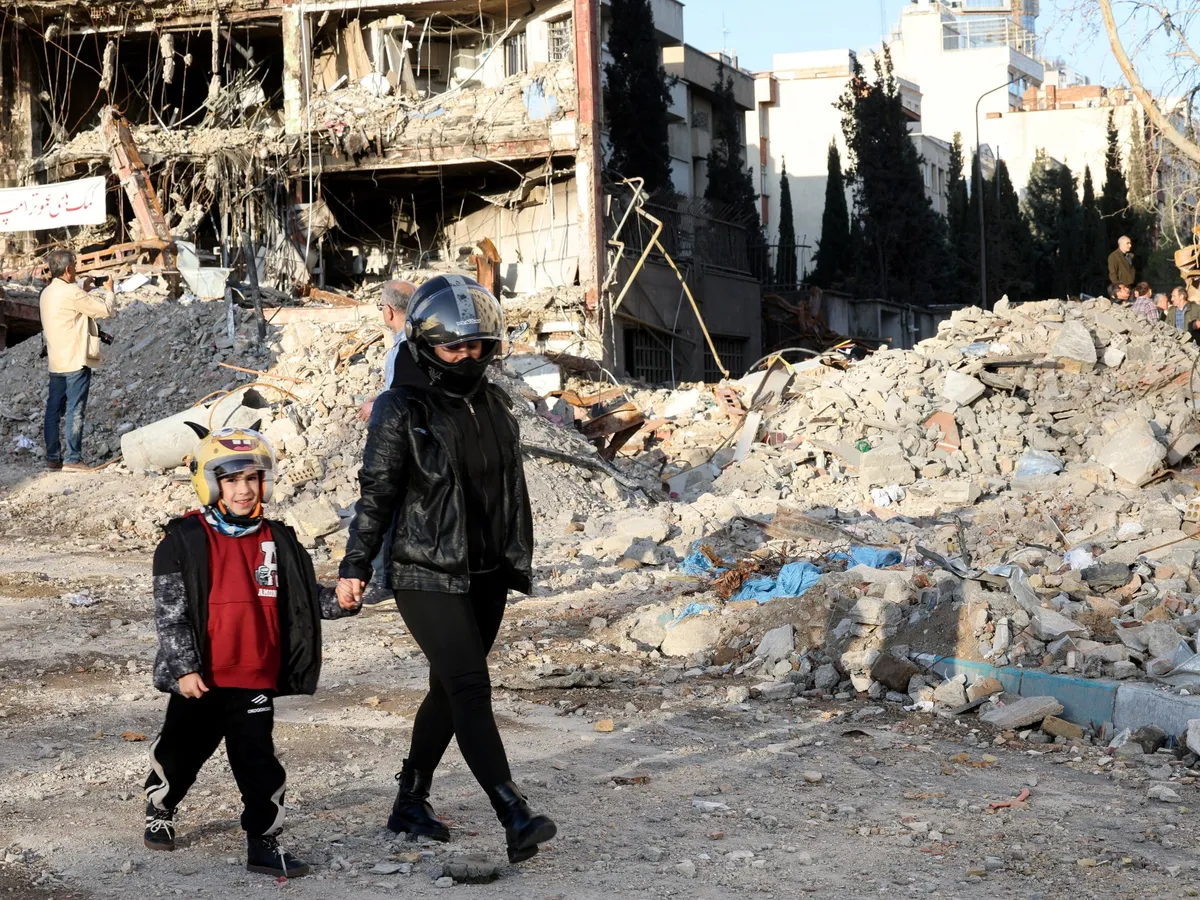
The situation has become increasingly volatile, with Israel conducting strikes on infrastructure targets in Tehran. Notably, a Thai-flagged cargo vessel was struck by projectiles in the Strait of Hormuz, leading to the vessel running aground near Iran’s Qeshm Island. This incident resulted in six injuries in Israel from Iranian missiles, highlighting the conflict’s immediate human toll.
Iran has also issued warnings that its adversaries may attempt to occupy one of its islands with support from a regional ally, further escalating tensions. The Iranian parliament is reportedly preparing a draft law to impose tolls on ships transiting the Strait of Hormuz, a critical waterway for global oil shipping.
The Gulf Cooperation Council has condemned Iran’s military actions and its closure of the Strait of Hormuz, emphasizing the regional implications of the conflict. Meanwhile, Hezbollah has vowed to continue its confrontation against Israel and the United States, indicating that the conflict may expand beyond the immediate participants.
International concerns are mounting, with the International Atomic Energy Agency (IAEA) expressing deep worry over strikes near Iran’s Bushehr Nuclear Power Plant. IAEA Director Rafael Grossi stated, “I am deeply concerned about the latest reported strikes near the Bushehr plant,” underscoring the potential for a broader crisis.
As the conflict enters its 27th day, the United States is reportedly considering deploying an additional 10,000 ground troops to the Middle East, further complicating the geopolitical landscape. Former President Trump indicated that US military operations against Iran are ahead of schedule, suggesting a potential escalation in American involvement.
Details remain unconfirmed regarding the full extent of the military operations and their implications for regional stability. The situation remains fluid, with further developments expected as both sides prepare for continued confrontation.