What does Italy’s failure to qualify for the FIFA World Cup mean for the future of its football? It signifies a troubling trend, as this marks the third consecutive time the national team has missed out on the prestigious tournament.
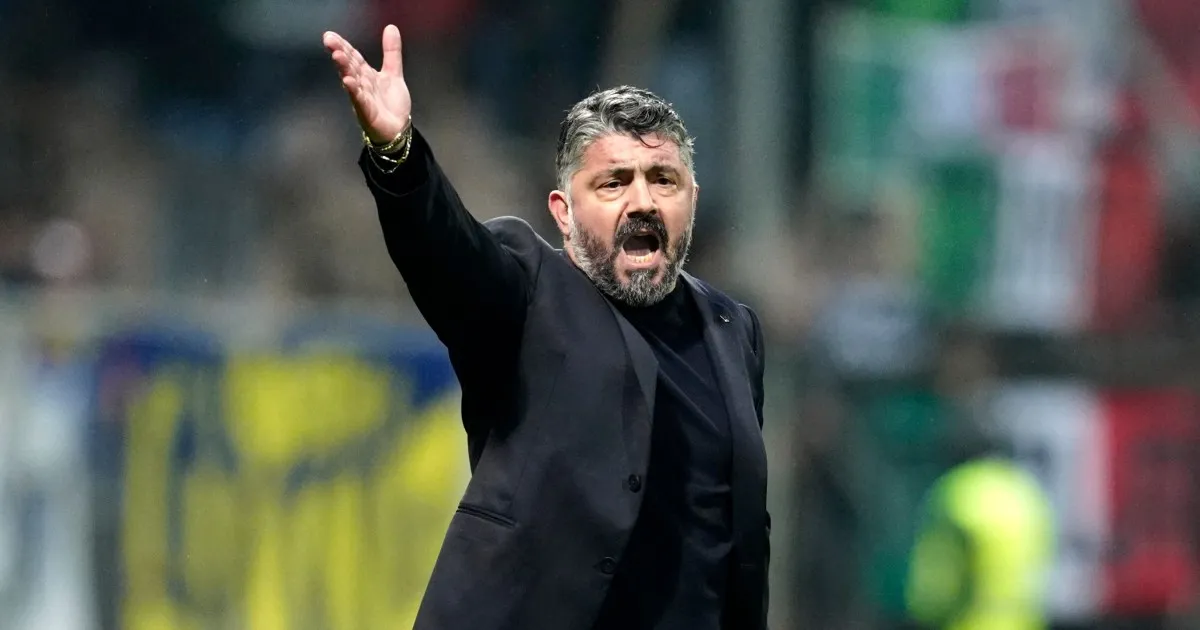
Italy’s journey to the 2026 World Cup ended in disappointment when they lost to Bosnia and Herzegovina in a penalty shootout during the qualifying playoffs. This defeat came after a promising start, where Italy had won five group games under coach Gennaro Gattuso, only to falter against Norway.
Gennaro Gattuso, who had been appointed in June 2025 on a one-year contract, stepped down following the failure to qualify. “With a heavy heart, having failed to achieve the goal we had set ourselves, I consider my time in charge of the national team to be over,” he stated. His resignation followed closely on the heels of Gabriele Gravina’s resignation as president of the Italian Football Federation.
Italy’s last appearance in the FIFA World Cup was in 2014, and since then, the nation has struggled to regain its former glory. The decline of Italian football has been a topic of concern, particularly since the Calciopoli scandal, which has had lasting effects on the sport in the country.
Roberto Baggio, a legendary figure in Italian football, had proposed a complete overhaul of the system back in 2010, highlighting the need for significant changes to restore Italy’s footballing prestige. Despite winning four World Cups, the current state of Italian football raises questions about its future.
As of 2026, only two Italian clubs remain in European competitions, a stark contrast to the dominance Italy once held in international football. The revenue drop in Serie A during the 2006–07 season, which saw a 17 percent decline, further illustrates the challenges facing the league.
Gianluigi Buffon, another iconic player, along with Gravina, has been part of the discussions surrounding the future of Italian football. Gattuso expressed gratitude towards them, saying, “I would like to thank President Gabriele Gravina and Gianluigi Buffon, along with everyone at the Federation, for the trust and support they have always shown me.”
Looking ahead, the Italian football federation faces critical decisions on how to rebuild and improve the national team. The future remains uncertain, but the need for change is clear as Italy grapples with its footballing identity.