“I am confident that their spirit of patriotism will continue to inspire everyone to move forward on the path of national service with dedication and loyalty,” stated Droupadi Murmu, the President of India, during a recent commemoration of the Jallianwala Bagh massacre.
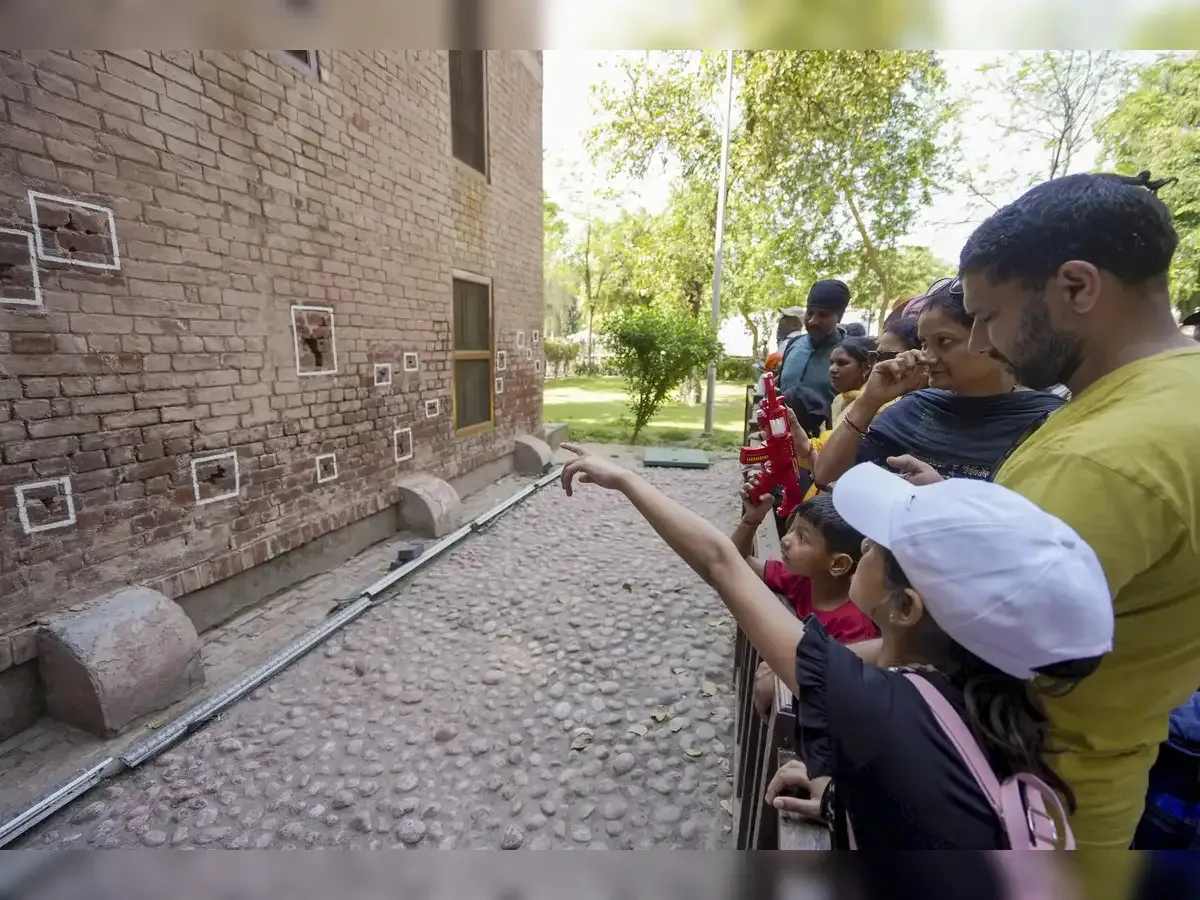
This tragic event, which occurred on April 13, 1919, in Amritsar, India, marked a significant turning point in the country’s struggle for independence. Colonel Reginald Dyer ordered the firing on unarmed civilians gathered at Jallianwala Bagh, resulting in a horrific loss of life. Reports indicate that a total of 1,650 rounds were fired in just ten minutes, leading to the martyrdom of at least 379 individuals, according to records from the British Raj.
The massacre was a direct response to widespread protests against the Rowlatt Act, which allowed the British government to imprison Indians without trial. This draconian measure incited anger and unrest among the Indian populace, culminating in the tragic events at Jallianwala Bagh.
In her tribute, Murmu emphasized the importance of remembering those who lost their lives, stating, “Nation will always remain grateful to them.” The Deputy Commissioner’s Office of Amritsar has documented 484 martyrs from the massacre, while the Jallianwala Bagh memorial itself lists 388 names, underscoring the profound impact of this event on the collective memory of the nation.
Prominent figures such as Gurudev Rabindranath Tagore publicly protested against the massacre by returning his knighthood, highlighting the widespread outrage that resonated across India and beyond. The Jallianwala Bagh massacre remains a symbol of courage and resistance against colonial oppression.
As India continues to honor the legacy of those who sacrificed their lives, the memory of the Jallianwala Bagh massacre serves as a reminder of the ongoing struggle for justice and freedom. The spirit of the martyrs, as expressed by President Murmu, continues to inspire generations in their pursuit of national service and dedication to the country.