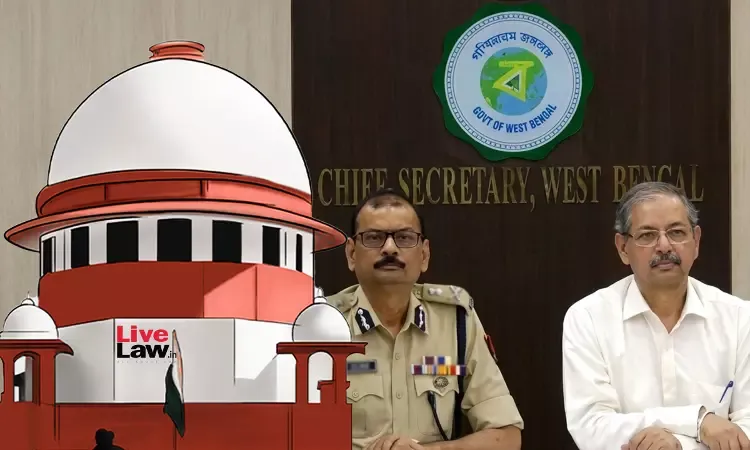
What does the recent hostage situation involving judicial officers in West Bengal reveal about the state of judicial safety and communication in the region? The incident, which saw seven judicial officers taken hostage during their duty related to the Special Investigation Report (SIR) of electoral rolls, has raised significant concerns about the effectiveness of the administration’s response and the safety of judicial personnel.
On April 6, 2026, the Supreme Court of India intervened, halting any action against West Bengal officials regarding the violence that unfolded during this critical duty. Chief Justice of India Suryakant expressed his dissatisfaction with the Chief Secretary’s failure to respond to urgent calls during the crisis, questioning, “What is the problem? You don’t even pick up the Chief Justice’s phone?” This pointed inquiry underscores the gravity of the situation and the perceived lack of accountability within the state’s administration.
Justice Joymalya Bagchi also weighed in on the matter, highlighting the communication breakdown that hindered effective responses to the hostage situation. He remarked, “Is the security so high that even the Chief Justice of the Calcutta High Court cannot contact you?” Such comments reflect a deep concern regarding the operational integrity of the state’s judicial and administrative systems.
The Chief Secretary, who was appointed just weeks prior on March 16, 2026, faced intense scrutiny for the administration’s inadequate response. Dushyant Nariyala, involved in the situation, expressed regret for the mismanagement, stating, “I deeply regret my mistake.” This admission points to a recognition of the failures that led to the crisis.
In addition to the hostage incident, the Supreme Court also addressed the case of Nandalal Bose’s grandson, allowing him to appeal to the appellate tribunal after his name was removed from the electoral roll. The court instructed the tribunal to expedite the decision, indicating the judiciary’s commitment to addressing electoral issues promptly.
As the situation unfolds, the implications for judicial safety and the effectiveness of communication within West Bengal’s administration remain critical areas of concern. The Supreme Court’s involvement highlights the judiciary’s role in safeguarding the rights and safety of its officers, but questions linger about the future of judicial operations in a climate marked by such violence and miscommunication.
Details remain unconfirmed regarding further actions that may be taken against those responsible for the hostage situation, and the broader implications for judicial safety in West Bengal are still being assessed. The coming days will be crucial in determining how the state addresses these pressing issues and restores confidence in its judicial system.