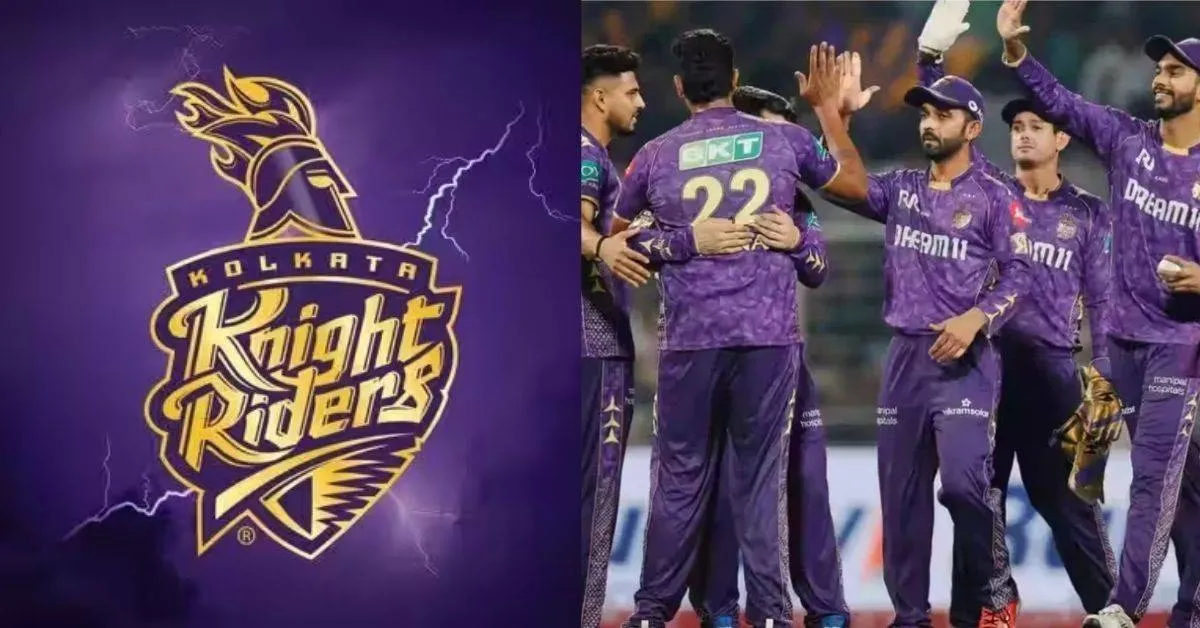
Before the start of IPL 2026, expectations were high for Kolkata Knight Riders (KKR) under the leadership of Ajinkya Rahane. Known for his calm demeanor and strategic acumen, Rahane was anticipated to steer KKR through a competitive season. However, the team faced a significant challenge in their opening match against the Mumbai Indians at Wankhede Stadium.
The decisive moment came when Rahane, who had scored an impressive 67 runs off 40 balls, had to leave the field due to cramps. This unexpected turn of events forced Rinku Singh to take over the captaincy role during the match. The immediate impact was palpable, as KKR’s dynamics shifted with a new leader at the helm.
Despite Rahane’s strong performance, the absence of their captain during a crucial phase of the match raised concerns about KKR’s ability to maintain their momentum. The Mumbai Indians, led by Hardik Pandya, capitalized on this opportunity, having previously won 24 out of 35 matches against KKR. Their confidence was bolstered by Pandya’s decision to bowl first after winning the toss, a strategy that has historically favored them.
Rahane’s departure from the field left fans and analysts speculating about the severity of his condition. While it was reported as cramps, uncertainties lingered regarding whether it was a simple issue or a more serious injury related to his calf muscle or hamstring. Details remain unconfirmed.
Adding to the intrigue, KKR fielded three overseas debutants in their playing XI, indicating a strategic shift aimed at enhancing their competitiveness. The match showcased a blend of experience and fresh talent, but the sudden change in captaincy raised questions about the team’s cohesion and adaptability.
Experts noted that the pressure on Rahane to perform was immense, especially given the historical context of KKR’s struggles against Mumbai Indians. Since 2024, KKR has only managed to win two matches against their rivals, further intensifying the stakes for this encounter.
Rahane expressed optimism about the pitch conditions, noting the unusual amount of grass at Wankhede, which could influence gameplay. “Hopefully Green starts to bowl soon and the combination will be slightly different,” he remarked, hinting at potential adjustments in strategy moving forward.
As the match progressed, the impact of Rahane’s absence became evident. The Mumbai Indians, with their strong track record at Wankhede, capitalized on the situation, further complicating KKR’s path to victory.
In summary, the match against Mumbai Indians not only tested Ajinkya Rahane’s leadership but also highlighted the vulnerabilities of KKR in a highly competitive IPL 2026. As the season unfolds, the ability of KKR to adapt and respond to such challenges will be crucial for their success.