The wider picture
The Gen Z protests were a response to longstanding issues of economic hardship and governance in Nepal. These protests, which erupted in September 2025, were marked by widespread demonstrations demanding accountability and reform from the government. Tragically, the unrest resulted in 76 deaths, including at least 19 individuals killed during police firing on September 8, 2025. The protests were fueled by frustrations over corruption and a lack of effective governance, particularly among the youth who felt their voices were not being heard.
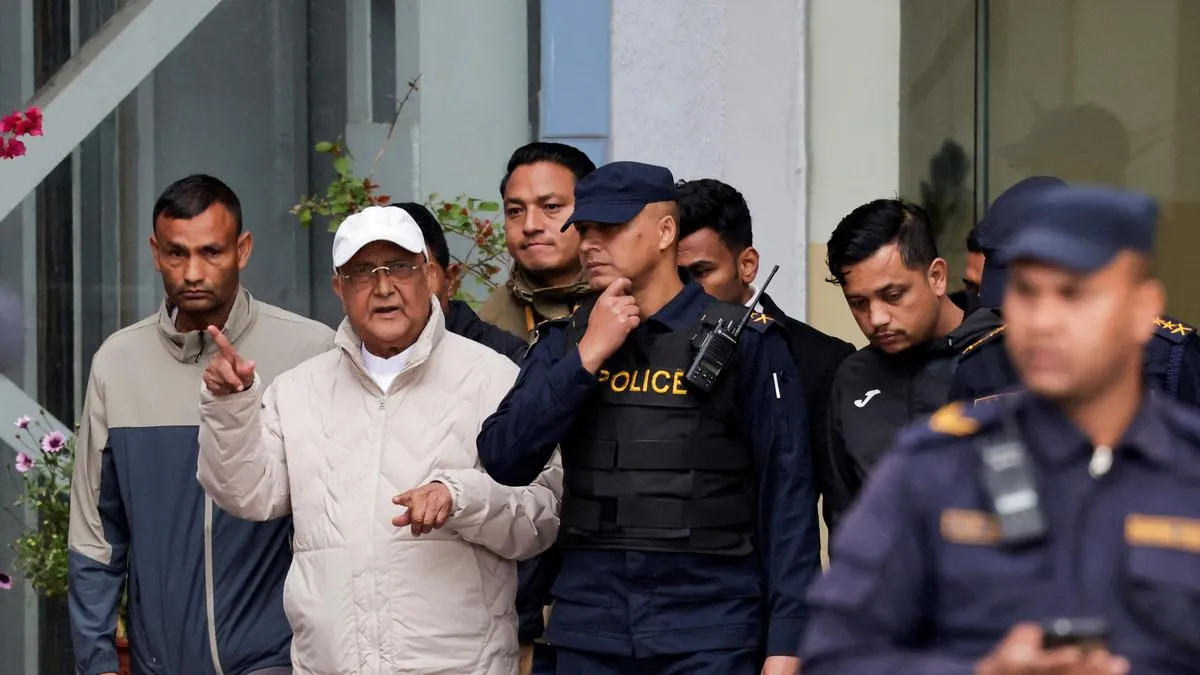
In a significant development, K.P. Sharma Oli, the former Prime Minister of Nepal and a prominent leader of the Communist Party of Nepal (Unified Marxist–Leninist), was arrested on March 28, 2026, from his residence in Gundu, Bhaktapur. His arrest comes just a day after the swearing-in of the new government led by Balendra Shah, which has been seen as a shift in the political landscape of Nepal. The new administration is tasked with addressing the very grievances that sparked the Gen Z protests.
Oli faces serious charges of culpable homicide, stemming from a probe commission’s recommendation that he and fellow politician Ramesh Lekhak be prosecuted for negligent killings during the protests. The commission’s report, submitted to the outgoing government on March 8, 2026, highlighted the need for accountability in the wake of the tragic events that unfolded during the protests.
Following his arrest, K.P. Sharma Oli was taken to a hospital for a check-up, raising concerns about his health. At 74 years old, his age adds another layer of complexity to the situation. Meanwhile, Ramesh Lekhak was arrested in Suryabinayak, Bhaktapur, further indicating a crackdown on those perceived to be responsible for the violence that erupted during the protests.
Sudhan Gurung, the new Home Minister, stated that the arrests were “the beginning of justice,” emphasizing the government’s commitment to uphold the rule of law. He remarked, “A promise is a promise: No one is above the law,” signaling a strong stance against impunity for political leaders. This statement reflects the government’s intention to address the demands of the protesters and restore faith in the political system.
However, the response from Oli’s party has been one of defiance. Party spokesperson Yogesh Bhattarai condemned the arrests, claiming they were “unconstitutional and illegal.” This reaction underscores the deep political divisions in Nepal and raises questions about the motivations behind the arrests. Observers note that the political climate is charged, and the potential for further unrest remains high as supporters of Oli mobilize in response to his detention.
As the situation unfolds, a decision regarding the custody of both K.P. Sharma Oli and Ramesh Lekhak is expected to be made once the courts reopen on Sunday. The outcome of this decision will likely have significant implications for the political landscape in Nepal and the ongoing struggle for accountability and justice following the Gen Z protests.
In the wake of these developments, political analysts are closely monitoring the situation, with many suggesting that the new government’s actions could either pave the way for meaningful reform or exacerbate existing tensions. The path forward remains uncertain, but the arrests signal a pivotal moment in Nepal’s ongoing quest for justice and governance reform.