Context of the Remarks
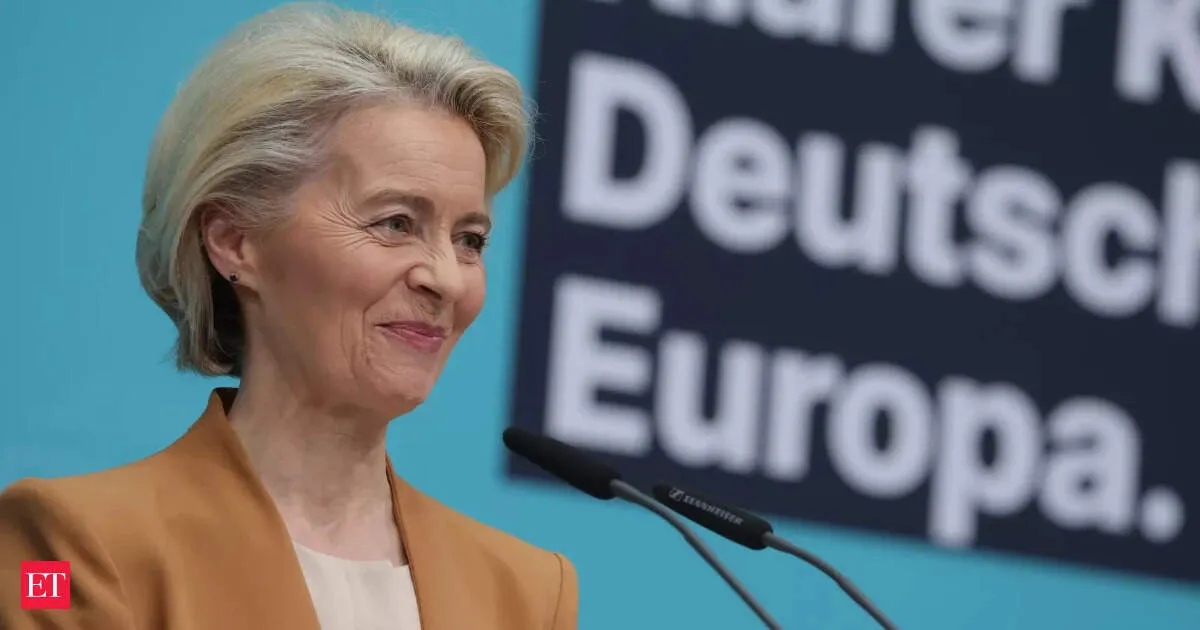
In a recent address, Ursula von der Leyen, the president of the European Commission, made a bold declaration that the rules-based world order is finished. This statement has not only drawn attention but has also caused considerable turbulence within the European Union (EU). As the EU grapples with its role on the global stage, von der Leyen’s comments have ignited a debate about the future of international relations and the EU’s foreign policy direction.
Reactions from EU Leaders
Following von der Leyen’s remarks, António Costa, the president of the European Council, publicly disagreed with her stance, emphasizing the importance of defending the rules-based international order. Costa’s comments reflect a growing concern among EU leaders about the implications of von der Leyen’s position. Similarly, Spanish Foreign Minister José Manuel Albares expressed his disagreement with Germany’s vision on international order, indicating a rift among member states regarding the EU’s foreign policy approach.
Growing Discontent
The fallout from von der Leyen’s comments has led to increasing discontent in countries like France and Spain. Critics argue that her remarks undermine the EU’s collective voice and could weaken its influence on the global stage. The controversy has prompted calls for clarification from von der Leyen, with some even suggesting the possibility of a no-confidence vote against her. This situation highlights the delicate balance of power within the EU and the challenges of maintaining a unified foreign policy.
Nuanced Responses
In response to the backlash, the European Commission has rushed to add nuance to von der Leyen’s words. This effort aims to mitigate the growing criticism and restore confidence among member states. However, the rapid clarification efforts may also indicate a recognition of the potential consequences of her initial remarks, which many perceive as overstepping her bounds in foreign policy matters.
Concerns Over Foreign Policy Direction
Von der Leyen’s foreign policy actions have faced scrutiny, particularly regarding her support of Israel during the ongoing Gaza conflict. Critics argue that her approach has not aligned with the EU’s traditional stance on such issues. The French government has also warned that the High Representative should direct the Union’s common foreign and security policy, further complicating von der Leyen’s position and raising questions about the distribution of foreign policy responsibilities within the EU.
Implications for the EU
The implications of this sequence of events are significant for the EU and its member states. As von der Leyen’s remarks continue to resonate, they underscore the challenges faced by the EU in navigating a rapidly changing global landscape. The differing opinions among member states regarding the future of the rules-based international order highlight the complexities of achieving a cohesive foreign policy.
Current State of Affairs
As of now, the situation remains fluid, with ongoing discussions among EU leaders about the implications of von der Leyen’s statements. The need for a unified approach to foreign policy has never been more critical, as the EU seeks to assert its role in a world that is increasingly characterized by geopolitical tensions and uncertainty. Details remain unconfirmed regarding the potential outcomes of this controversy, but the stakes are high for the future of the EU’s foreign policy direction.