Key moments
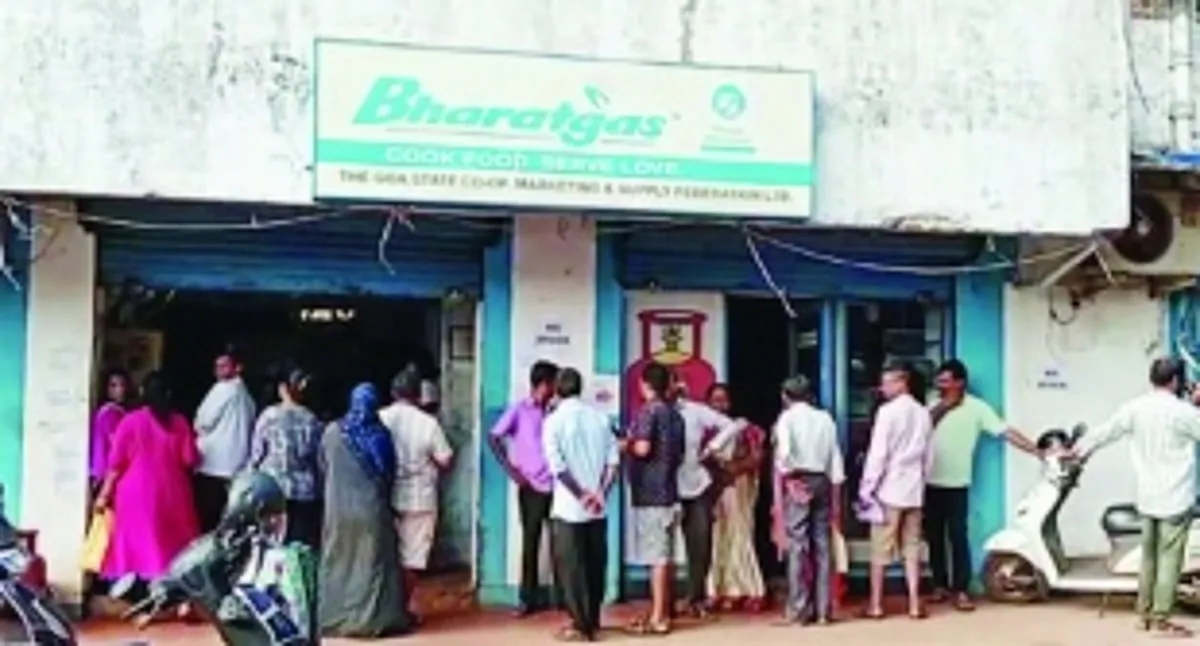
On March 25, 2026, the capital city of Delhi, India, witnessed significant unrest as the Aam Aadmi Party (AAP) protested against a severe shortage of LPG gas cylinders. The protests were fueled by reports of long queues forming across the city as residents struggled to secure this essential resource. AAP leaders, including Atishi and Sanjeev Jha, voiced their frustrations, with Jha stating, “There is devastation across the country and people are not getting gas cylinders.” The situation has escalated to the point where cylinders are being sold on the black market for prices ranging from ₹5000 to ₹6000, exacerbating the crisis for many households.
The immediate circumstances surrounding this shortage are alarming. People across Delhi and other parts of India are waiting in long lines for a single gas cylinder, highlighting the urgency of the situation. Atishi remarked, “Today, across the country, long queues are forming for a single gas cylinder,” emphasizing the widespread nature of the issue. The protests reflect a growing discontent among citizens as they face increasing difficulties in accessing basic necessities.
Broader implications of the LPG gas cylinder shortage extend beyond Delhi. In Meghalaya, the tourism sector has been notably impacted due to a lack of commercial LPG supplies. Hotels and restaurants are scaling down operations, which could have lasting effects on the region’s economy. With approximately 1.6 million tourist footfalls recorded last year, the hospitality sector is warning that prolonged shortages could significantly affect tourist experiences. Local officials have prioritized essential services like hospitals for available LPG stocks, further complicating the situation for everyday consumers.
The government has responded to the crisis by mandating a transition from LPG to piped natural gas (PNG) in areas where it is available. Households will receive a three-month window to switch to PNG once notified; failure to comply may result in the discontinuation of their LPG supply. This move is part of a broader strategy to reduce dependence on imported LPG, particularly in light of geopolitical energy crises affecting supply chains.
One of the main factors contributing to the current gas supply crisis is the disruption of LPG supplies from the Middle East, particularly due to the blockage of the Strait of Hormuz. This geopolitical instability has prompted the Indian government to push for a rapid expansion of natural gas pipelines across the country, aiming to enhance energy security and reduce reliance on imports.
As the situation unfolds, reactions from political leaders continue to emerge. AAP MLA Kuldeep Kumar expressed the dire circumstances faced by many, stating, “People need to organise ‘bhandara(s)’ and prepare fasting meals at home, but there are no cylinders.” This sentiment resonates with many citizens who are grappling with the reality of limited access to cooking gas.
While the government is taking steps to address the crisis, the immediate impact on citizens and businesses is palpable. Details remain unconfirmed regarding the full extent of the shortages and the effectiveness of the government’s measures. The ongoing protests and public outcry indicate that the situation remains critical, with many looking for swift resolutions to regain access to essential LPG supplies.
In summary, the LPG gas cylinder shortage in Delhi has sparked widespread protests and highlighted the vulnerabilities in the supply chain. As citizens face long waits and inflated prices, the government’s response will be crucial in determining how quickly normalcy can be restored in the capital and beyond.