Malawi’s Current Landscape
Malawi, a landlocked country in southeastern Africa, is grappling with various challenges, particularly in healthcare and food security. Approximately 7% of the population lives with HIV, a statistic that underscores the ongoing public health crisis. However, Malawi stands out as one of the few countries meeting the United Nations’ 95-95-95 targets for HIV treatment, which aims for 95% of people living with HIV to be diagnosed, 95% of those diagnosed to receive treatment, and 95% of those treated to have a viral load below 200 copies per millilitre.
Healthcare Innovations
In a significant advancement for healthcare, Malawi implemented an electronic medical record system across 106 HIV clinics between 2007 and 2019. This system has been credited with reducing the annual number of patient deaths by an estimated 28% five years after its adoption. The total cost for an average clinic to adopt this system was approximately US$34,050, with the estimated cost per life saved being US$448. The initiative was funded by the government with support from international donors, reflecting a collaborative effort to improve health outcomes.
Impact on Children
One of the most notable impacts of the electronic medical record system has been on child mortality rates. The number of children under the age of 10 dying from HIV/AIDS fell by 44% within five years of the system’s implementation. This remarkable reduction highlights the potential of technology to transform healthcare delivery and improve lives in Malawi.
Food Security Challenges
In addition to healthcare challenges, Malawi faces significant food security issues, exacerbated by climatic events such as droughts linked to the El Niño effect. Recently, India dispatched a consignment of 1,000 metric tonnes of rice to Malawi to support food security efforts in the wake of these challenges. This international aid is crucial for a country where the economy heavily depends on subsistence farming.
Geographical Context
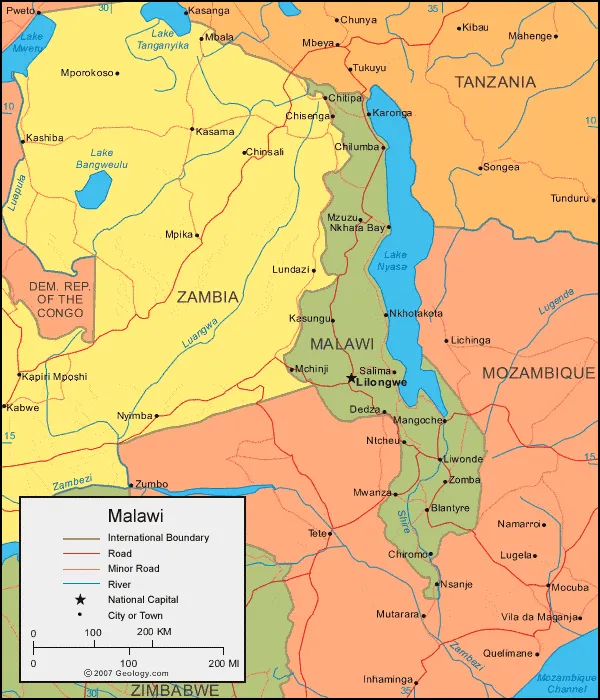
Malawi is bordered by Tanzania, Mozambique, and Zambia, which influences its trade and economic relationships. The capital city, Lilongwe, serves as a central hub for governance and commerce. The geographical positioning of Malawi presents both opportunities and challenges, particularly in the context of regional trade and agricultural productivity.
Looking Ahead
As Malawi continues to navigate its healthcare and food security challenges, observers remain hopeful about the potential for further improvements in public health and agricultural resilience. The ongoing support from international partners and the government’s commitment to innovative healthcare solutions are vital for sustaining progress.
While Malawi faces significant hurdles, particularly in combating HIV and ensuring food security, the nation’s achievements in healthcare innovation and international support offer a glimmer of hope. The future remains uncertain, but the commitment to addressing these challenges is evident.