Reaction from the field
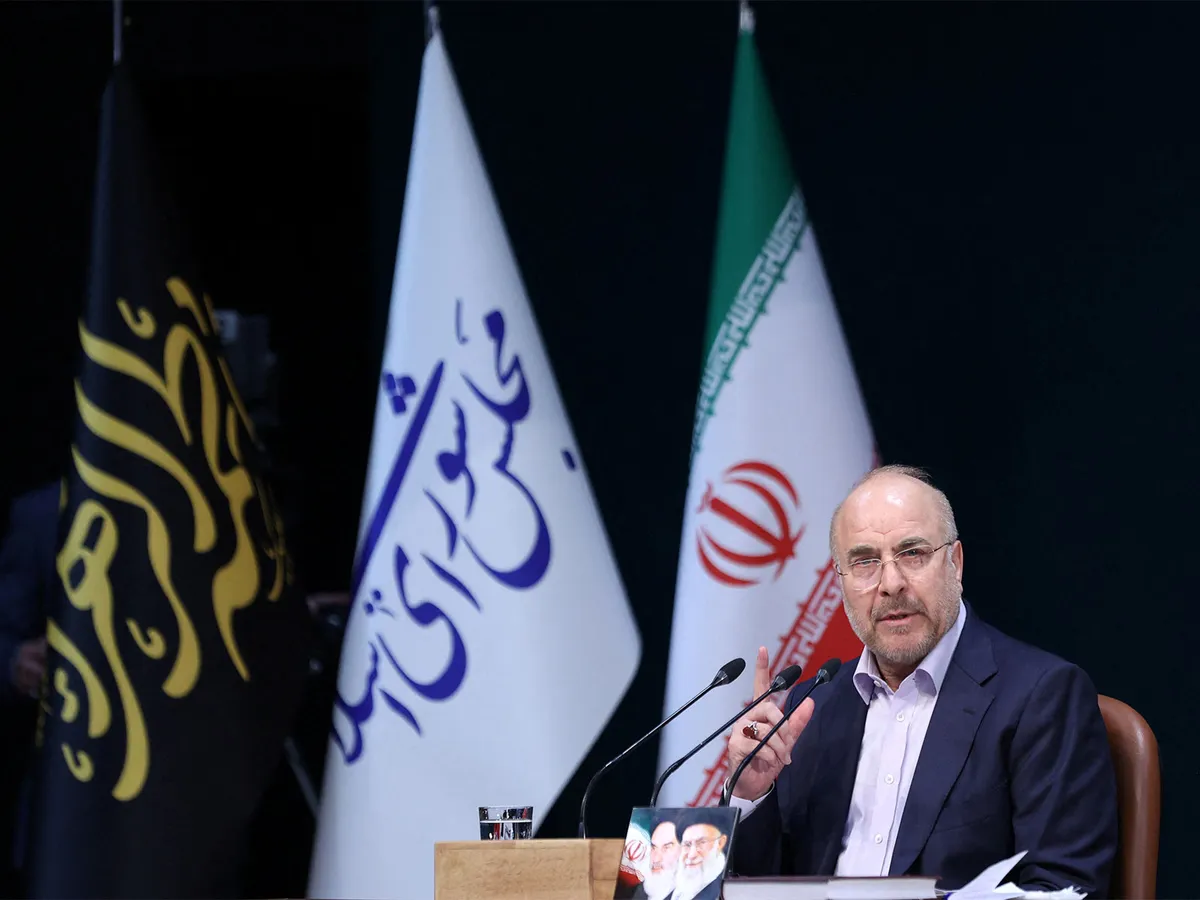
The recent warning from Iranian Parliament Speaker Mohammad Bagher Ghalibaf underscores a critical escalation in tensions between Iran and the United States. Ghalibaf has made it clear that any ground invasion by US forces would be met with a “relentless” and “decisive” response from Iran, highlighting the stakes involved in the ongoing geopolitical conflict.
Ghalibaf’s statements come amid accusations that the US is using diplomatic overtures as a facade for potential invasion plans. He emphasized that Iranian forces are “waiting” for any US soldiers attempting to enter the country, indicating a heightened state of alert within the Iranian military. This rhetoric marks a significant shift, as Ghalibaf declared that Tehran would no longer differentiate between actions taken by the US and those by Israel, suggesting a unified stance against perceived threats.
In his remarks, Ghalibaf stated, “If they hit one, they’ll take several back,” a clear indication of Iran’s readiness to retaliate against any military aggression. This statement not only reflects Iran’s military posture but also serves as a warning to the US about the potential consequences of any military action. The implications of such a response could be far-reaching, affecting not only US-Iran relations but also the broader stability of the Middle East.
The backdrop to these developments is the ongoing situation in the strategically vital Strait of Hormuz, a crucial passage for global oil shipments. Ghalibaf’s comments suggest that the dynamics in this region will not return to their pre-war status, further complicating international relations and energy security. The Strait has been a flashpoint for tensions between Iran and the US, with both nations maintaining a significant military presence in the area.
As the situation unfolds, the international community watches closely. The potential for conflict remains high, and the consequences of any military engagement could be dire. Iran’s military capabilities, particularly those of the Islamic Revolutionary Guard Corps (IRGC), are well-known, and any miscalculation could lead to a broader conflict.
In a separate but related context, Nabil Gabol, a Pakistani politician, has also made headlines with his claims regarding his proximity to Dawood Ibrahim, a notorious figure in organized crime. Gabol stated, “I have never met him, nor do I know if he lives in Karachi,” distancing himself from any allegations of association. This statement highlights the complexities of regional politics and the intertwining of various narratives that can impact diplomatic relations.
Meanwhile, in a different arena, JICA President Tanaka Akihiko met with GEAPP CEO Woochong Um in Tokyo, expressing hope for future collaboration across various sectors. This meeting reflects ongoing efforts to foster international cooperation, even as tensions rise in other parts of the world.
As the situation develops, uncertainties remain about the potential for US-Iran conflict and the broader implications for regional stability. Details remain unconfirmed regarding the specific actions that may be taken by either side, but the rhetoric suggests that both nations are preparing for a possible escalation in hostilities.