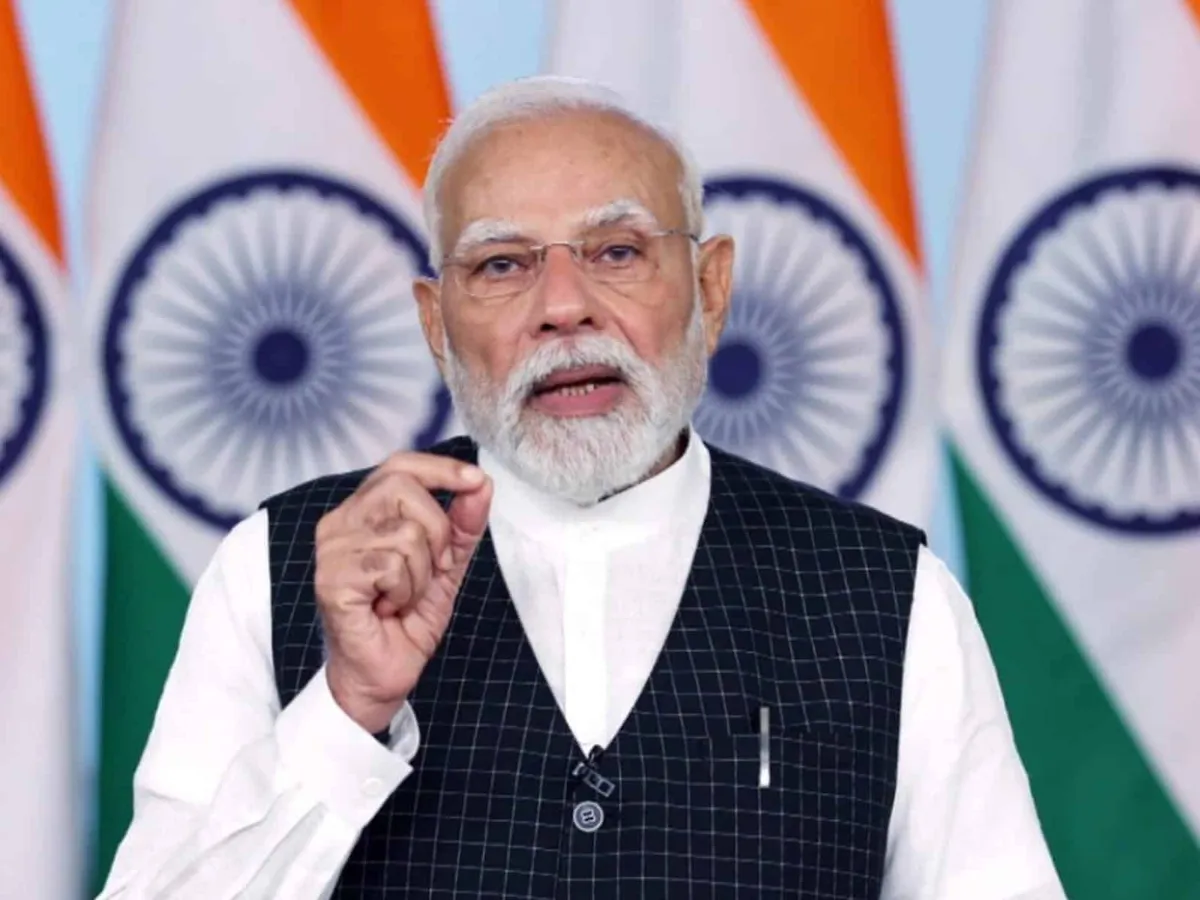
On March 23, 2026, Prime Minister Narendra Modi addressed the Lok Sabha concerning the escalating conflict in West Asia, which has raised significant global concerns over the past few weeks. The Prime Minister highlighted the potential implications of the war for India, noting that it has created unforeseen challenges related to economics, national security, and humanitarian issues.
Prior to his address, PM Modi chaired a high-level meeting of the Cabinet Committee on Security to discuss the ongoing crisis. During this meeting, he instructed ministers to form dedicated groups to address the emerging challenges posed by the situation in West Asia.
In his speech, Modi stated, “The situation in West Asia is worrisome. In the last 2-3 weeks, EAM Dr S Jaishankar and Union Minister Hardeep Puri have provided the details of the situation to the House.” This underscores the government’s proactive approach in keeping the parliament informed about international developments.
As the crisis unfolds, the Indian government is actively managing supply challenges arising from disruptions around the Strait of Hormuz. Despite the tensions in the region, several shipments have continued to reach India, ensuring a steady flow of essential resources.
Modi emphasized that the government is focused on maintaining the supply of liquefied petroleum gas (LPG) for domestic use, stating, “LPG supply for domestic use continues to be the government’s top focus, even as production within the country has increased over the years.” This commitment is crucial for ensuring energy security amid rising global tensions.
Currently, India holds approximately 53 lakh metric tonnes of strategic petroleum reserves, with plans to expand this to 65 lakh metric tonnes. The diversification of India’s crude oil import sources has also been significant, with the country now sourcing oil from 41 countries, up from 27 previously.
Moreover, the Prime Minister noted that India’s efforts in ethanol production and blending have resulted in a reduction of 4.5 crore barrels in crude imports annually, showcasing the country’s commitment to energy independence.
As the situation develops, the Indian government remains vigilant, keeping a close watch on key shipping routes, particularly those in the Gulf region. This proactive stance is essential for safeguarding national interests during these turbulent times.
Overall, the sequence of events highlights the government’s commitment to addressing the challenges posed by the West Asia crisis while ensuring the stability of energy supplies for the Indian populace.