Key moments
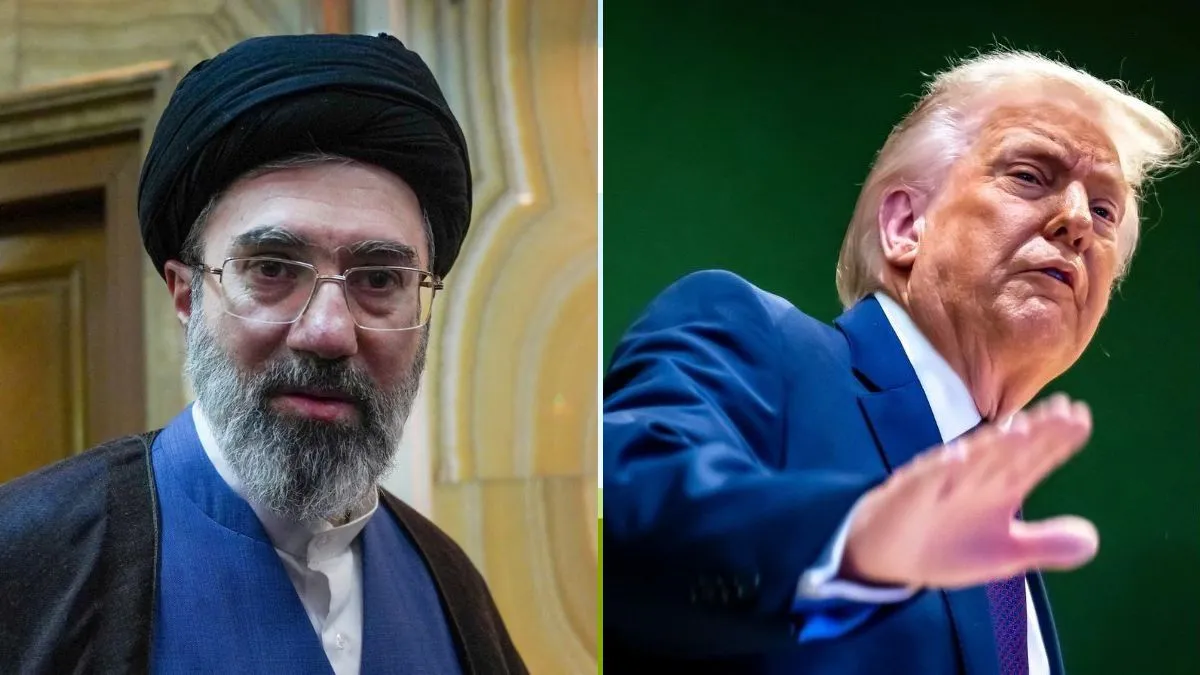
In a significant development, Mojtaba Khamenei, the newly appointed leader of Iran, remains in a medical intensive care unit at an undisclosed underground location as of April 4, 2026. His health has deteriorated severely, with reports indicating that one of his arms is completely incapacitated and at least one of his legs is paralyzed. Additionally, he has suffered from spinal cord lesions, a dislocated jaw, and brain injuries, necessitating several major surgeries and further operations.
The situation surrounding Khamenei’s health has raised eyebrows, particularly as no official from the Islamic Republic has claimed to have met with him in the past month. This lack of communication has fueled speculation about his capacity to lead the country effectively. A report from Fars News Agency has declared him a janbaz, or disabled veteran, further complicating the narrative of his leadership.
Amidst these health concerns, internal disputes within the Iranian government and clergy have intensified. Some grand ayatollahs have openly refused to acknowledge Mojtaba Khamenei’s status as an ‘ayatollah,’ questioning his legitimacy. Ayatollah Sistani has notably remarked that Khamenei lacks the legitimacy of Ijtihad, leadership, and the title of Valiat-e Faqih, which are crucial for a leader in the Islamic Republic.
As the political landscape shifts, external pressures are mounting. U.S. President Donald Trump has issued a 10-day ultimatum to Iran regarding the reopening of the strategically vital Hormuz Strait, a move that coincides with his dwindling approval ratings, which have plummeted to an all-time low of -20 percent. Trump has warned, “Time is running out—48 hours before all Hell will reign down on them,” indicating the high stakes involved in the ongoing tensions.
Despite the turmoil, a diplomatic source has stated that Mojtaba Khamenei has not been in Russia and that his injuries do not interfere with his work, although this claim remains unverified. The conflicting reports about his health and influence have left many uncertain about the future direction of Iran’s leadership.
The backdrop of these events is significant; Mojtaba Khamenei was introduced as the new leader of the Islamic Republic following the death of the previous Supreme Leader. His ascension was met with both hope and skepticism, and the current health crisis has only amplified the existing doubts regarding his ability to govern.
As the situation unfolds, the Iranian populace and international observers alike are watching closely. The implications of Khamenei’s health on Iran’s political stability and its relations with the West are profound, especially as the country has consistently declined to negotiate a ceasefire with the U.S., insisting on a complete end to the ongoing conflict.
Details remain unconfirmed regarding the exact status of Mojtaba Khamenei’s leadership role, but the combination of his health issues and the rising internal dissent presents a precarious situation for the Islamic Republic.