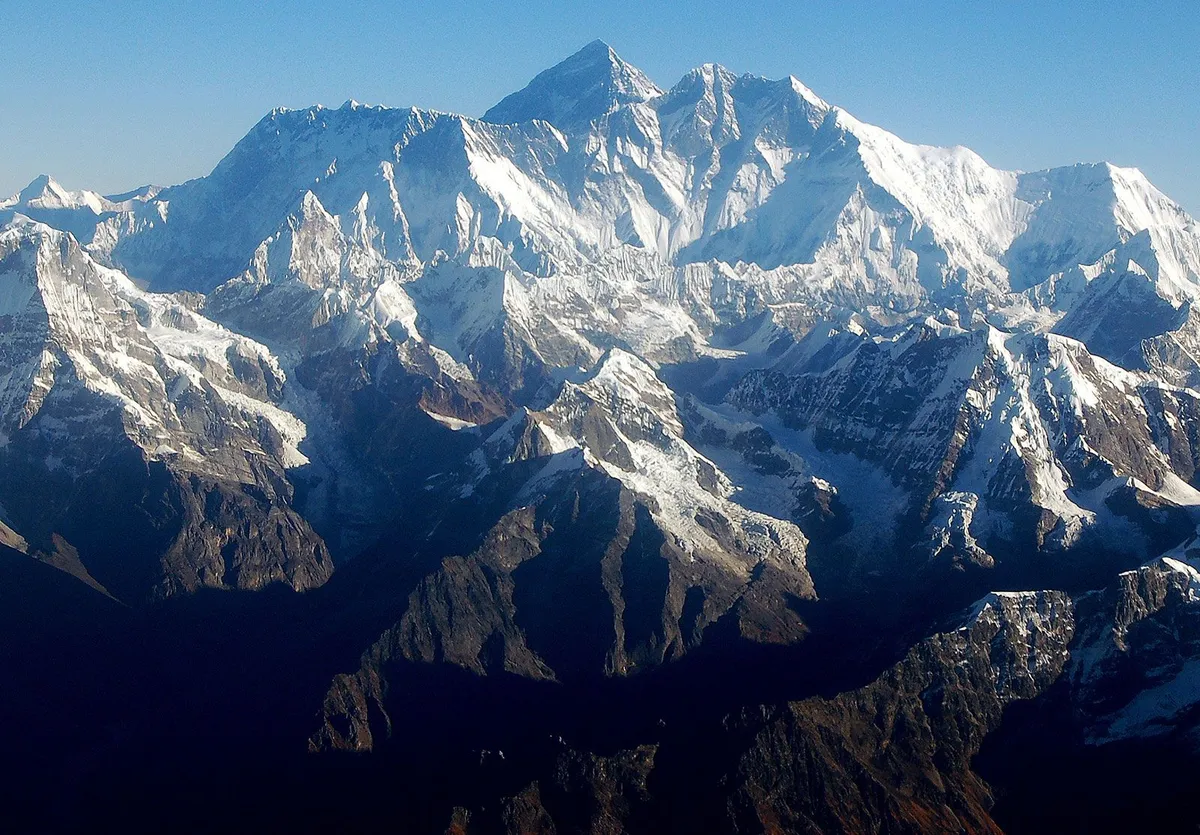
The insurance scam has raised concerns about Nepal’s reputation in the global climbing community. Allegations have surfaced regarding a $20 million fraud scheme involving staged rescues and fraudulent insurance claims on Mount Everest. This scandal has not only tarnished the image of Nepal as a climbing destination but has also put the safety of climbers at risk.
In a recent development, Nepal’s Central Investigation Bureau arrested 10 individuals connected to this extensive insurance scam. The investigation revealed that 32 guides have been charged, with nearly 4,800 international climbers treated at hospitals implicated in the fraudulent activities between 2022 and 2025. The scam reportedly involved faking documents and forging passenger and cargo manifests to facilitate these fraudulent claims.
According to the Central Investigation Bureau, “Foreign tourists were systematically defrauded.” Some guides allegedly went as far as poisoning clients to create fake emergencies, allowing them to claim insurance money. This shocking revelation has prompted the Nepali government to investigate fraudulent helicopter rescues totaling $19 million, further highlighting the depth of the corruption within the climbing industry.
As the investigation unfolds, observers are keen to see how the new Prime Minister of Nepal, Balendra Shah, will address these issues. Shah, who took office in March 2026, has expressed a commitment to reforming the Everest climbing industry. He aims to restore trust among international climbers and ensure their safety during expeditions.
In the midst of this turmoil, climbers continue to pursue their ambitions on Everest. Notably, Kristin Harila is attempting a no-oxygen ascent of Everest, Lhotse, and Nuptse in 2026, while a Romanian climber plans to walk nearly 1,300 miles from sea level to Everest. Additionally, Nepali climbers are organizing an adventure called Summit to Sea, aiming to raise awareness for river health, showcasing the resilience of the climbing community despite the ongoing scandal.
Amidst these developments, Mingma David Sherpa, a prominent figure in the climbing community, emphasized the need for reform, stating, “We need to reduce the number of people dying.” This sentiment resonates deeply, as the safety of climbers has become a pressing concern in light of the recent revelations. The Nepali police spokesperson noted that “hospitals, helicopter operators, and guides are also linked in this chain,” indicating a broader network of complicity in the fraudulent activities.
As the investigation continues, the full extent of the insurance scam and the number of individuals involved remains unclear. Details remain unconfirmed, but the implications for Nepal’s climbing industry could be profound. The use of drones to transport supplies on Everest in 2026 also reflects a shift in how expeditions are conducted, potentially reducing reliance on compromised services.
The wider picture shows a climbing industry at a crossroads, where the need for safety and integrity must be balanced against the allure of adventure. As the investigation progresses, the hope is that it will lead to meaningful changes that protect climbers and restore Nepal’s reputation as a premier destination for mountaineering.