The numbers
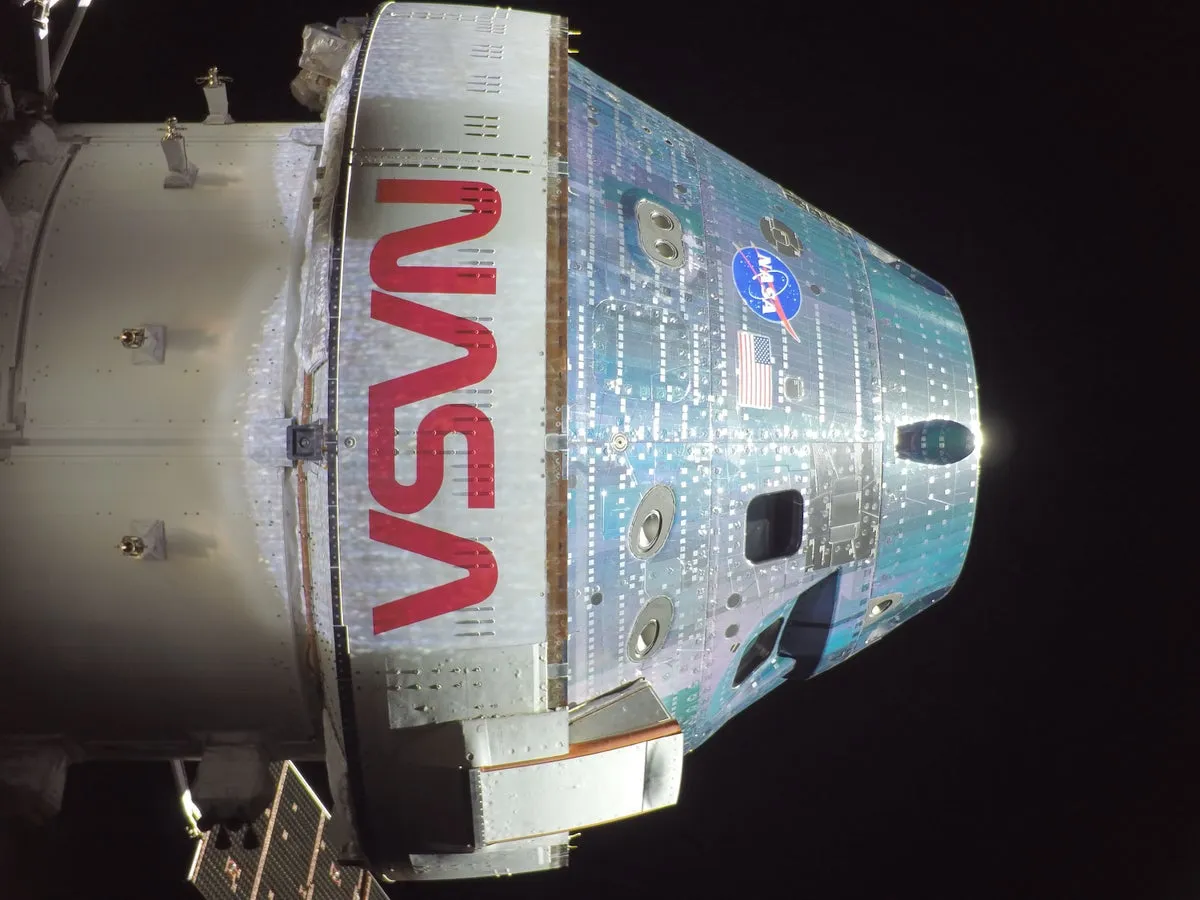
NASA’s Artemis II mission has successfully launched four astronauts on a historic journey around the moon, marking a significant milestone in lunar exploration. As of April 4, 2026, the Orion spacecraft was more than 160,000 miles from Earth and less than 120,000 miles from the moon, with the crew having passed the halfway point of their voyage just two days and five hours after liftoff.
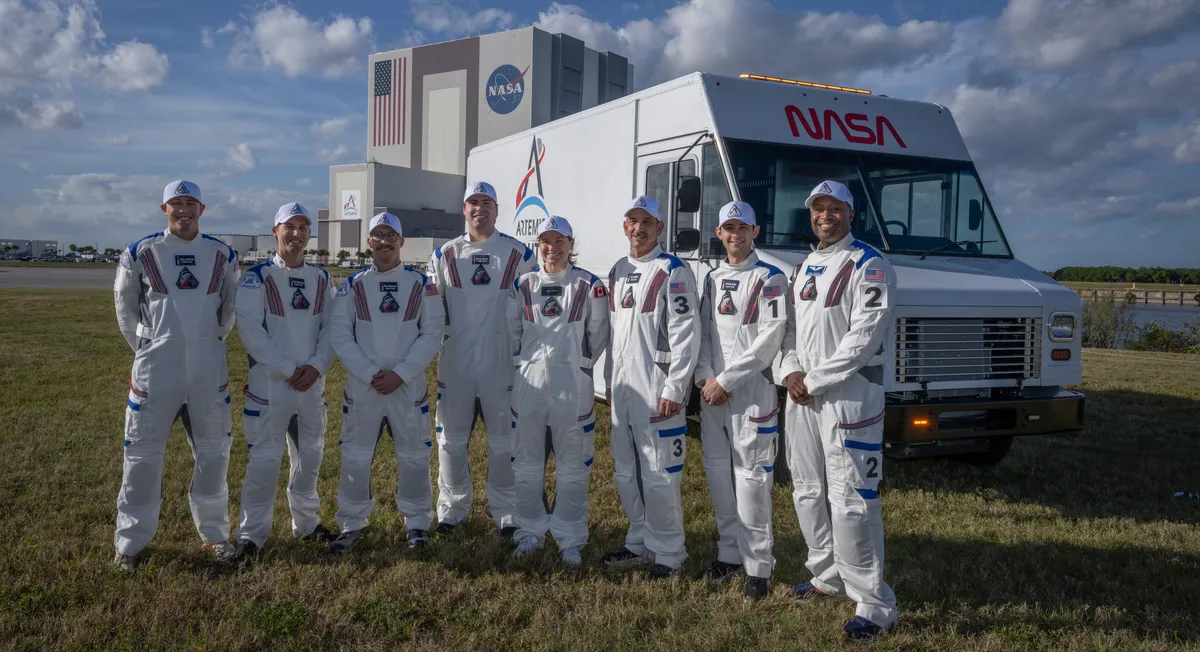
The crew, consisting of NASA astronauts Reid Wiseman, Victor Glover, Christina Koch, and Canadian astronaut Jeremy Hansen, has been actively engaged in various mission activities. Wiseman expressed his excitement, stating, “It was really great to wake up this morning and look out the window and see the full moon off the front of the vehicle.” Meanwhile, Koch noted, “We can see the Moon out of the docking hatch right now, it is a beautiful sight.” These sentiments reflect the awe and wonder experienced by the crew as they approach their lunar destination.
On April 6, 2026, the Artemis II crew is scheduled to conduct a lunar flyby, during which the Orion spacecraft will come within 4,066 miles of the moon at its closest approach. This mission is particularly significant as it is expected to surpass the Apollo 13 distance record by 4,102 miles, showcasing advancements in space travel technology. During this flyby, the crew will also have the unique opportunity to observe a solar eclipse from space, adding to the mission’s remarkable experiences.
As the Orion spacecraft continues its journey, it will encounter a communications blackout when it passes behind the moon. This is a standard procedure for lunar missions, but it adds an element of suspense as the crew temporarily loses contact with Mission Control. During this time, Mission Control will remind the astronauts, “You are now closer to the moon than you are to us on Earth,” highlighting the extraordinary distance they are traveling.
The Artemis II mission is not only a test of human endurance and technological capabilities but also a demonstration of advanced communication systems. The Orion Artemis II Optical Communications System has already surpassed 100 gigabytes of data downlinked during the mission, indicating the successful transmission of critical information back to Earth.
In preparation for potential medical emergencies, the crew has practiced CPR in space and tested medical equipment from the Orion medical kit, ensuring they are ready for any situation that may arise during their journey. NASA has emphasized the importance of these preparations, stating, “We’re halfway there,” as the crew continues to make progress toward their lunar objectives.
The Artemis II mission is a pioneering journey around the moon, following the Artemis I mission, and represents a significant step forward in NASA’s plans for future lunar exploration. Observers are keenly awaiting the upcoming lunar flyby and the data that will be collected during this mission, which could pave the way for future human exploration of the moon and beyond. As the mission unfolds, details remain unconfirmed regarding the full extent of the scientific discoveries that may arise from this groundbreaking endeavor.