Background of the Van Allen Probe A
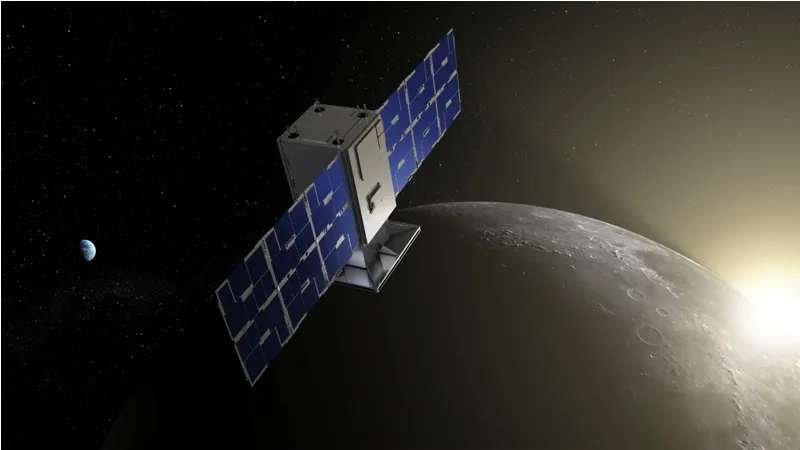
The Van Allen Probe A was launched in 2012 with the expectation that it would operate in space for only two years. However, it exceeded all expectations by measuring radiation for a total of seven years before running out of fuel in 2019. This extended mission provided valuable data about the Earth’s radiation belts, contributing significantly to our understanding of space weather.
Decisive Moment: The Crash
On March 12, 2026, at 6:37 a.m. ET, NASA’s Van Allen Probe A reentered the Earth’s atmosphere. The coordinates for the reentry point were approximately 2 degrees south latitude and 255.3 degrees east longitude, placing it in the eastern Pacific Ocean. NASA had predicted a 1 in 4,200 chance of any wreckage landing in a location that could potentially cause human harm. Fortunately, the majority of the spacecraft likely burned up upon reentry, with any surviving debris expected to fall into the ocean.
Immediate Effects of the Crash
The uncontrolled reentry of the Van Allen Probe A has raised significant concerns regarding space debris and its implications for future satellite operations. Experts have noted that higher solar activity, which was not fully accounted for by NASA, increases drag on satellites, leading to faster orbital decay. This incident serves as a reminder of the complexities involved in satellite management and the potential risks associated with space debris.
Expert Perspectives on the Incident
NASA acknowledged that it did not adequately consider the current solar maximum, which contributed to the probe’s accelerated descent. In a statement, NASA remarked, “NASA says that its Van Allen Probe A satellite has fallen precipitously back to Earth after a 14-year journey through space.” The agency confirmed that parts of the satellite likely burned up during reentry, with any remaining debris expected to land in the ocean.
Implications for Satellite Insurance and Regulation
The incident has broader implications for the satellite industry, particularly concerning insurance costs and regulatory measures. The narrative surrounding NASA satellite crashes is now a critical data point for underwriting and regulation. Experts predict modest premium pressure, tighter exclusions, and higher proof standards in the insurance market as a direct consequence of this event.
Future Considerations
The Van Allen Probe B is also scheduled to crash back to Earth, expected to arrive in 2030 or later. This upcoming event will likely prompt further discussions about the need for better disposal plans and compliance in satellite operations. The incident highlights the importance of developing comprehensive strategies to manage space debris and ensure the safety of future missions.
As the space industry continues to evolve, the uncontrolled reentry of the Van Allen Probe A serves as a crucial reminder of the challenges associated with satellite operations and the potential risks posed by space debris. Details remain unconfirmed regarding the full extent of the incident’s impact, but it is clear that both NASA and the broader satellite community must take proactive steps to address these challenges moving forward.