Key moments
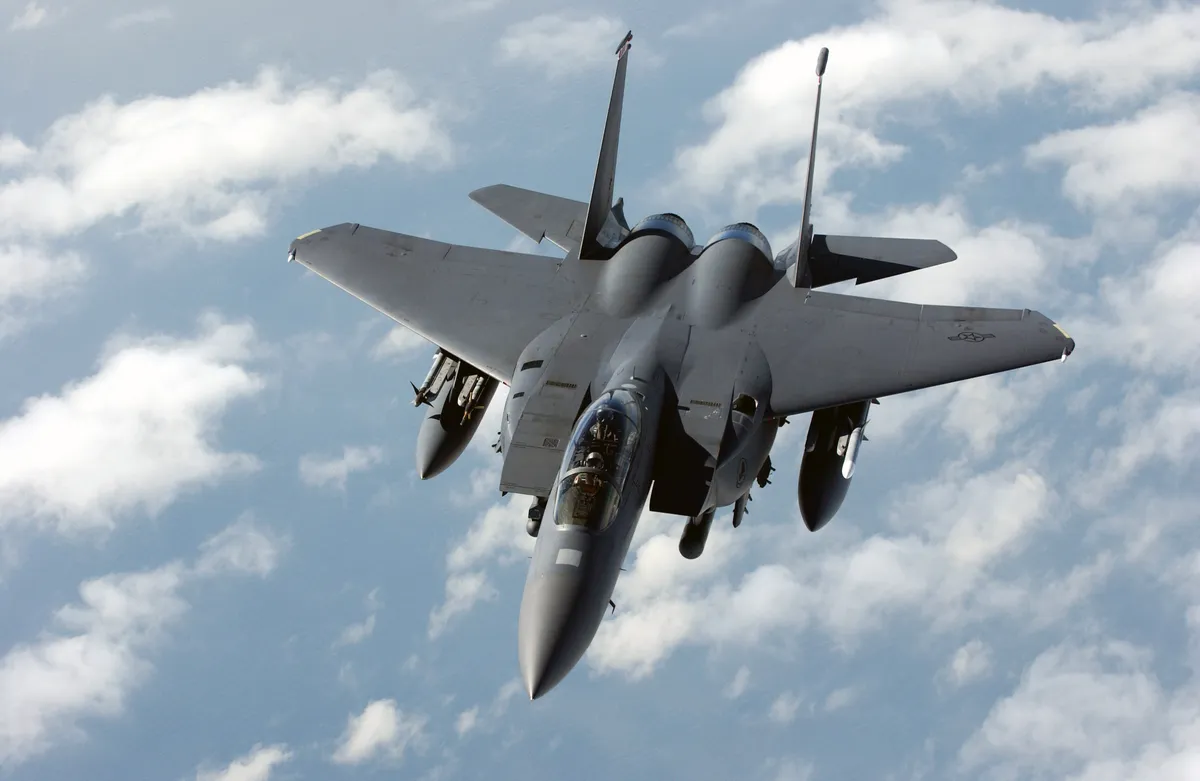
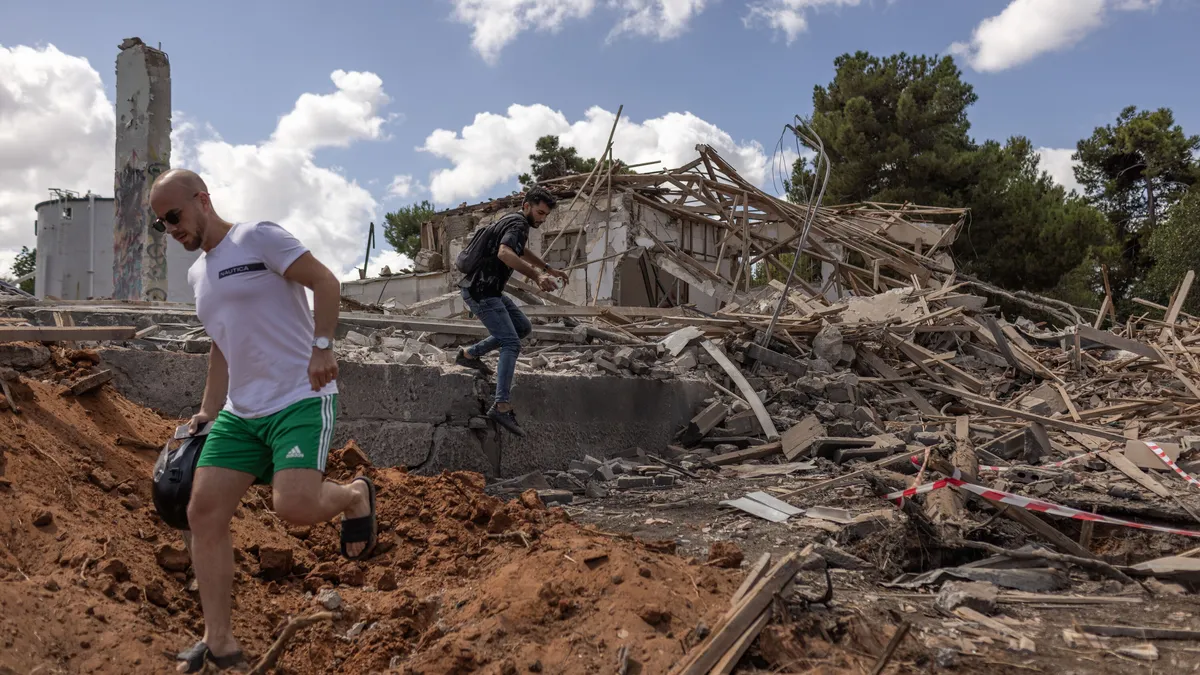
In a significant escalation of military tensions in the Middle East, Israeli fighter jets have targeted South Pars, the world’s largest natural-gas field, which is shared by Iran and Qatar. This operation is part of a broader strategy by the U.S. and Israel aimed at toppling the Iranian government and diminishing its regional influence. The strike comes amid a backdrop of heightened military readiness and geopolitical maneuvering in the region.
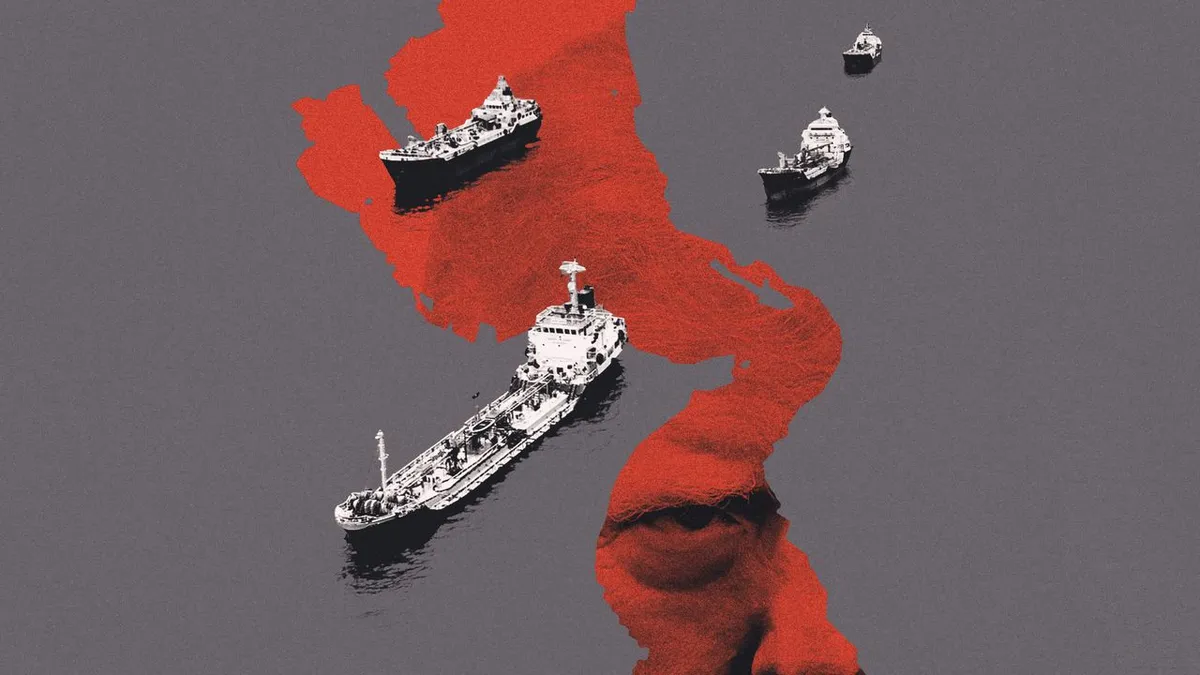
The Strait of Hormuz, a crucial maritime chokepoint, is vital for the global economy, as it facilitates the flow of one-fifth of the world’s oil and natural gas supply. Iranian officials have threatened to shut down this strategic waterway as a deterrent against U.S. and Israeli military actions, raising alarms about potential disruptions in global energy markets.
Following the U.S.-Israeli strike that reportedly killed Iran’s Supreme Leader, President Trump issued a stark ultimatum demanding Iran’s unconditional surrender. He warned that Iran must fully open the Strait of Hormuz within 48 hours or face severe consequences, including the obliteration of its power plants. This aggressive stance reflects a broader military doctrine that emphasizes swift and decisive interventions, reminiscent of Ronald Reagan’s “peace through strength” approach during the Cold War.
Operation Epic Fury, as the military campaign has been dubbed, has reportedly eliminated key figures in Iran’s leadership and significantly degraded its capacity to project power and influence in the region. The U.S. military has been closely collaborating with Israel, indicating a united front against perceived threats from Iran.
However, the implications of these actions extend beyond immediate military objectives. Critics have raised concerns about the moral and ethical dimensions of such interventions, with some likening the current geopolitical landscape to a new world order characterized by the obliteration of the weak by the strong. Chris Hedges, a noted journalist, articulated this sentiment, stating, “The new world order is one where the weak are obliterated by the strong, the rule of law does not exist, genocide is an instrument of control and barbarism is triumphant.”
As the situation unfolds, analysts are divided on the potential outcomes. Robert Pape, a political scientist, noted that Trump faces a complex dilemma, suggesting that while a deal may still be possible, the political costs of such a resolution continue to escalate. This uncertainty adds to the already volatile atmosphere in the region.
Historically, the U.S. military has mapped various scenarios involving conflict with Iran, anticipating a range of strategies and outcomes. Over the past 47 years since the 1979 revolution, eight American presidents have grappled with the challenges posed by Iran, each attempting to navigate a path through a fraught geopolitical landscape.
As global elites engage in this high-stakes game of power, some observers have criticized the ruling class for exploiting the subjugated as mere commodities. Erich Fromm’s assertion that “the fact that millions of people share the same vices does not make these vices virtues” resonates in discussions about the moral implications of the current geopolitical strategies.