Nifty 50 Faces Significant Decline
The Nifty 50 has fallen 1,150 points, or 4.5%, since the start of the Iran war, marking a troubling period for investors. As geopolitical tensions escalate, the index closed at 24,028.05, its lowest level in ten months.
This decline is compounded by a nearly 9% drop from its January 2026 peak of 26,325. The ongoing conflict has led to a significant pullback in investor confidence, with overseas investors withdrawing ₹21,000 crore in just the first five trading sessions of March.
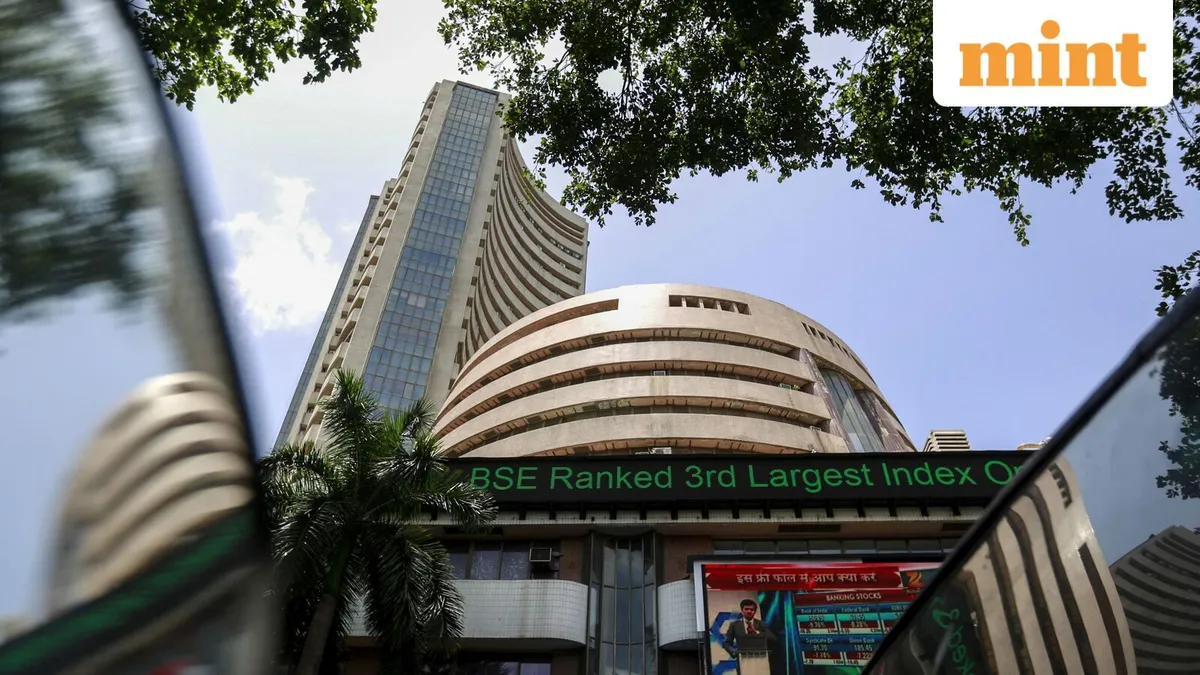
As the Nifty 50 struggles, the broader market is also feeling the strain. The 30-share S&P BSE Sensex fell to an eleven-month low of 77,566.16 points, reflecting a widespread downturn across major sectors. In fact, 15 of the 16 major sectors have reported losses during this market slump.
Market volatility has surged, with the India Volatility Index spiking to a twenty-one-month high. The Nifty 50 has closed the last three months in the red, with March alone seeing a decline of 4.57% so far.
Crude oil prices have risen nearly 30% to their highest levels since mid-2022, further complicating the economic landscape. India, which imports nearly 85% of its oil requirements, is particularly vulnerable to these price fluctuations.
Foreign institutional investors have also reacted to the instability, offloading ₹6,030 crore ($654 million) of local shares on a recent Friday. This trend underscores the growing concern over the impact of geopolitical tensions on market stability.
Vinod Nair from Geojit Investments noted, “Selling intensified as the Middle East conflict entered its second week with no signs of de-escalation.” This sentiment is echoed by Hitesh Tailor, who warned that if tensions continue to escalate, the Nifty 50 could extend its decline toward the 23,000–22,900 zone in the near term.
Despite the current challenges, Nair suggests that this phase may present opportunities for long-term investors. However, the sustained rise in crude prices is likely to complicate the Reserve Bank of India’s policy outlook, keeping inflation elevated and posing risks to growth.
As the situation develops, the exact impact of geopolitical tensions on future market performance remains unclear. Details remain unconfirmed.