How it unfolded
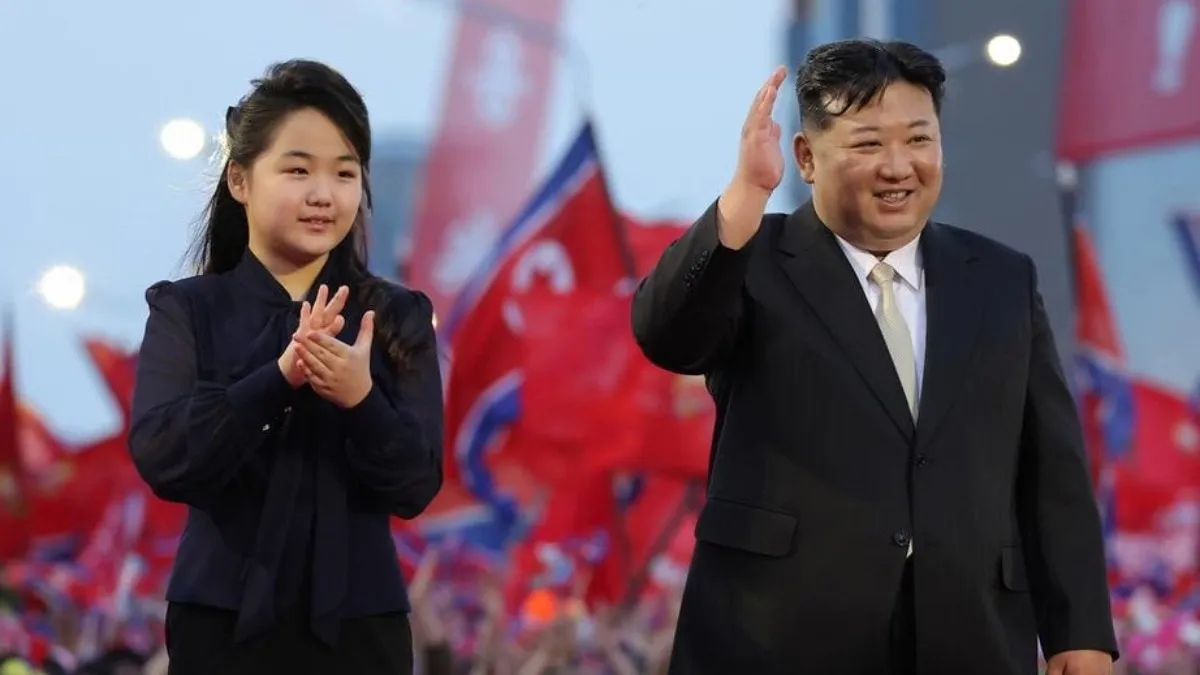
As North Korea approached its parliamentary elections on March 15, 2026, the political atmosphere was charged with anticipation. This election was particularly significant as it marked the first time since 1957 that dissenting votes would be acknowledged, a development that suggested a subtle shift in the rigid political landscape of the country. Kim Jong Un, who has been in power since 2011 following the death of his father, Kim Jong Il, was expected to secure a commanding victory.
On election day, reports indicated a staggering voter turnout of 99.99%, a figure that reflects the regime’s emphasis on participation in the electoral process. However, the reality of the electoral system in North Korea is that candidates are pre-selected by the ruling Workers’ Party of Korea, leaving voters with limited choices. In this context, Kim Jong Un received an overwhelming 99.93% of the votes, reinforcing his position as the country’s leader.
Despite the high percentage of support for Kim Jong Un, the election also saw a notable 0.07% of voters rejecting the official candidates. This acknowledgment of dissent, albeit minimal, is significant in the context of North Korean politics, where any form of opposition has historically been suppressed. The Supreme People’s Assembly, which consists of 687 representatives, serves as the legislative body, but its role is largely ceremonial under the current regime.
The election results also revealed that 0.0037% of registered voters were unable to cast their ballots due to being abroad or at sea, while an almost negligible 0.00003% abstained from voting altogether. These figures underscore the tightly controlled nature of the electoral process in North Korea, where the ruling party ensures that the outcome aligns with its expectations.
In the aftermath of the elections, the political landscape in North Korea remains largely unchanged, with Kim Jong Un’s leadership firmly intact. The acknowledgment of dissenting votes, however minimal, could indicate a potential shift in the regime’s approach to governance and public sentiment. It remains to be seen whether this will lead to any substantive changes in the political environment or if it is merely a symbolic gesture.
The implications of these elections extend beyond North Korea’s borders, as the international community closely monitors the country’s political developments. The overwhelming support for Kim Jong Un may reinforce his authority domestically, but the acknowledgment of dissent could also raise questions about the stability of his regime and the potential for future political reforms.
As North Korea continues to navigate its complex political landscape, the 2026 elections serve as a reminder of the intricate balance between control and public perception. While the results may appear overwhelmingly favorable for Kim Jong Un, the slight emergence of dissenting voices could signal a changing tide in the way North Koreans engage with their political system. Details remain unconfirmed regarding the long-term effects of this election on the country’s governance and its relationship with the outside world.